




Small and mid-sized manufacturers can be especially hard hit by sudden changes such as economic volatility, intense competitive pressure, seasonal demands or even an unexpected global crisis, like the current COVID-19 pandemic. When labour requirements increase or decrease drastically, having the ability to ramp up production when demand is high and remain sustainable during downtime is crucial.
For these companies, having a workforce supported by collaborative robots or cobots would be a dream come true. Made to be affordable and easy to program even for small batch production runs, cobots today are smart and agile tools for small medium and large companies to quickly adapt to fast-changing economic situations and labour demands.
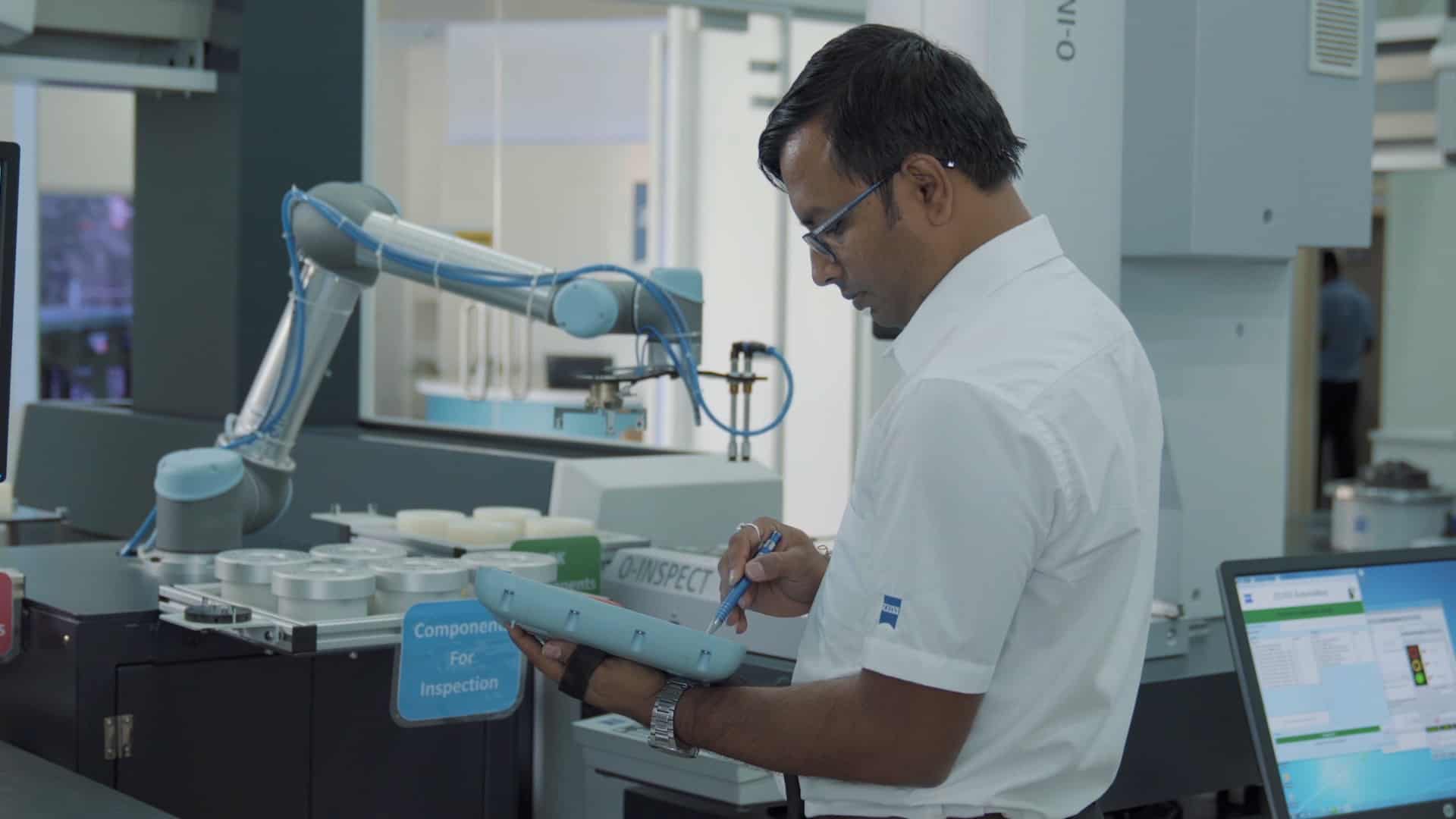
Unlike traditional robot automation which requires difficult programming, long set-up time, and takes up valuable space, cobots can be easily programmed by workers in the production line for simple tasks without expertise in robotics or programming.
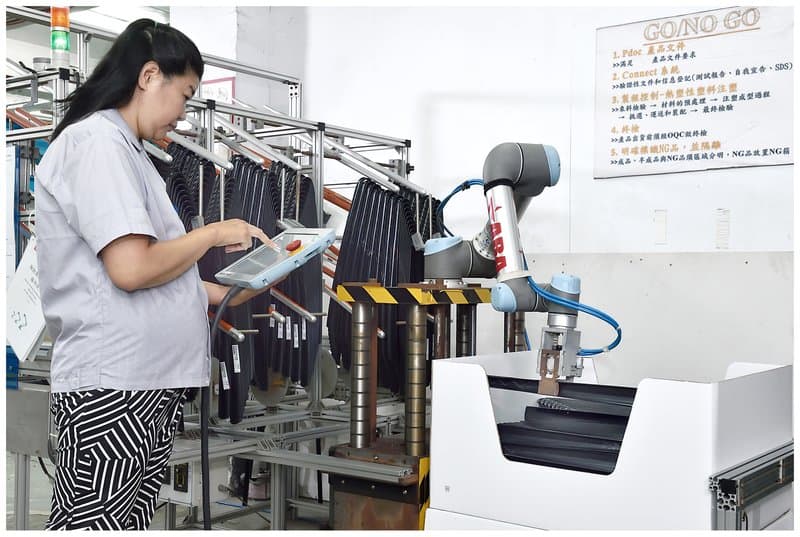
For more complex applications, certified system integrators and authorised training centres will guide the team through the initial installation, and workers handle the day-to-day operation afterwards. Cobots are also safe to be placed next to humans without the need for much space or a cage. A risk assessment by experts will be made prior to deploying without fencing, to ensure the placement complies with safety standards.
Cobots can be a game-changer for companies, especially for those preparing for the next phase of growth when the economy recovers. However, most small and mid-sized manufacturers, do not have an army of automation engineers to manage this process, hence what I hear most often is “How can I get started?”
Each company is, of course, different, but there are some key questions that manufacturers can ask themselves when considering where cobots can be put to work.
- Where are people waiting for part of a process to be completed?
Any time a person is standing around waiting for a process to be completed before they can move on to the next step, is time and money wasted. - What tasks are clearly too simple for people to be wasted on?
Think things like putting parts into a box, transferring parts from one line to another, inserting screws, or loading and unloading of a rotary indexing table. If a cobot can do it, why wouldn’t you give the person something more valuable to do? - What tasks can be unbundled or has many sub-tasks?
I’ve seen instances where the steps in a task are assembled into a start-to-finish model as a way to make the work less boring, but the fact is that a string of boring tasks is likely to still be boring. - Which employees are not smiling due to menial and repetitive tasks?
Finally, if a person’s expression or body language reflects boredom, frustration or apathy, it is a good bet that you are not taking advantage of the full potential they have to add real value to your process.
Higher productivity and job satisfaction with cobots
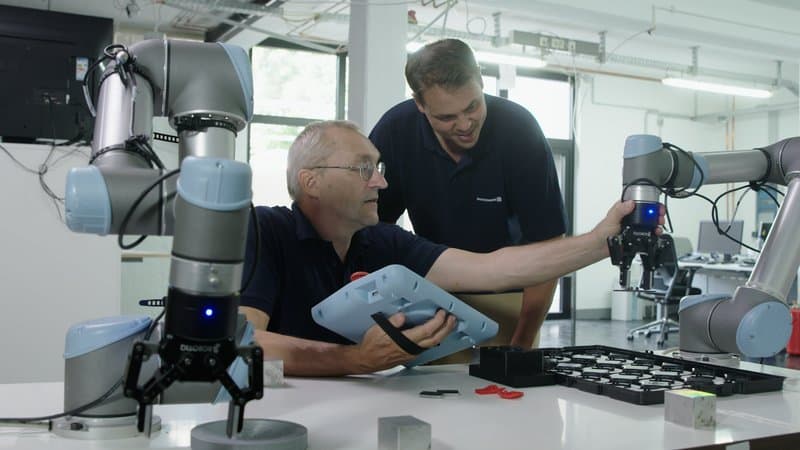
With cobots working alongside, workers can program cobots to handle repetitive and menial tasks which cause pain and strains on joints. This gives them the opportunity to progress to higher-value roles, improve their productivity and job satisfaction while reducing potential health problems at the same time.
Companies looking to increase productivity, improve quality, lower costs and have a better workplace for staff with the help of cobots, can start by walking through the production floor and observing employees at work, it reveals a lot about where automation with cobots is ideal and how to get started.