




Many would agree that Asia-Pacific is one of the most connected regions globally. From online gaming to cloud applications to mobile content, consumers are constantly accessing the internet, so the need for more connectivity isn’t going to slow down anytime soon.
If anything, it’s now growing faster than ever before, particularly as 5G takes hold – with Hong Kong’s HKT becoming the latest to roll out its 5G service, which will go live in April.
Advancements like this come at an important time. The rise in teleworking initiatives and trend for large organisations running virtual events – with both Microsoft and Apple’s developer conferences being recent instances – has added new requirement from a speed and capacity perspective. We’re on the peak of a record-setting digital deluge, and Asia-Pacific is going to be at the forefront of it.
There’s no doubt that changing online behaviour is shaping the telecom industry. But so is machine-to-machine traffic.
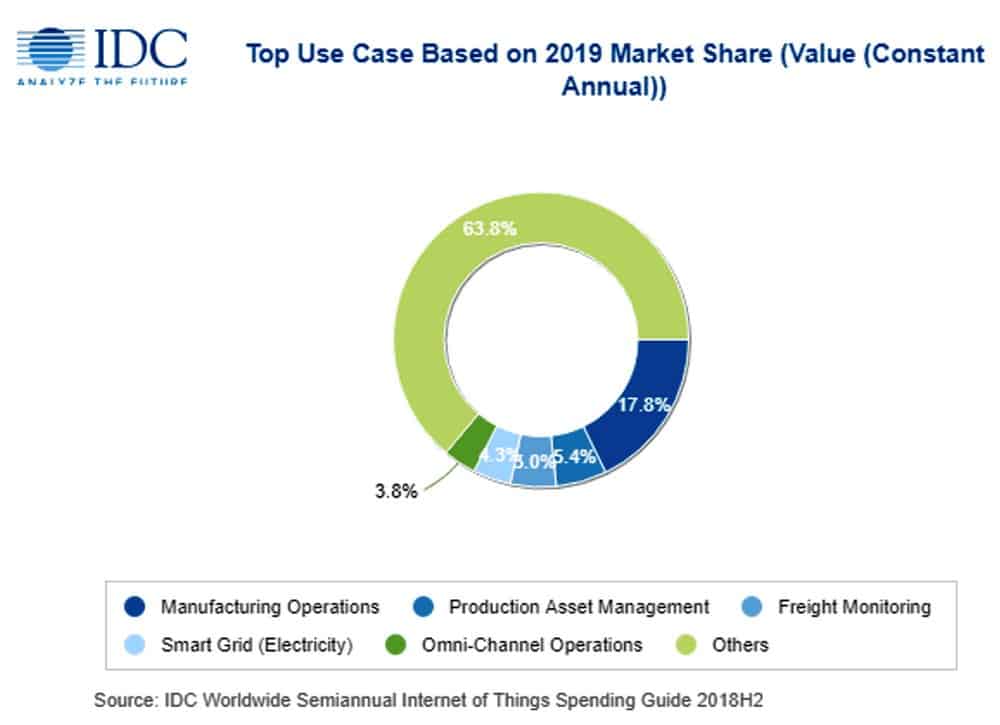
According to IDC, in addition to being one of the most connected regions, Asia-Pacific is also a global leader in IoT spending. Together, these developments have put renewed pressure on service providers to overhaul the design of their networks.
To meet the changing status quo from both enterprises and consumers, they’ll need to take an approach underpinned by four key themes: faster, smarter, safer, and closer.
Need for speed
Data demands are growing relentlessly. As new streaming platforms and large-scale IoT services launch, network operators will require more from their networks. That’s why more efficient, high-throughput programmable 800G optical solutions, that are capable of significantly driving down the cost per bit, are taking centre stage.
By pushing real-time transmission speeds to 800Gb/s for short reach DCI, 600Gb/s across 1000km, and 400Gb/s for ultra-long distances that enable high bandwidth 400GbE, 800G is what the industry needs to economically keep up with tomorrow’s data needs.
Get business smart
Traditionally, networks across Asia-Pacific have been built to be statically provisioned without much change over time. However, as demand grows – particularly in peak traffic areas – this will become unsustainable.
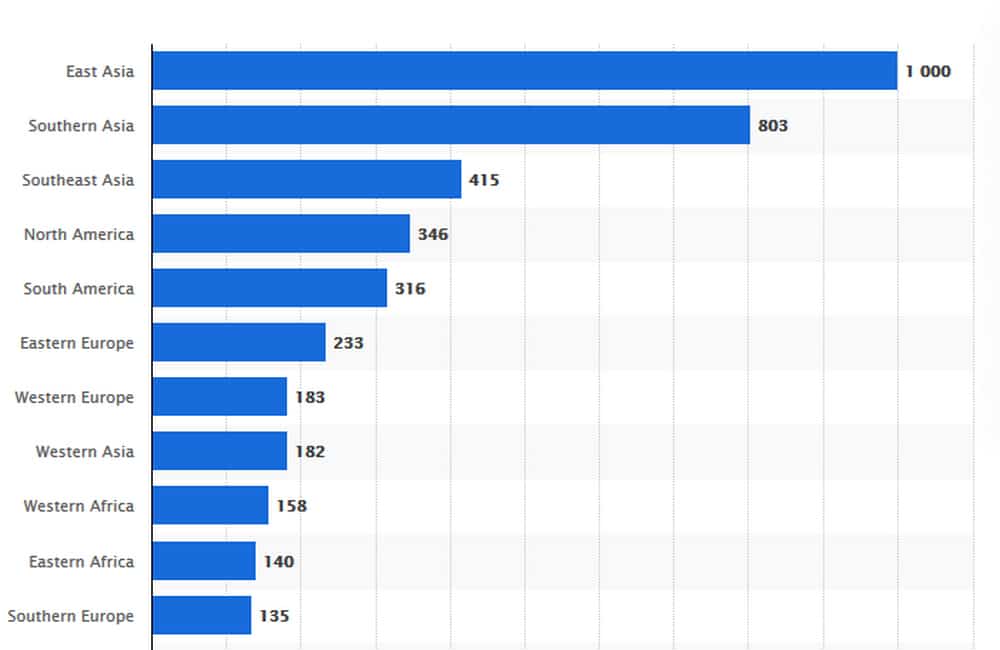
Since our region has the most internet users of any continent, according to Statista, network operators must take an even smarter approach, adopting the benefits of programable infrastructure to reallocate resources to where the network is strained.
The traditional way of building the IP layer will need to disappear. In its place, the industry will adopt a more open, programmable, and virtualized alternative, leveraging both virtual and physical resources.
Safety first
With Asia-Pacific an IoT front-runner, this creates a huge potential attack vector for underlying networks. Limiting that risk depends on the converging of Artificial Intelligence (AI) and automation which will underpin the next generation of networking.
AI-powered analytics can detect suspicious changes in real-time and flag security threats as they appear. Being able to predict what will happen next, and respond automatically, is key to self-optimizing and self-healing networks needed for the future.
Gaining these vital insights will ensure networks are protected from similar attacks and threat models thereafter.
Metro networks need rearchitecting
The ongoing rollout of 5G and deep fibre will drive rearchitected metro networks to help address demand. However, to take full advantage of the associated lower latency and higher throughput, edge computing will also need to become the norm.
For mission-critical IoT and other high bandwidth applications, this means time to cloud (transfer time from end device to cloud) must drop from ~50 milliseconds to 10 milliseconds.
Achieving those numbers will mean being as close to the edge as possible for faster processing and response, with certain cloud workflows processed locally. As the region’s population continues to surge, dense metro networks with strong edges are going to be crucial.
Meeting the connectivity needs of today’s increasingly digital-first Asia-Pacific will depend on service providers shifting away from a traditional focus on just making their networks bigger. In its place will be a more efficient approach to network design that is faster but also smarter, safer, and closer to the end-user.
With 5G approaching, IoT deployments growing in size, and emerging technologies such as edge computing and AI steadily rising in adoption, now is the time for service providers to prepare their networks for what’s coming next.