




Manuel Roman, head of consumer marketing at Google Spain, says digital assistants will become a much bigger engagement touchpoint for customers in 2021. He goes on to predict that by next year 1.6 billion people will use voice assistants on a regular basis.
Frost & Sullivan concurs albeit more specifically on the application of digital assistants as human-machine interface (HMI) in creating new opportunities in what it labels in-vehicle engagement services.
Frost says digital assistants offer a smart and intuitive way to operate features in the vehicle and assure minimum driver distraction. Presently, their capabilities are targeted at systems that deliver navigation and entertainment services in cars to enhance users’ multimedia experience; however, future use-cases will focus on the safety and security of the vehicle and the driver.

“With the rising popularity of connected services such as traffic information and local search, digital assistants have become a key differentiator for original equipment manufacturers (OEMs). OEM-branded digital assistants will help automakers strengthen their brand and convert one-time sales into continual service-centric relationships,” said Anubhav Grover, research analyst, Mobility.
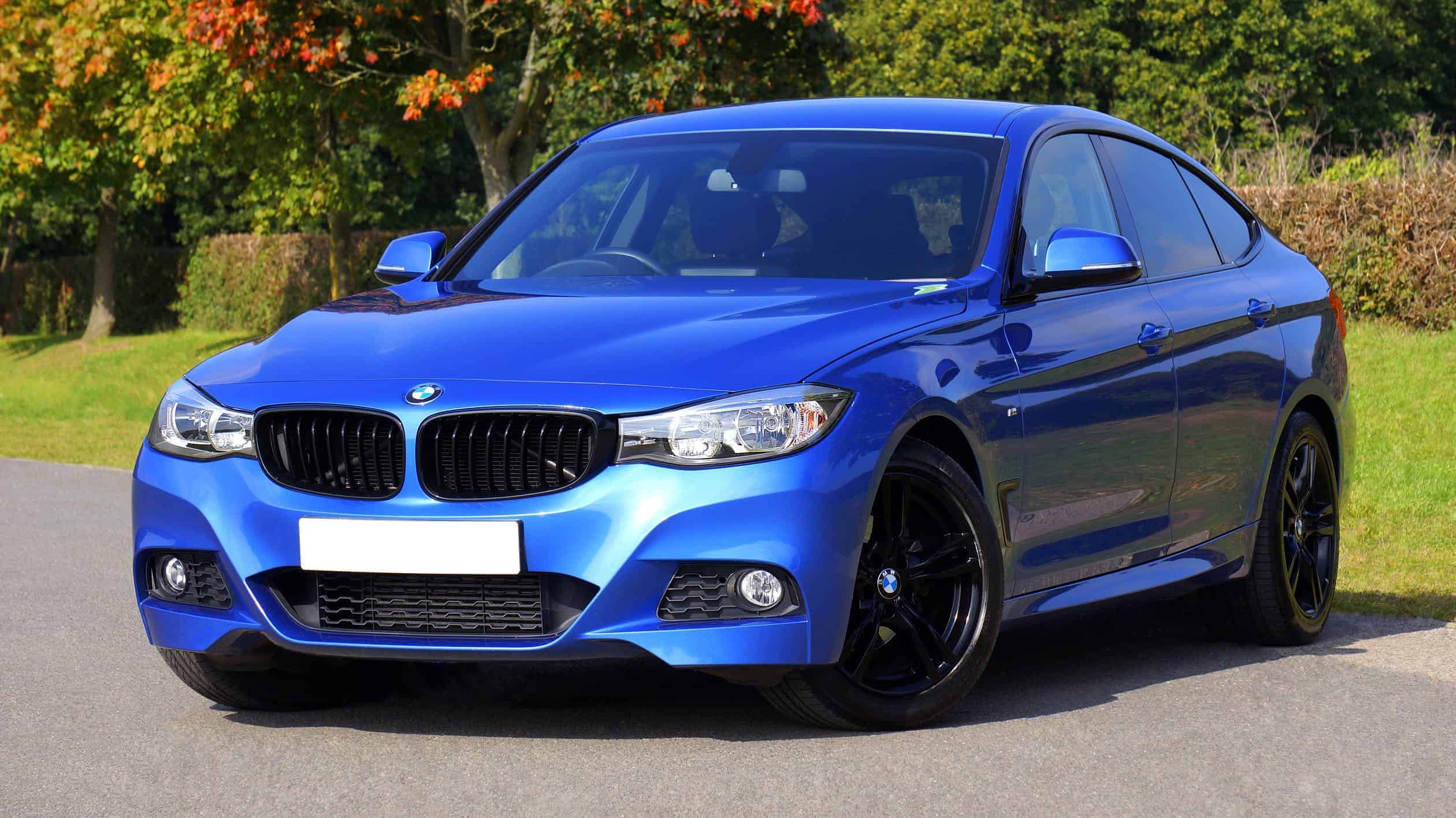
He noted that the famous brands are themselves working to create their own branded digital assistants that will co-exist and integrate with third-party and tech-branded digital assistants. He cited BMW’s own Intelligent Personal Assistant (IPA) using Alexa to access Amazon‘s e-commerce and Cortana for Microsoft Office.
FutureIoT spoke further with Grover to expound on the innovation and the trends that will drive the technology.
What will be the primary applications of digital assistants in the automotive industry?
Anubhav Grover: Digital assistants will evolve from offering entertainment features to carrying out safety functions. Digital assistants have so far helped drivers manage in-car features, provided navigation-based voice alerts, or handled SMS/phone calls.
With the incorporation of advanced technologies, such as Artificial Intelligence (AI) and natural language processing (NLP), the functionality of these digital assistants has expanded manifold. Recently launched digital assistants can identify nearby points of interest or seeking support during emergencies or scheduling service appointments.
By connecting with cloud content and services, digital assistants engage in unique, highly-tailored interaction with the passengers in a vehicle. The primary focus of a future digital assistant would be to serve as a smart companion for drivers.
Given that autonomous driving (on public roads) is still years away, do you expect limited usage of digital assistants in the interim?
Anubhav Grover: Even before the advent of autonomous vehicles, digital assistants will offer an immersive digital experience to vehicle occupants. Though the demand for digital assistants is high across industries, in the next 5 years, the uptake will be significant as they become an essential part of the inside of a vehicle.
This growth will be driven by ongoing improvements and expansion of digital assistant capabilities.
An AI-based digital assistant will serve as a precursor to fully autonomous driving, where it will not just engage with the interior/exterior environment but also synchronize automated driving features with voice-based in-vehicle controls.
For instance, in the short term, these digital assistants will warn of collision, and in the long term, they will become capable of controlling a vehicle’s steering system.
What remains the biggest roadblock to deployment of digital assistants in the auto industry?
Anubhav Grover: Privacy and data protection are top-of-mind concerns. There have been recent reports of data violation by mainstream technology participant through home speakers.
Another area of worry comes from the level of access to voice recordings and data that can be gathered from users. These privacy issues have existed in the automotive world as well.
A consumer research project by Frost & Sullivan found that 49% of car users prefer digital assistant provided as an in-car feature. However, the rest of the respondents were concerned about eavesdropping and access to personal information. The onus is on automakers and digital assistant developers to mitigate privacy apprehensions and reassure users that digital assistants in vehicles are a helpful feature.