




Earlier in November, I was invited to speak at the Hotel Management Indonesia (HMI) Summit in Jakarta. I, along with representatives from a delegation of tech companies, was there to talk about a modern problem faced by the hotel industry – how hotels now need to undergo digital transformation to improve their operational productivity.
This year has been a mixed bag for hotel operators in Asia. Although tourist arrivals grew, shaky economic headwinds and heightened competition from alternative accommodation options have affected room occupancy rates. Indonesia is feeling the full effects of this slowdown; facing immense pressure on rates and margin compression (especially with uncertainties surrounding enterprise activities of business travellers to cities).
Although the term ‘disruption’ has been bandied about quite a bit, for hotels it is a real challenge that they need to overcome. Therefore, the call for digital innovation needs to be heeded, however, we need to figure out the best ways on how we can actually implement it – for the benefit of both guests and hotel operators.
Raising appeal to guests
At the surface level, hotels will be more profitable if they can get more people booking their rooms. Hence, we have seen many strategies on digital channels aiming to catch the attention of guests on overly saturated online booking platforms across various devices. This is especially since most tourists are making decisions based on what they see on their social channels. In Indonesia, over two-thirds of people book through their smartphones and half of them will get frustrated if bookings can’t be accessed digitally.
Yet, this is just one part of digital transformation; hotel operators need to go deeper to instil innovation and technology to not only attract guests but to also advance hotel management and staff productivity throughout all touchpoints of the guests’ stay.
AI on arrival
Digital transformation can happen even at the stage before guests even arrive. Once they touch down in a location, a smart, digital hotel should make it easy for guests to notify the hotel through online means or via a mobile app, triggering a series of automated operations that helps staff prepare for their arrival.
This may include a room management and maintenance system alerting and blocking off rooms with potentially faulty equipment, as well as using artificial intelligence (AI) to assign guests to clean and available rooms and activating the A/C for pre-cooling to ensure maximum comfort as soon as guests enter the room.
Applying these would go a long way to raise satisfaction levels, especially as the guests’ entire staying experience will be impacted if they aren’t able to check-in immediately or, even worse, if they are assigned a room with faulty amenities. However, what this does for the hotel’s staff is minimising manual and repetitive work during check-ins.
By reducing the workload and the associated stress during check-in, the staff can then provide more value for the guests by diverting their focus on warmer interactions and being able to cater to additional service requests.
Going digital for ease of stay
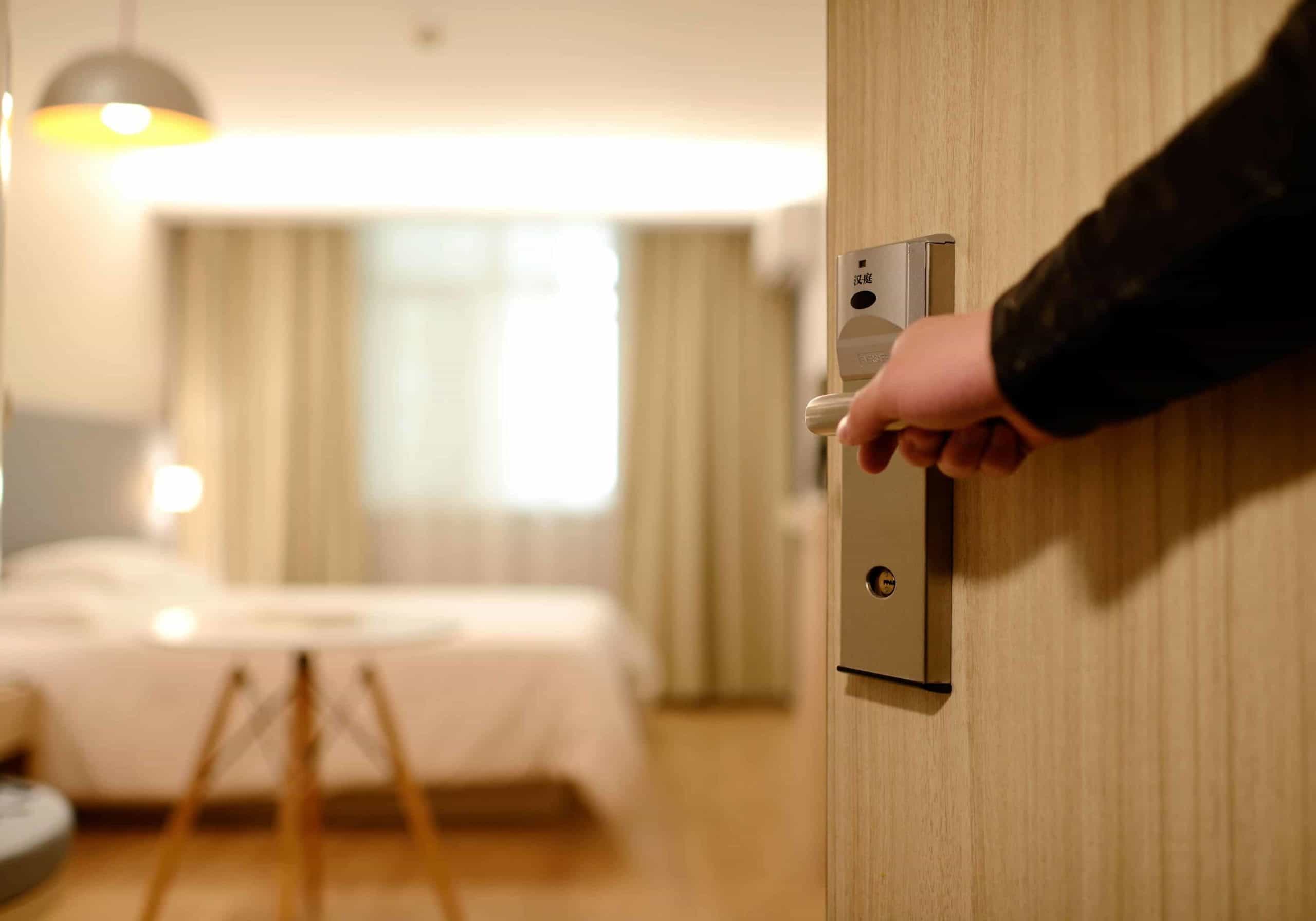
When the guests enter the room and throughout their stay, a digital hotel would employ occupancy sensors that can detect the guests’ entry or exit and trigger automatic notifications (i.e. enquiries if everything’s in order and if they have further requests or prompting guests if they require housekeeping services) via mobile or personal devices. This benefits staff in two ways.
Firstly, live occupancy data can help hotels optimise housekeeping routes and efficiency. Secondly, it also helps to prevent staff from accidentally disturbing guests who are still in the room and who simply forgot to put up “Do not disturb” signs.
Additionally, a digital hotel experience should offer guests the option to access room services or contact staff with their personal devices; especially if there are any issues with the room or its amenities. Ideally, this should allow for remote monitoring or control, so that if guests need help with operating them, then staff can quickly assist them even from the front desk.
With these electronic communication platforms and integrations in place, relevant front- and back-end staff can easily communicate with guests and address their service needs. On top of that, remotely controlled in-room devices like the A/C or TV will help staff easily check for problems remotely and greatly increase their response time to guest issues; improving their overall efficiency and productivity.
Overcoming barriers to digital transformation
These are just some examples of how hotels can use technology to both raise the guest experience while reducing operational burdens. Yet, hotels may be apprehensive towards digital transformation due to perceptions that such an endeavour would be highly risky (likely due to the lack of familiarity about the availability and implementation of digital innovations) as well as the high upfront costs and manual implementation work that could disturb guests.
However, the examples I mentioned do not carry all these risks, and the key here is the Internet of Things (IoT) technology. With IoT, implementation and integration are typically done via smart devices; for instance, a thermostat or an energy meter that’s connected to the internet which can measure and monitor key parameters (like temperature, humidity or energy consumption) to give management a better understanding of what’s going in different parts of a complex hotel operation.
Additionally, IoT-enabled solutions are easy to retrofit and install, resulting in a much lower upfront cost and minimal disruption to operations. This gives hotels a faster return on investments, and quicker installation time than traditional wired building automation solutions – making adoption extremely easy.
Also, because retrofitting is simple, hotels can deploy these devices throughout all operations and obtain data at scale; i.e. Big Data, which helps identify critical patterns and insights on how the hotel is using resources so that they can manage operations, resources and manpower more effectively.
With digital automation, hotels can effortlessly take care of menial repetitive tasks and even perform them more efficiently. Not only would this help make staff’s lives easier, but it also frees up their time so that they can go for value-added training and improve the level of services they can offer to their guests. IoT, big data and automation are thus critical keys to redefining the hotel industry, that can pave the way towards improving guest experience, staff management and sustainable business growth in the long run.