This 2026 environmental sustainability is set to undergo a significant transformation, shifting from performative messaging to genuine efforts that yield measurable returns.
Forrester predicts that organisations that view sustainability as merely a branding exercise will find it increasingly difficult to justify their budgets. In contrast, those integrating sustainable practices into their core business values will differentiate themselves and drive growth.
“We are seeing a rise in prominence of the chief operating officer’s role in sustainability.” Abhijit Sunil, senior analyst at Forrester. “In fact, the Chief Sustainability Officer is working more closely with other functions than ever before, and this was a common theme at NY Climate Week.
Abhijit Sunil
“One leader told me about the future of the CSO role: in an ideal future, the CSO should not exist. All the sustainability KPIs should be integrated into other functions, including the COOs.” Abhijit Sunil
Sunil emphasised that COOs can play a crucial role in driving efficiency and optimisation, leading to significant sustainability outcomes.
“The vast majority of decarbonisation levers for various industries are operational. Putting together the right processes, finding the right efficiency levers, and budgeting for optimisation efforts can all lead to the COO being a strategic partner for the CSO,” he added.
Forrester’s analysis highlights key trends that COOs and heads of sustainability in Asia should monitor closely. One notable trend is the predicted investment of over $2 billion in small modular nuclear reactors (SMRs) by hyperscale tech companies like Google, AWS, and Microsoft.
As these companies look to meet the growing energy demands of AI applications, they are expected to own and operate nuclear assets within microgrids. This shift presents a strategic opportunity for organisations to enhance energy resilience and cost efficiencies in data centres.
Another critical insight is the anticipated exposure of three Fortune 1000 companies for erroneous sustainability reporting. With regulatory scrutiny increasing, organisations lacking robust data governance frameworks will face significant reputational risks. Sustainability leaders must invest in comprehensive governance structures to ensure compliance and maintain stakeholder trust.
Moreover, the climate risk analytics market is projected to double, driven by new regulations such as California’s SB 253 and SB 261, which mandate public disclosures of greenhouse gas emissions. This regulatory landscape aligns with global frameworks in the EU, UK, Hong Kong, and Australia, making it imperative for organisations to adopt climate risk analytics tools.
Forrester also forecasts a surge in green jobs, with an increase from 66 million to 84 million workers across 14 countries by 2030. Almost half of these jobs will emerge in agriculture and renewable energy sectors, primarily fueled by the economic growth in China and India.
As the era of authenticity in sustainability unfolds, COOs and sustainability leaders in Asia must strengthen their internal governance, invest in the right software solutions, and form strategic partnerships to thrive in this evolving landscape.
As environmental sustainability enters a new era of authenticity, the role of the Chief Operating Officer (COO) is becoming increasingly pivotal in aligning organisational strategies with genuine ESG (Environmental, Social, and Governance) goals.
According to Forrester’s 2026 Predictions for Environmental Sustainability, enterprises that treat sustainability as a mere branding exercise will struggle to justify their budgets, while those embedding these values into their core operations will thrive.
In this evolving landscape, COOs are uniquely positioned to drive these authentic sustainability efforts. By integrating ESG principles into everyday business practices, they can ensure that sustainability is not only a checkbox but a fundamental aspect of the organisational culture.
Forrester senior analyst and lead author of the report, Abhijit Sunil, emphasises this shift: “Organisations that treated sustainability as a marketing exercise will no longer be able to justify their budgets as urgent, short-term demands take precedence.
“Instead, those that root their environmental sustainability efforts into core organisational values will grow their budgets and create competitive advantages.” Abhijit Sunil
Forrester predicts that major tech companies, referred to as hyperscalers, will invest more than $2 billion in small modular nuclear reactors (SMRs) by 2026.
As COOs plan for energy resilience and operational efficiency, they must consider how to leverage these investments. This involves not just adopting new technologies but also forging strategic partnerships that align with their sustainability goals.
Moreover, the report highlights the increasing scrutiny on sustainability reporting. By 2026, three Fortune 1000 companies are expected to face exposure for erroneous sustainability claims due to a lack of robust data governance frameworks. Here, the COO’s role in overseeing data integrity becomes crucial.
“Sustainability leaders must invest in robust governance to avoid compliance failures and reputational damage,” Sunil advises. This requires COOs to foster collaboration across departments, ensuring that sustainability metrics are accurately tracked and reported.
Additionally, the climate risk analytics market is set to double, driven by new regulations requiring public disclosures of greenhouse gas emissions. COOs must prioritise investment in climate risk analytics software to meet these requirements and build investor trust.
In a rapidly changing regulatory environment, COOs who proactively embed sustainability into their operational frameworks will not only enhance their organisations’ reputations but also drive tangible business results.
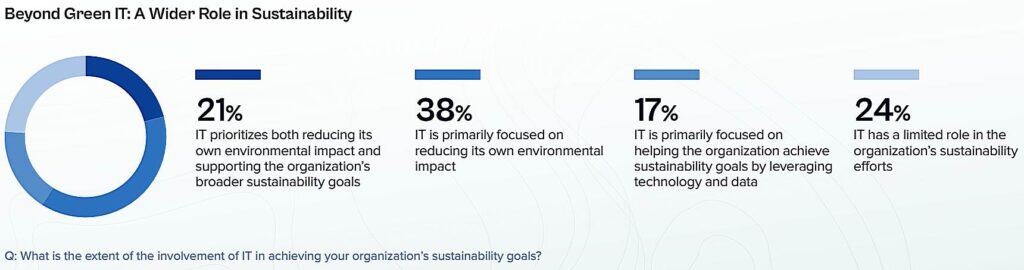
The Kyndryl-Microsoft report, From Insights to Action: The Technology Impact of Sustainability, reveals that in Malaysia only 35% are actually leveraging it to its full potential. This despite majority acknowledge the role of technology in achieving sustainability goals.
Source: Sustainability Barometer, 2024
The study shows that 83% of Malaysian businesses recognise technology’s strategic importance in their sustainability efforts. However, the role of IT departments often remains limited to reducing their own environmental impact rather than driving broader sustainability initiatives.
Effendi Azmi Hashim, country managing director of Kyndryl Malaysia and Indonesia, emphasised the need for organisations to shift from merely expressing intent to implementing data-driven action plans. “As the world faces increasing climate-related challenges, businesses are under pressure to act decisively,” he added.
Regulatory compliance appears to be the primary driver for sustainability initiatives in Malaysia, cited by 42% of organisations. Despite this, progress has been inconsistent. While 45% of businesses reported that they maintained or accelerated their sustainability efforts between 2023 and 2024, others have slowed down due to shifting priorities and stakeholder pressures.
The study also highlights that sustainability strategies vary widely among companies. While 57% of organisations claim to have embedded sustainability into their operations, only 13% have adopted data-driven approaches. A mere 4% consider sustainability a strategic asset, integrating data into their planning and decision-making processes.
Barriers to effective sustainability practices include difficulties in reporting progress, lack of leadership buy-in, and high costs. Notably, 45% of respondents identified the collection of external data as a major challenge. Despite 92% of organisations collecting sustainability-related data, only 20% effectively use this information to track and optimise their performance.
The report indicates that while 60% of organisations are utilising AI or automation to enhance efficiency and reduce environmental impact, 68% do not consider the environmental footprint of AI itself. This raises concerns about the overall sustainability of technology initiatives.
As Malaysia seeks to enhance its sustainability efforts, the study outlines several guiding principles. These include integrating technology into strategic planning, reevaluating the role of AI in sustainability, responding to stakeholder demands, and fostering a culture of collective responsibility across departments.
It wasn’t just the COVID-19 pandemic that the cement industry in India had to deal with in the past four years, starting in March 2020 when most governments across the world ordered lockdowns. Russia’s invasion of Ukraine in February 2022 also dealt a major blow.
The spread of the coronavirus slowed economic activity, disrupted the supply chains, restricted travel and people movement, and impacted people’s health and well-being, which are inimical to any industry.
But the Russia-Ukraine conflict choked off the commodities supply it imports from the two countries including coal, oil, natural gas, and nuclear fuel, bringing energy prices to the roof.
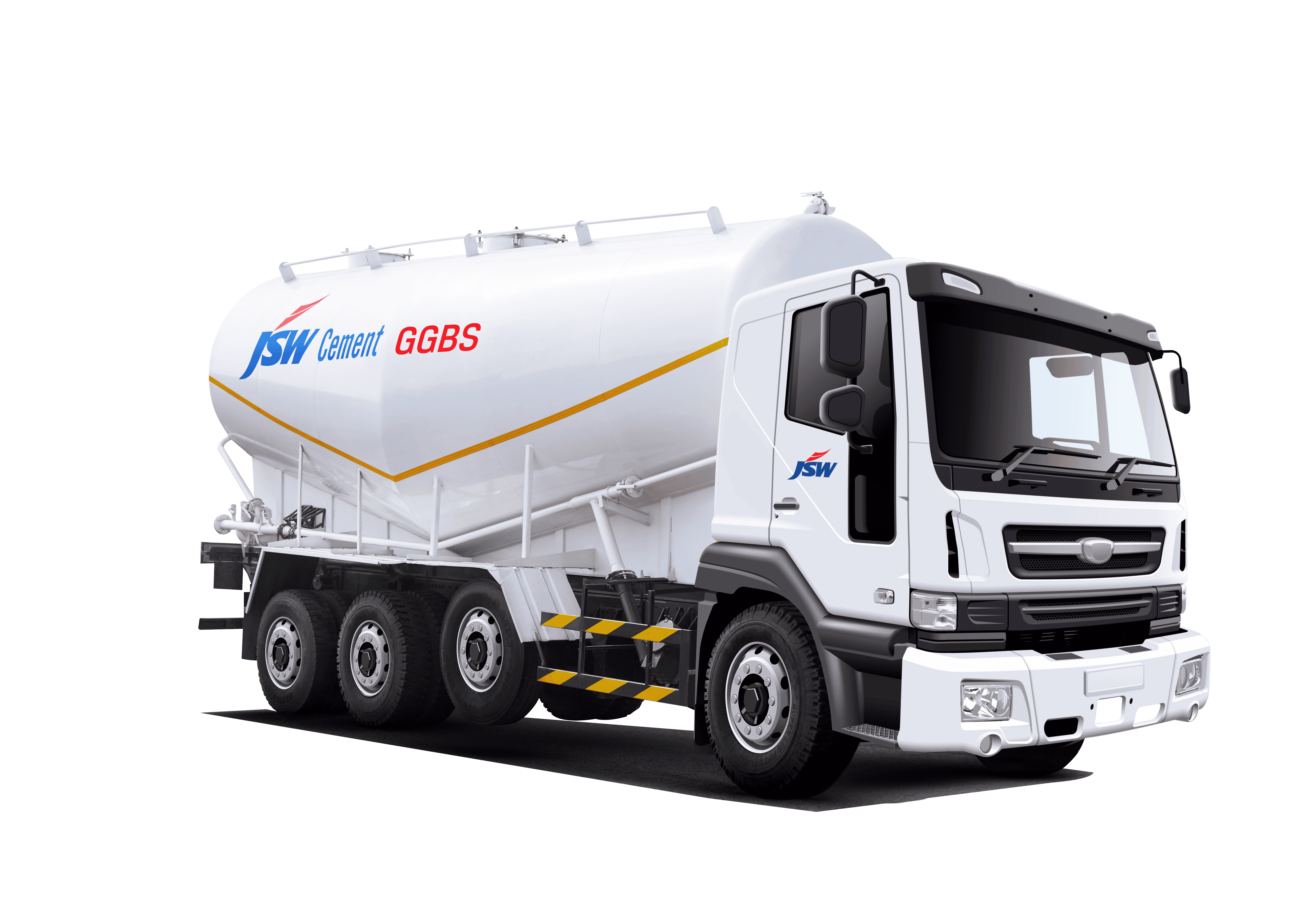
For JSW Cement, a conglomerate involved in the businesses of steel, cement, energy, and infrastructure, the one-two punch is an opportunity. It has accelerated the company’s shift to renewable energy.
“The cement industry is material and energy intensive. I would say that [in cement manufacturing] maybe 40% to 50% of the cost was towards energy. With the energy crisis, there is pressure to move from coal to alternative fuels that are locally available, and which are waste from other industries,” said Manoj Rustagi, the company’s chief sustainability and innovation officer.
These alternatives include municipal waste, refuse-derived fuel (RDF), pharmaceutical waste, waste from the tar industry, and master limited partnership (MLP), according to Rustaqi.
“We have accelerated the transition and the idea is to be using 8% to 10% of the alternative fuel, but this should go up to 30% to 40% in the next six to seven years.” Manoj Rustagi
Greening the business
JSW Cement is part of the diversified US$23 billion JSW Group, which is among the largest steel manufacturing companies in India with 30 million metric tons (MT) of production capacity. Its cement business, JSW Cement, which was founded in 2009, has a production capacity of around 19 MT. The goal is to bring cement production to roughly 50MT by 2030, according to Rustagi.
JSW Cement’s sustainability officer said the company has a unique model that aligns very well with the principles of Environmental, Social, and Governance (ESG) and sustainability.
“Within steel manufacturing, we have got a base that is generated which is called blast-furnace slag. For every 1 ton of steel, approximately 400 kg of this blast-furnace slag is generated. In 2009, we realised that there was a technology that would allow us to use that waste material (ground granulated blast-furnace slag) to make slag cement and create value out of it. That’s how JSW Cement was born,” Rustagi shared.
JSW Portland Slag cement today is a blended cement, wherein some portion of ordinary Portland cement is replaced with GGBS, according to its website. The substation with slag results in a lower clinker factor; hence, the global warming potential of the product is found to be one of the lowest in the industry, the company said.
Rustagi shared that the company has started quantifying data and measuring its carbon footprint, validating it and aligning it to the global frameworks.
“The journey in the last three years has been very exciting for us. it validates the business model. The whole concept of ESG and sustainability globally is evolving because there is a fear of climate change and climate catastrophe,” Rustagi said.
In support of nation-building
Indian Prime Minister Narendra Modi pledged that India would cut its emissions target to net zero by 2070 at the 26th Conference of Parties (COP) to the United Nations Framework Convention on Climate Change (UNFCCC) held in Glasgow, Scotland, in November 2021.
Earlier in March, the Indian parliament passed a law establishing a national development finance institution that aims to have a lending portfolio of at least 5 trillion rupees in three years for infrastructure development.
These twin developments put JSW Cement into the heart of India’s infrastructure and climate push. The company has been ramping up its sustainability and innovation strategies since then.
In June 2021, it expanded its green product offering to include a new line of construction chemicals, including ready mix plaster, crystalline waterproofing compound, and floor hardener. It also launched a ready-mix concrete business under the brand name JSW Concrete, which includes eco-friendly variants for infrastructure projects.
“The idea is to have a portfolio of the products, which is for the construction companies and the contractors for their construction requirements,” Rustagi said. “Innovation goes very well with the sustainability agenda”
Within innovation, he said JSW Cement is looking to develop more sustainable products, [such as] new low-carbon cement and concrete. “The opportunity today, and specifically in India, which is a developing country, is the infrastructure that is getting built now,” he said.
In its most recent annual report, JSW Cement Chairman Nirmal Kumar Jain reiterated the company’s commitment to decarbonise its operations, contribute to the circular economy, and cater to the emerging demand for sustainable building materials.
Meanwhile, CEO Nilesh Narwekar said that while 2021 and 2022 continued to be another year of resilience as disruptions continued, the company had achieved Specific Net CO2 emissions intensity of 216 kg CO2 per ton of cementitious material during fiscal year 2020 and 2021, which is ~1/3 of the world average and ~38% of India average.
“This showcases our unwavering commitment towards decarbonising our operations. Around 88% of our product portfolio is blended cement and cementitious products.” Nilesh Narwekar
Moving on, embracing change
The World Health Organization reported that from January 2020 to August 2023, there have been over 44.9 confirmed COVID-19 cases with over 5.3 million deaths in India. The world is moving on and embracing change. While geopolitical tensions remain and the Russia-Ukraine conflict is far from resolved, industries have developed resilience amid several crises. “We live in a dynamic world and embracing change is important,” Rustagi said.
* Editor’s notes: This article is part of the Cxociety Coffee Table Book project (The Project) which chronicles the journey and experiences of senior business, operations, finance and technology leaders in Asia in recent years. The Project illustrates the tenacity, ingenuity and resiliency of the human spirit in the face of seemingly endless challenges.
With nearly 50 stories chronicled in The Project, it is a must-read compendium of learnings and experiences from seasoned professionals in the region.
The engineering sector stands at a pivotal crossroads as we advance towards 2025. With the dual challenges of climate change and sustainability pressing upon us, integrating Environmental, Social, and Governance (ESG) principles into engineering practices is no longer optional but essential.
As organizations in Asia and beyond navigate this complex landscape, the focus must shift towards creating resilient infrastructures that meet present demands and safeguard future generations.
The call for measurable impact
Rodrigo Fernandes, director of ES(D)G at Bentley Systems, emphasises the significance of robust metrics in sustainability. “More and more metrics are important in sustainability,” he notes, highlighting carbon footprint as a critical measure.
Adopting clear metrics is vital in Asia, where rapid urbanisation and industrial growth pose significant environmental challenges. Companies must ensure their targets are ambitious and transparent to stakeholders, fostering trust and accountability.
Bentley’s engagement with the Science Based Targets initiative (SBTi) exemplifies this commitment. By aligning their targets with the latest climate science, organisations can set a benchmark for corporate emission reductions. The SBTi’s Net-Zero Standard serves as a roadmap for firms aspiring to limit global warming to 1.5 degrees Celsius, making it imperative for Asian engineering firms to adopt similar frameworks. This approach helps quantify impacts and positions companies as leaders in sustainability, attracting investors and clients who prioritise environmental responsibility.
Embracing opportunities beyond risks
Angela Curry, VP and chief compliance officer at Bentley Systems, articulates a vital perspective: “We need to see sustainability as an opportunity.” This mindset encourages engineering firms to mitigate risks associated with climate change and seize the opportunities that arise from innovative practices. For instance, the rise of digital twins in infrastructure projects allows for enhanced simulations and efficiency, optimising resource use and reducing waste.
Digital twins are virtual representations of physical assets, enabling engineers to model, simulate, and analyse projects throughout their lifecycle. This technology aids in identifying potential issues before they arise, reducing the likelihood of costly delays and resource wastage.
As Asian cities grapple with issues like traffic congestion and inadequate infrastructure, digital twins can provide crucial insights into improving urban planning and resource allocation.
Moreover, by embracing a proactive approach to innovation, firms can transform sustainability from a regulatory obligation into a competitive advantage. For example, companies that invest in renewable energy technologies reduce their carbon footprint and position themselves as forward-thinking leaders in their field.
By aligning their business strategies with sustainability goals, engineering firms can tap into new markets and drive growth.
Collaboration: The key to success
The importance of partnerships in addressing sustainability challenges cannot be overstated. As Fernandes points out, “No one alone will be able to take on some of the challenges we have today.”
The engineering sector must foster collaboration across the supply chain to effectively manage scope 3 emissions and implement sustainable practices. Scope 3 emissions—indirect emissions in a company’s value chain—are often the largest source of a firm’s carbon footprint, making their management crucial for comprehensive sustainability efforts.
Bentley’s commitment to open-source platforms facilitates this collaboration, enabling data sharing and innovation. By working with suppliers, clients, and regulatory bodies, engineering firms can create a more cohesive approach to sustainability. Collaborative efforts can lead to developing shared resources, tools, and best practices that can be leveraged across the industry.
Collaboration is essential for creating tailored solutions in Asia, where many regions experience diverse environmental challenges. By forming partnerships with local governments, NGOs, and community organisations, engineering firms can better understand the unique needs of the regions they serve. This localised approach enhances project outcomes, strengthens community ties, and fosters goodwill among stakeholders.
Circularity is a fundamental principle.
Circularity must be at the forefront of engineering design. Companies can significantly reduce their environmental impact by prioritising durable materials and long-term efficiency from the outset. Fernandes believes that circularity is a fundamental concept of sustainability right now.
The circular economy model minimises waste and maximises resources by reusing, repairing, and recycling materials.
In infrastructure projects, this means designing with the end of a product’s life in mind. For instance, when constructing buildings, engineers can use materials that are easily recyclable or can be repurposed for future projects.
The example of wastewater treatment projects in the Philippines illustrates how innovative approaches can lead to resource reuse and enhanced resilience in water supply systems. By treating and reusing wastewater, these projects conserve precious water resources and reduce pollution and environmental degradation.
The transition towards circularity also requires a cultural shift within organisations. Engineering firms must foster a mindset prioritising sustainability in every aspect of their operations—from design to procurement to project execution.
This can be achieved through training and development programs that emphasise the importance of circularity and its benefits for both the environment and the business.
Future-proofing through regulations
As sustainability regulations evolve globally, engineering firms in Asia must stay ahead. “We cannot expect anything else than more regulations coming up on sustainability,” warns Fernandes.
Companies must view these regulations as a catalyst for innovation rather than mere compliance. Bentley’s proactive stance on carbon analysis exemplifies how firms can go beyond regulatory requirements to lead in sustainable practices.
With governments and consumers scrutinising organisations more closely, they must establish robust compliance frameworks that meet existing regulations and anticipate future requirements. This forward-thinking approach will mitigate the risk of non-compliance and enhance a company’s reputation as a leader in sustainability.
Furthermore, as regulations become more stringent, the emphasis on transparency and accountability will grow. Engineering firms must be ready to disclose their sustainability practices and outcomes, aligning with stakeholder expectations. By fostering a culture of transparency, organisations can build trust with consumers and investors, ultimately driving long-term success.
Technology in sustainable infrastructure
Technological advancements play a crucial role in driving sustainability in the engineering sector. By leveraging digital twins, firms can conduct real-time simulations that inform decision-making throughout the project lifecycle.
“Digital twins can support multiple lifecycle stages,” Fernandes explains, enabling better project delivery and management. These technologies enhance operational efficiencies and contribute to overall sustainability goals.
The integration of Internet of Things (IoT) devices further enhances the capabilities of digital twins. IoT sensors can provide real-time data on asset performance, allowing engineers to identify inefficiencies and address issues proactively. For example, in water management systems, IoT devices can monitor flow rates and detect leaks, significantly reducing water loss and improving service delivery.
Additionally, applying artificial intelligence (AI) in project planning and execution can lead to smarter, more sustainable decisions. AI algorithms can analyse vast amounts of data to identify patterns and optimise processes, from resource allocation to energy consumption.
This data-driven approach ensures that engineering firms can make informed choices that align with their sustainability objectives.
A collective journey towards sustainability
The path to a sustainable future is a collective journey that requires commitment, innovation, and collaboration. As we move towards 2025, the engineering sector must embrace ESG principles to not only thrive but also ensure a habitable planet for future generations.
As Curry asserts, “Our net-zero journey will make our operations more sustainable, benefiting our users in reducing their value chain emissions.”
In this evolving landscape, the time to act is now. Engineering firms prioritising sustainability will enhance their operational efficiencies and contribute to a more resilient and sustainable future.
By leveraging technology, fostering collaboration, and embracing circularity, the engineering sector can lead the charge towards a sustainable world, ensuring that generations to come inherit an environment that is liveable and thriving.
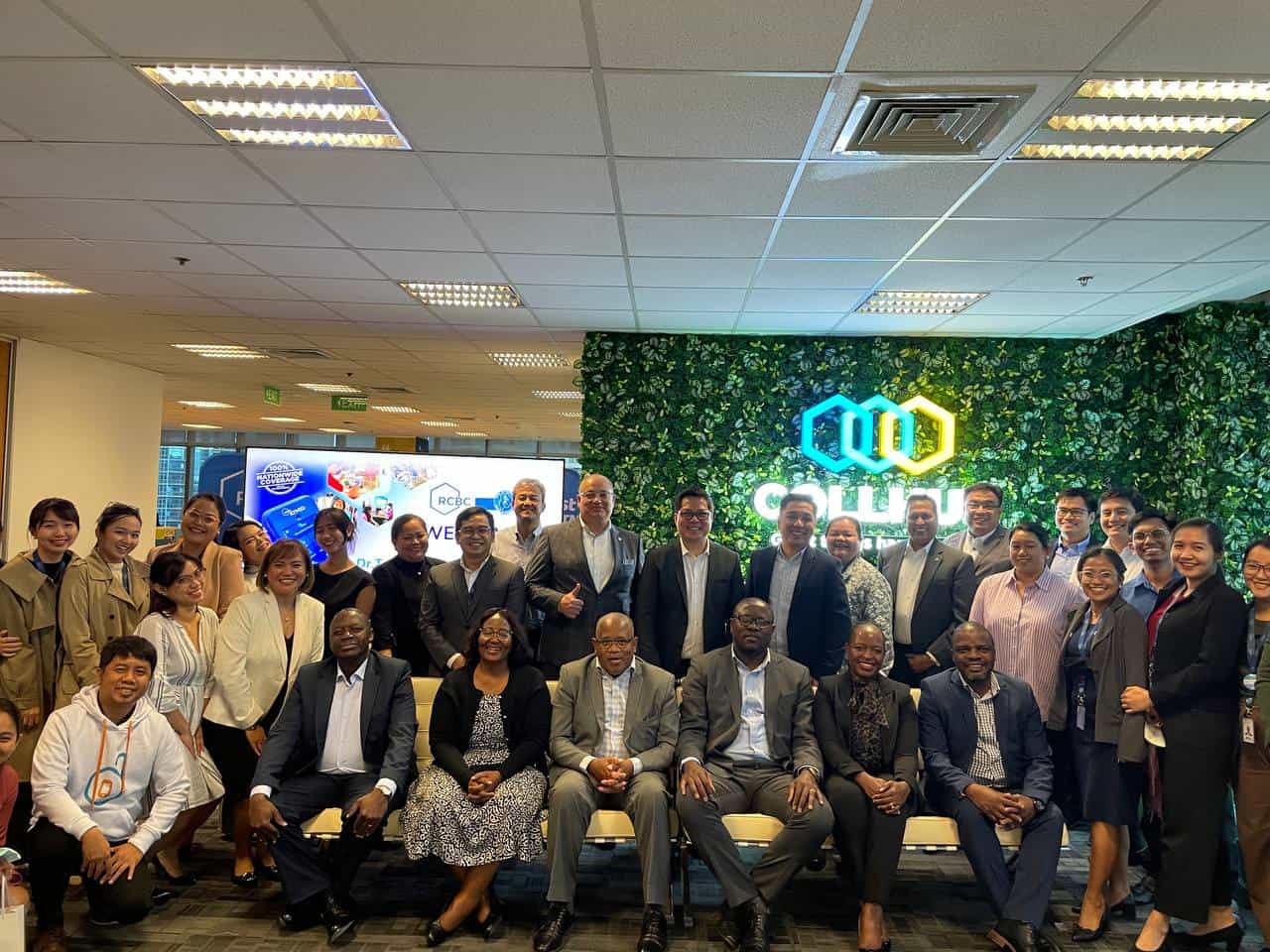
Following the COVID-19 pandemic, Philippines-based Rizal Commercial Banking Corp. (RCBC) jumped to fifth from ninth among the country’s largest private universal banks in terms of assets. The lender credits the achievement to an innovation playbook that prioritizes and aligns the country’s interests with its own.
The bank’s total resources went up from 767.1 billion Philippine pesos in 2019 to 1.2 trillion pesos by the end of 2022, up approximately 56%, an impressive feat given that geographic constraints in the country of 7,100 islands impact the financial system. As of 2019, the Bangko Sentral ng Pilipinas (BSP) estimates that 71% of the population remains unbanked.
After the World Health Organisation (WHO) declared COVID-19 a pandemic, the Philippine government imposed stay-at-home orders with varying degrees of restrictions from March 2020 to March 2022, one of the longest lockdowns in Asia, resulting in severe limitations in the movement of people, goods and trade. In Metro Manila and 38 other provinces where business activities ground to a halt, people struggled to shift to digital channels to pay for basic goods and services and meet daily needs, while the most vulnerable sectors depend on financial aid.
Eugene S. Acevedo
“This pandemic puts banks on the frontline. We have now become part of the solution rather than the cause,” RCBC President and CEO Eugene S. Acevedo stated in the bank’s 2020 annual report.
The report noted that in the first year of the pandemic, RCBC rolled out ATM Go, its digital disbursement platform, which was one of the channels used to distribute the government’s financial aid to families affected by the lockdowns. By the end of the year, the bank has helped disburse 12.43 billion pesos of cash subsidy to more than 3.3 million households in 72 of the country’s 82 provinces.
Anticipating the impact of lockdowns on businesses, RCBC set aside 9.4 billion pesos in loan loss provision, which is 2.5x higher than the normalized provisions in the previous year. It also introduced the COVID Assistance and Recovery (CARE) program, which adjusted loan repayment terms for businesses based on “realistic expectations.” As of end-2020, the bank said 78.7 billion pesos of loans were placed under the program.
For its employees, it rolled out the pandemic and infectious disease plan, which includes health and safety protocols in the workplace, shifting to work-from-mode whenever possible, mobilizing its resources to allow nearly half of its branches in Metro Manila in Luzon to continue serving clients, and consolidating branches as foot traffic declined.
Lito Villanueva
“At RCBC, we live by the mantra “innovations with empathy” and this inspires all members of the RCBC community to devote 100% of their skills, talent, and energy into conceptualizing designing and even offering products and services that are not only top-notch but reflects the desires or even lifestyles and aspirations of every Filipino,” said Lito Villanueva, chief innovations and inclusions officer.
Shift to digital
Established in 1960, RCBC is part of the bigger conglomerate, the Yuchengco Group of Companies, where Villanueva also serves as chief digital transformation advisor.
“In the past three to four years, we have successfully transformed RCBC from a purely brick and mortar traditional bank to a digital solutions behemoth and a leading digital challenger bank,” Villanueva said. “If there is a silver lining in COVID-19, that would be the quick adoption of consumers to digital financial solutions.”
Among the bank’s digital innovations is DiskarTech, the world’s first multilingual financial app launched in July 2020. It took only 30 days for the app to reach one million downloads, and enrolment rates reached 1.3 downloads per second, according to RCBC.
Regulated by the BSP, the app allows users to open a savings account, deposit or withdraw money, and purchase mobile loads and insurance. By the end of 2021, DiskarTech’s transaction volume has grown 437% from 2020. By then, there were already more than 45,000 DiskarTech touchpoints nationwide.
“We believe that innovation is possible and could benefit all Filipinos, and the key to that is inclusion. Our digital products and services are fruits of our objectives to include a greater segment of Filipinos into the formal banking system,” Villanueva said.
Scaling innovation is a huge challenge in an archipelago. Villanueva said the bank partners with grassroots organisations, private-sector partners and local government units. to realize its vision.
“Our partners on the ground helped us reach a greater segment of the Filipino people. It’s more than just one set of hands or one team. Our partnerships [also] make it easier for the government to understand pain points and expedite digital infrastructure projects,” he said.
Empathy in innovations
In 2020, the Philippine economy suffered a heavy blow, ending the year with a -9.5 % in GDP and reversing its 84 consecutive quarters of growth. Consumer spending was also at its slowest and unemployment has reached a 15-year record high of 10.3%, equivalent to 4.5 million Filipinos without jobs.
But even the worst crisis could open up windows of opportunities, according to Acevedo. As consumers quickly embraced new digital solutions and restrictions eased, the bank’s consolidated assets grew even bigger than its pre-pandemic levels. As expected, assets went down in 2020 slightly to 5.0 billion pesos from 5.4 billion pesos in 2019. However, it surged back up to 7.1 billion pesos in 2021 and 12.1 billion pesos in 2022.
“Empathy should be at the core of innovation,” Villanueva stressed. “It’s high tech, yet high touch.”
According to Villanueva, “Empathy means having the people at the centre of every discussion about innovation. Innovative and successful solutions are widely patronized, and celebrate inclusion.”
MoneyBela Barangayan Banking launch
Among its empathy-driven digital banking innovations is a project dubbed MoneyBela Barangayan Banking, a hybrid product that combines the best features of digital banking and physical banking. Under this program, RCBC brings banking services, including basic deposit account creation, bill payment, e-load, cash in/cash out, micro insurance, and telemedicine, to previously underserved areas using sustainable electronic tricycles or e-trikes.
As the bank crossed the one-trillion-peso mark in assets, the bank expects the economic recovery to continue, while still on the lookout for the lag effects of higher inflation and any signs of COVID-19 resurgence, Acevedo said in the 2022 annual report.
“Our journey and commitment to reaching out to as many Filipinos and providing the best customer service remains never-ending,” Acevedo said.
* Editor’s notes: This article is part of the Cxociety Coffee Table Book project (The Project) which chronicles the journey and experiences of senior business, operations, finance and technology leaders in Asia in recent years. The Project illustrates the tenacity, ingenuity and resiliency of the human spirit in the face of seemingly endless challenges.
With nearly 50 stories chronicled in The Project, it is a must-read compendium of learnings and experiences from seasoned professionals in the region.
As global pressure mounts for sustainable economic development, Southeast Asian (SEA) countries are increasingly turning to Artificial Intelligence (AI) and Machine Learning (ML) to achieve their Environmental, Social, and Governance (ESG) goals. According to ABI Research, nations like Singapore, Malaysia, Thailand, Vietnam, the Philippines, and Indonesia are already mandating ESG disclosures, with Singapore and Malaysia leading the way in establishing clear roadmaps for expanded reporting.
“Across vertical industries, AI and ML solutions are being adopted to drive sustainable growth, from enhancing operational efficiency to accountability in tracking carbon emissions,” says Rachel Kong, research analyst at ABI Research. The report highlights significant interest in AI solutions, particularly in Malaysia, where over 50% of manufacturing respondents view AI as essential for new initiatives. Key investment areas include robotic process automation (RPA) and enterprise resource planning (ERP) software, both anticipated to feature AI enhancements heavily.
Innovative applications of AI in SEA are rapidly emerging. For instance, Schneider Electric is developing AI-driven analytics to optimize operations in the automation sector. Furthermore, companies like Zuno Carbon, Evercomm, Unravel Carbon, and Jejakin are integrating AI into their carbon management solutions to streamline data collection and improve emissions accounting.
Matthias Foo, senior analyst at ABI Research, notes, “With the tightening of local sustainability reporting regulations in the region, we anticipate more companies to invest in AI and ML technologies to accelerate their sustainable efforts across industries, such as manufacturing, agriculture, supply chain, and finance. However, it is important to recognize that all enterprises are in different stages of their sustainability journey. Hence, each organization must carefully evaluate AI-based sustainability solutions to determine their overall impact on business operations.”
The findings underscore a transformative shift in SEA, where AI and ML are not just technological innovations but vital tools for driving sustainable growth in an increasingly competitive global landscape.
Sustainability is a pressing concern in the hospitality sector, responsible for approximately 5% of global carbon emissions, as highlighted by the World Tourism Organisation. To combat this, many businesses are leveraging innovative technologies to minimise their environmental impact while enhancing guest experiences.
Richard Neville
VITEC CTO Richard Neville emphasises the importance of technology in creating customised guest experiences alongside sustainability goals. For example, IPTV and interactive services not only pamper guests but also offer significant sustainability advantages. IPTV systems are more energy-efficient than traditional cable, reducing energy waste and costs by integrating seamlessly with existing hotel infrastructure and energy management systems.
Energy savings: IPTV systems require less hardware, helping to reduce energy consumption. They can automatically turn off TVs in unoccupied rooms, significantly cutting energy wastage.
Minimising Paper Waste: Digital content via IPTV replaces in-room paper materials like guides and menus, ensuring real-time updates while greatly reducing waste. Digital check-in and check-out processes further minimise paper use.
Attracting eco-conscious customers: Guests increasingly value sustainability efforts. IPTV can enhance their experience with features that promote eco-friendly behaviours, encouraging them to recycle and conserve energy during their stay. This not only serves as a marketing advantage but also helps cultivate a community of environmentally aware guests.
Enhancing sustainability: Smart technologies like automated lighting and occupancy sensors play a crucial role in reducing energy use. These systems ensure that energy is utilised only when necessary, employing energy-efficient LED lighting. As travellers seek eco-friendly options, adopting these technologies is essential for the future of sustainable hospitality. Meeting Environmental Social Governance (ESG) standards is increasingly important for customer satisfaction and regulatory compliance. Investing in smart technologies like IPTV not only benefits the environment but also enhances operational efficiency and brand
The data centre industry is witnessing exponential growth, driven by the increasing adoption of cloud-based services, AI, ML, and cryptocurrency trends. By 2030, the number of data centres is expected to reach over 24,000 globally, with a compound annual growth rate of 12%. This rapid expansion is posing a significant challenge to grid infrastructure, as data centres are estimated to consume 2,477 Terawatt Hours of electricity by 2030.
The energy-intensive nature of data centres, particularly the power-hungry GPUs and cooling systems, accounts for 80% of the sector’s energy demand. Generative AI applications and training models already use 10-20% of data centre electricity, adding to the strain on the grid.
Rithuka Thomas
“Compute power of power-hungry GPUs and cooling are the most energy-intensive processes within the data centre, amounting to 80% of the energy demand. Integrating new retrofit technology into existing data centre infrastructure and responsible compute are critical to reduce demand on the grid, restrain the surge in energy demand, and limit Scope 1-3 emissions,” explains Rithika Thomas, sustainable technologies senior analyst at ABI Research.
Greening data centres is crucial for sustainable digital transformation and meeting climate goals. Governments play a vital role in enabling this transition through policies, incentives, and regulations that promote renewable energy sources, efficient cooling, and responsible e-waste management.
Data centre operators are actively implementing various strategies to address the environmental impact, including onsite microgrids, power management techniques, infrastructure virtualization, and heat recovery. Leading tech companies, such as Google, Microsoft, and Amazon, are collaborating with data centre and utility operators to improve operations and promote responsible consumption.
Achieving net-zero emissions for data centres is a continuous journey, requiring the use of industry-specific sustainability frameworks, adherence to climate goals, and the integration of emerging technologies. By embracing sustainability, the data centre industry can reduce its carbon footprint and contribute to the global fight against climate change.
“As CEOs reset their long-term strategies, environmental sustainability remains one of the leading factors that will frame competition,” said Kristin Moyer, distinguished VP analyst at Gartner. “Despite much corporate greenwash, recent economic conditions could have triggered a reversion to environmental, social and governance (ESG) cynicism and a refocus on profit at all costs. However, the overall commitment of CEOs appears unwavering.”
Moyer noted that sustainability consistently remains a top 10 business priority, surpassing even productivity and efficiency this year. She added that leaders and investors know environmentally cavalier corporate behaviour is a mid-to-long-term risk to business results, with a big price to be paid when environmental factors are ignored as externalities.
“However, smart CEOs realise big sustainability challenges create new areas of business opportunity,” she cautioned.
Achieving sustainable business growth
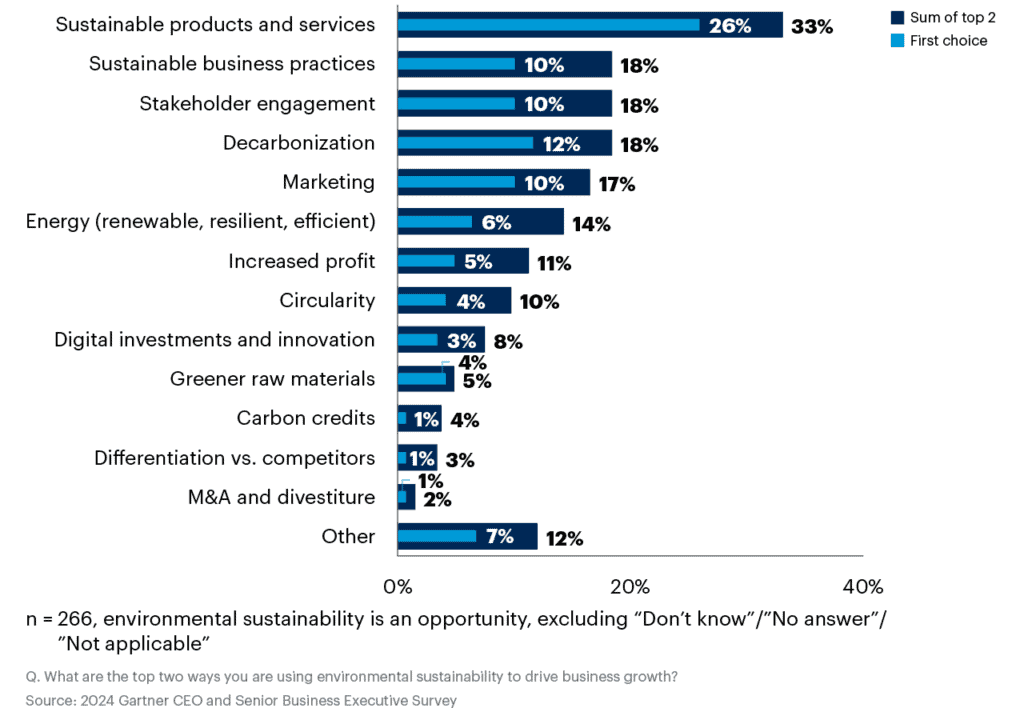
The annual survey revealed the leading ways CEOs are using sustainability to drive business growth are through sustainable products and services (33%); sustainable business practices (18%); stakeholder engagement (18%); and decarbonization (18%). Digital investments and innovation is ranked ninth at 8% (see Figure 1).
Figure 1: Environmental sustainability to drive business growth
Source: Gartner (June 2024)
“Digital technology can accelerate progress toward sustainability goals, going beyond compliance to help enterprises reach targets, enable new business models and unleash revenue streams.”
Kristin Moyer
According to Gartner, digital technology plays an important role in driving both financial and sustainability outcomes. For example, the Internet of Things (IoT), data and analytics can optimize wind turbines, which reduces costs and greenhouse gas emissions. AI and IoT can reduce food loss costs and waste; whereas a circular economy marketplace can create new revenue and reduce waste.
Climate change driving agenda
The Gartner survey revealed that 54% of CEOs say their businesses are affected by changing weather patterns, at least moderately. Over half (51%) acknowledge changing weather patterns are causing them to plan changes to the way they operate or have already done so.
“CEOs see that climate change is causing weather pattern shifts that are directly impacting their business operations already,” said Moyer. “Those operations must be adapted, with technology playing a vital role in driving these changes, especially in the dynamics of supply chains.”
The Gartner survey revealed the biggest impact of changing weather patterns cited by CEOs is operating dynamics (30%), particularly changes to logistics, such as warehousing, timing and routing of deliveries. Relocations (including nearshoring) comes in second (14%), followed by automation, technology and data (13%).
It was during the pandemic that Holcim became more deeply intentional in its contribution towards sustainability. Being the country’s building solutions leader, the company planned on how it could increase its positive impact on the environment and society as it grows the business.
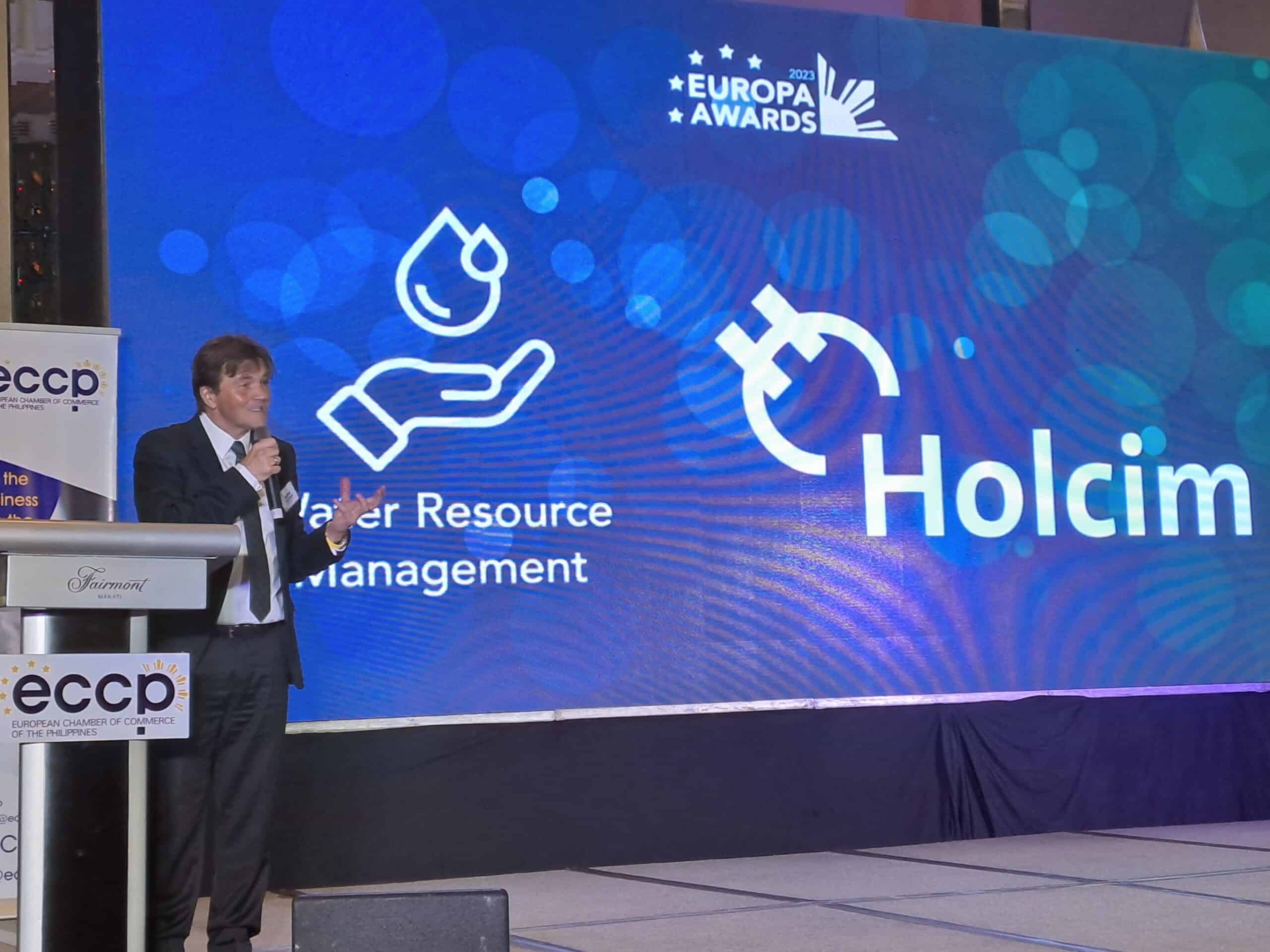
Holcim Philippines president and CEO Horia Adrian said, “In crises, there are companies that are focused inwards: Trying to reduce cost, reduce people, and protect themselves from the storm. And there are more courageous companies that decided to think outwards: to think about what opportunities this kind of situation can bring to us.”
It was during that time that more energy was devoted to engaging people on the company’s strong sense of purpose, highlighting the many ways Holcim Philippines is contributing to progress beyond cement. The company put a spotlight on the range of initiatives that contribute to sustainable development such as helping the country in managing waste.
“Holcim Philippines is providing sustainable waste management solutions to the Philippines, helping the country to grow greener and have a cleaner environment. It is one of the largest companies in the recycling business,” Adrian added.
Heart for sustainability
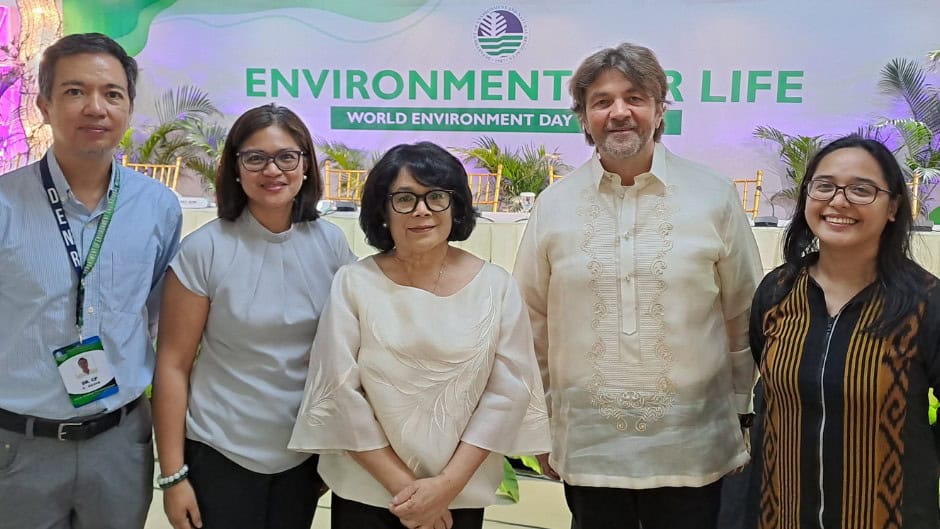
Caption: Meeting with Philippine Environment Secretary Maria Antonia Yulo-Loyzaga (centre)
Holcim prides itself on its commitment to becoming a net-zero company with decarbonization and circularity as key levers. Sustainability is a core value of the company driving its efforts to accelerate greening of operations, expansion of green building solutions, and engagement of key stakeholders to support the shift towards construction that uplifts people and the planet.
“By 2050, on our beautiful planet Earth, there will be more than 2.5 million people compared to today, living in cities. These 2.5 billion people will have to be accommodated in new cities that have not yet been built,” Adrian noted.
“Now if we continue to build as we used to build in the past, we will end up consuming much more than what our planet can regenerate every year.”
He explained that to contribute to sustainability, the building industry should reduce the materials that are being used, reuse them as much as possible, and recycle them into new structures. He added that the company is committed to providing solutions for building more, with less material.
“It finally comes down to using the limited amount of resources that we have wisely. We have to be able to go forward growing more efficiently.
”Acknowledging that raw resources are finite, Holcim moves away from the linear “make, take, waste” approach of operating towards a more circular process that aims to “reduce, reuse, and recycle”.
Holcim has been organising training and awareness sessions on sustainability for its stakeholders and employees. Aside from that, it also engages with different levels of decision-makers from the central government, or the local authorities, architects, and designers.
Worldwide, Holcim has recycled more than 50 million tons of materials and about one million tons in the Philippines last year. It has also reduced freshwater usage by 70% in the past year.
All hands on deck
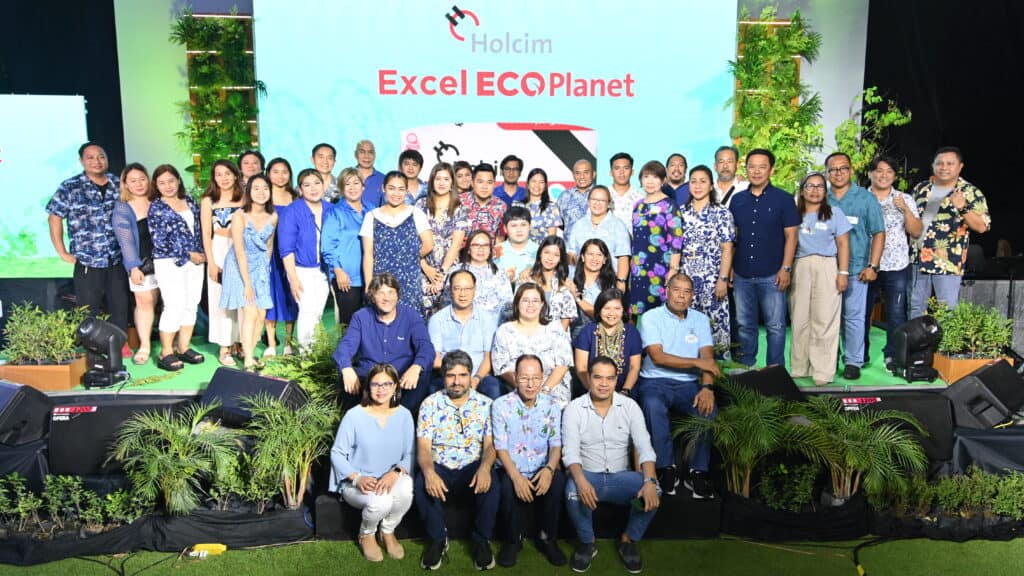
Caption: Holcim Philippines has launched its green cement Excel ECOPlanet in Northern Luzon
“I know that there is only one CEO in a company, but it is going to be delivered by the team,” Adrian said of their achievements and sustainability efforts.
He said that they started by creating a stimulating working environment for their employees. “Everybody should come to work with a big smile on their face and also leave work with the biggest smile on their face after the contribution that they have delivered during the day.”
Second, they are committed to making their customers successful and building lasting partnerships with them while gaining their trust and loyalty.
They are also a supportive partner to communities not only during times of crisis but every year. “We look at the needs of the communities, affordable housing, the water supply electricity needs, and education,” Adrian added.
“To deliver on the sustainability targets and to help people build more sustainably and more efficiently in the future, it is a teamwork. It cannot be done by one player.”
He highlighted the importance of an entire system working towards implementing sustainability goals. “You need the policies in place. So, that’s the job of the policymakers, to have the policies in place to specify green building requirements in their policies. You need to have the specifiers, the architects, and the designers that will use the design using fewer resources in the future. Of course, it will come back to us to decarbonise our footprint. We are ready to provide solutions for building greener in the future from this point of view.”
Inspiration for the future
For Adrian, he finds inspiration in the people he meets every day and how he makes an impact through what he is doing at Holcim.
“I mentioned that Holcim is not only the best company in the industry in terms of operational performance and financial performance, but also, in my opinion, the one with the strongest sense of purpose in the industry.”
He said he is very much driven to be winning in the building solutions industry in the Philippines. More than wanting to become the best player, he wants people to see that being best in the field means caring for the environment and communities.
“We have a set of values in our company that are linked to the way we want to win in the market. And I’m speaking here about entrepreneurial mindset, which is coming to how can we continuously improve, how can we make things better every day by providing a better customer experience.”
Horia Adrian
“My advice is simple. We have a beautiful planet. Everywhere you go you see astonishing places. You see beautiful flowers, nature and animals and the ocean and waters. It would be a pity to lose this. Let us preserve this for future generations. Everybody should be enjoying what we are enjoying today.”
Horia Adrian
* Editor’s notes: This article is part of the Cxociety Coffee Table Book project (The Project) which chronicles the journey and experiences of senior business, operations, finance and technology leaders in Asia in recent years. The Project illustrates the tenacity, ingenuity and resiliency of the human spirit in the face of seemingly endless challenges.
With nearly 50 stories chronicled in The Project, it is a must-read compendium of learnings and experiences from seasoned professionals in the region.
IDC predicts that by 2024, 35% of companies and public service institutions in the region will leverage AI technology to advance their ESG metrics and data management beyond reporting capabilities to generate sustainability-driven cost benefits and competitive advantages.
In a survey conducted in August 2023, technology buyers in Asia/Pacific Excluding Japan (APEJ) ranked AI and its derivatives as the number one most useful innovative technology to meet their sustainability/ESG objectives. Furthermore, 46% of APEJ enterprises find GenAI particularly useful in ESG data analysis.
AI is predicted to remain a critical technology in the operationalisation of ESG in 2024 and beyond:
• Responsible AI: By 2025, 25% of ESG review boards in APEJ will include ethical and responsible oversight of AI efforts in their purview.
• Sustainable Supply Chain Management: By 2026, AI-powered demand forecasting will reduce excess inventory levels by 20% minimizing waste and lowering carbon emissions from excess production.
In addition to the growing role of AI in meeting sustainability/ESG objectives, IDC also noticed that APEJ organisations are in a cusp of a great shift which will lead to more demand for sustainability and ESG-enabling technologies and related business services.
IDC’s sustainability surveys reveal accelerated adoption of sustainability/ESG in the region in the last 12 months, much faster than anywhere else in the world.
Important sustainability/ESG topics in 2024
• Decarbonization: By 2027, 50% of large organisations in APEJ will require a carbon neutrality strategy as a standard part of enterprise technology procurements and RFPs as compared with 40% today.
• Circularity: By 2024, 50% of APEJ organisations will require OEMs/ODMs to provide detailed circularity metrics about design, manufacturing, life cycle, repair, reuse, and disposal in dashboards to facilitate reporting.
• Social Sustainability: By 2028, 30% of APEJ companies will track social capital KPIs (e.g., human rights management) to reflect the increasing demand from external stakeholders to address social sustainability topics.
• Biodiversity and Nature Positivity. By 2027, 25% of APEJ companies will consider biodiversity a material ESG issue for their business and will have implemented concrete impact mitigation strategies and data management tools.
• ESG Services: By 2027, due to increased focus on climate risk, 80% of all sustainability-related services engagements will include a climate risk component, a 30% increase from the present.
• Sustainable data centres: By 2026, 35% of all data centre energy consumption in APEJ will be powered by renewables.
• Chief Sustainability Officer: By 2028, companies most advanced with sustainable business transformation (~10–20%) will have sustainability embedded across the organisation, and CSOs will have only a coordination role.
Melvie Espejo
“Over 90% of enterprises in the region are navigating their sustainability journey, responding to global and local regulatory pressures and the need to stay competitive. Manufacturing, logistics, ICT, and financial services sectors, and public sector institutions, such as government, education and healthcare, increasingly rely on digital technology solutions and ESG-related consultancy services to get them started or help them advance in sustainability maturity. IDC foresees a rapid expansion of sustainability tech applications in the near term, expanding use-cases and scope of material topics,” says Melvie Espejo, a research director for sustainability strategies and technologies at IDC Asia/Pacific.
Cement production and processes emit over five per cent of all carbon dioxide emitted by human activity. Reducing that environmental impact is a high priority among cement producers. This presents a challenge for the industry and the proponents of climate change as demand for cement surges globally.
The International Energy Agency (IEA) outlines key strategies to cut carbon emissions in cement production include improving energy efficiency, switching to lower-carbon fuels, promoting material efficiency (to reduce the clinker-to-cement ratio and total demand), and advancing innovative near-zero emission production routes. The latter two contribute the most to direct emission reductions in the Net Zero Scenario.
Digital technologies will enable companies to collate and analyse the data to identify process improvements. Investments in optimising their production equipment and cement quality will also drive investments in digitalization. ABI Research forecasts total spending on digitalization is forecast to reach US$3.54 billion in 2033 (a 5.5% compound annual growth rate (CAGR)).
Michael Larner
“With all of the above in mind, cement producers are developing risk frameworks that present opportunities for technology suppliers to help firms assimilate information for presenting credentials and performing scenario planning exercises,” says Michael Larner, industrial and manufacturing markets research director at ABI Research.
Cement production accounts for 4% of global warming. However, concrete, from which cement is the main element, is the key material used in the construction industry and will continue to be required for buildings, roads, and infrastructure projects.
“This is the dilemma for the industry and can be considered an opportunity for both engineers and technology suppliers to devise solutions to develop cement that can fulfil industries’ requirements while not decimating the environment,” Larner explains. Digital technologies will have a role to play at the production level, and companies are developing and commercializing their expertise, with both TITAN Cement Group and Heidelberg Materials already commercializing their digital expertise in predictive maintenance and application development, respectively.
The Future of Asian & Pacific Cities Report 2023 entitled, Crisis Resilient Urban Futures, describes countries and cities across Asia and the Pacific as struggling to recover from the health and socioeconomic crisis resulting from the COVID-19 pandemic, even as the effects of climate change continue to ravage the region.
The report offers guidance for policymakers to address severe disruptions and long-standing development challenges in cities for a sustainable urban recovery in Asia and the Pacific.
The problems and challenges of governments and city developers are nothing new. But with new technologies and lessons learned from other countries, Asia may yet to reap the benefits of not being the first mover.
Jacques Beltran, VP for Cities and Public Services at Dassault Systèmes says what is happening in Asia is not local to the region. It is a global trend. “Asian cities face two major challenges – demographic growth and climate change,” he called.
“Today, half of the world’s population lives in cities, and it’s expected to reach 80% of the population by 2050. This creates huge demographic pressure on existing and new cities being built. Cities are also facing enormous challenges related to climate change and all the natural disasters that come with it.”
Jacques Beltran
Previous top priorities of urban planners
Beltran says due to urban demographic growth, urban planners have much work to do to ensure that citizens living in cities have a good life, and that has to do with meeting fundamental needs like housing and mobility.
“Mobility is probably the top issue globally and in Asia. Cities need to ensure that people can go from one point to another in a reasonable time and a sustainable manner. There are also issues with car traffic and air pollution. Mobility, housing, and access to energy and clean water are issues at the heart of urban planning worldwide,” he continued.
Climate change and its impact on city living
Asked how significant the impact of climate change on cities in Asia, Beltran was quick to pronounce: Major! He explains that the number of natural hazards hitting cities has multiplied by five since the 1980s. Flooding is probably the top natural hazard that’s hitting cities, particularly in Asia. There are also extreme temperatures or wildfires.
“Such natural hazards have become a key focus for urban planners and agencies. We are doing everything we can to find ways to help cities adapt to those risks and climate change challenges. Cities need to become more sustainable and resilient,” he elaborated.
Sustainability aspirations and its influence on urban development
According to Beltran, people living in the cities are increasingly conscious of sustainability challenges, and they are increasingly thinking about their impact on climate change. He acknowledged that this is a major challenge not only for urban planners but for city governments themselves.
“What’s obvious now is that transformation will not work without a strong political will to change how cities are managed. We firmly believe that technology, supported by a strong political will, can help those cities become more sustainable and resilient,” he added.
The influence of evolving technology
Reflecting on the past 20 years, Beltran acknowledged a huge acceleration in technology that can help cities transform how they operate and plan for the future.
“For mobility, intelligent transportation systems have been developed for public transportation. Mobile apps help people find their way around traffic jams. Smart grid technology is helping cities cope with the ever-increasing energy demand. IoT sensors capture data on how a city is functioning, and that data, together with data analytics, helps city authorities plan for the future.”
Jacques Beltran
“To help your city adapt to future challenges, you must first understand the reality now. Today’s technology helps us do that tremendously well,” he continued.
Challenges for urban planners
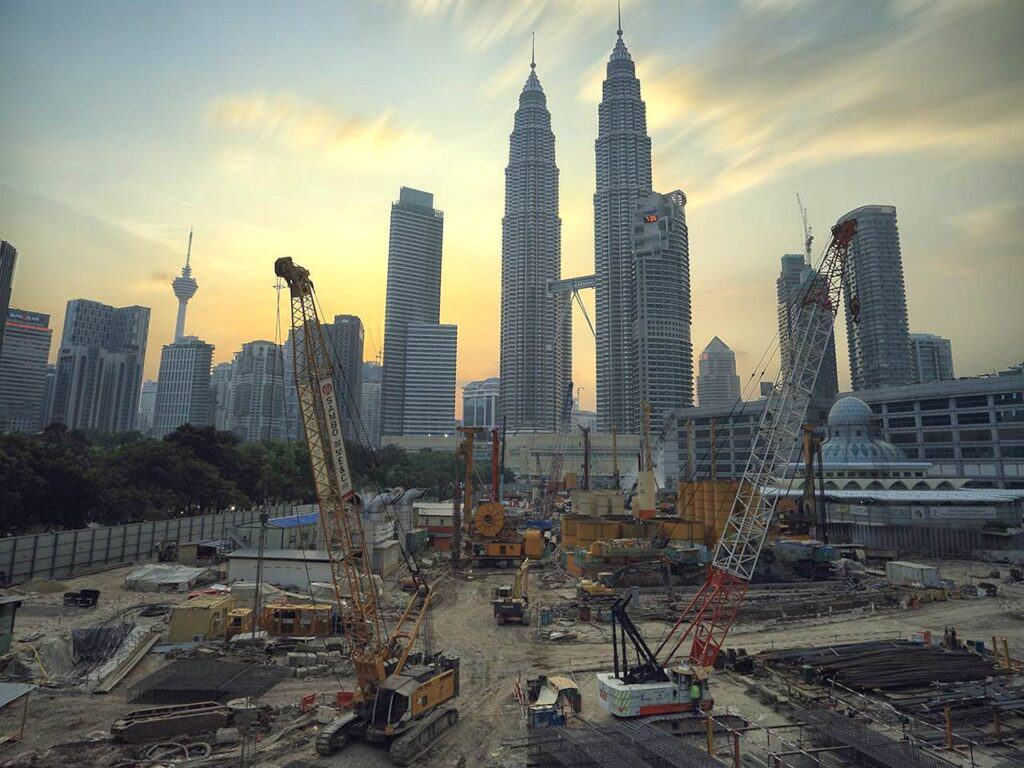
Photo by Zukiman Mohamad: https://www.pexels.com/photo/yellow-tower-crane-190417/
Beltran cites two main technological building blocks that urban planners can use today:
Data analytics and AI. Once city data has been captured widely, these technologies can be used to interpret, understand and transform that data into actionable information.
3D modelling and 3D simulation. One of the biggest challenges that cities face is breaking the silos. Everybody sees the city from a certain perspective. 3D simulation technology, or digital twinning, helps different stakeholders see the city through a common view by aggregating all available data into one single 3D referential. This lets all stakeholders move ahead as one.
Ownership and stakeholders of 3D models
3D mockups and 3D representations of the city are easy to do. What’s more complex and adds much value is identifying the types of data to inject into the 3D model.
“We can connect different dimensions, such as safety, environmental, and economic development in a 3D model. From there, entire city ecosystems can be improved, covering aspects such as diverse administration, businesses, and citizen comfort,” said Beltran.
He commented that all stakeholders involved in city planning and development should have access to such a 3D modelling and simulation system.
Challenges ahead for urban planners
Beltran says one of the major challenges for urban planners is building what-if scenarios. He opines that 3D modelling and simulation can help cities design future products like infrastructure.
“The beauty of such technology is that you can do virtual testing of different policy options – by setting up each scenario, assessing the merits of each scenario, and seeing what will happen when each option is selected,” he elaborated. “Aircraft manufacturers use the same technology to circumvent crashing their planes. Such what-if scenario enablement and testing are invaluable to city planners.”
Click on the PodChat player to listen to Beltran elaborate further on smarter ways for modernising urban development.
Give us a state of city growth in Asia.
Before sustainability became the buzzword, what were the top priorities of urban planners?
How significant is the impact of climate change on cities in Asia?
What mindset is needed to make cities sustainable for the long haul?
Beyond mindset, do we have the technologies and skilled/experienced people available/ready to make the change towards more sustainable urban development?
Can we go into a little bit of detail in terms of what technologies are available today for urban planners?
Describe the challenges urban planners face in Asia in the coming years. What can we learn from global cities when it comes to sustainable development?
An IDC-led survey of 800 global executives commissioned by UiPath found that 54% of organisations are already using enterprise automation technologies to help implement sustainability initiatives, and another 24% plan to do so in the coming two years.
The IDC study also shows that organisations which have established intelligent automation practices are also more mature in terms of their sustainability efforts.
Sustainability—viewed by IDC through a triple-bottom-line lens of maximizing benefits to, and minimizing negative impacts on, the economy, society, and the environment—is a leading priority for organisations. Yet significant cost and complexity challenges make progress difficult.
“Sustainability is a major strategic priority for businesses, and organisations the world over are moving quickly to define sustainability goals and incentives. However, when it comes to operationalising sustainability initiatives, there are significant business and technology challenges that make progress difficult,” said Neil Ward-Dutton, vice president of automation, analytics, and AI at IDC Europe.
Neil Ward-Dutton
“With automation’s ability to increase an organisation’s agility, efficiency and speed to value, enterprise automation platforms and practices can help address many of these challenges and have strong roles to play in unlocking the potential of sustainability initiatives.”
Neil Ward-Dutton
“Automation fills an organisation’s operational gaps and makes sustainability initiatives actionable at a time where sustainability is a leadership and management priority,” said Rob Enslin, co-CEO at UiPath. “Every organisation has a responsibility to be a responsible corporate citizen for its community, its employees, and the environment. The insights are relevant for all businesses.”
Rob Enslin
“Enterprise automation is ideal for unlocking the potential of sustainability initiatives across the organisation and for overcoming technical barriers.”
Rob Enslin
The survey reveals:
Sustainability investments are a major priority, but present challenges
Global executives noted that the top drivers for their sustainability initiatives were operational efficiencies and cost savings (40%), and enhanced brand value and trust (33%). Additionally, 68% said that they have a board member specifically responsible for sustainability.
Regarding sustainability program priorities, more than one-third of respondents highlighted the importance of IT efficiency. About 28% indicated responsible sourcing as their main concern, and 27% reported that both overall energy efficiency and employee well-being, health, and safety were top of mind.
However, 35% of respondents indicated that dispersed/siloed resources were the main organisational challenges they faced when attempting to become more sustainable, followed by difficulty identifying appropriate KPIs (33%) and a lack of operational technology (32%).
Automation for sustainability offers substantial benefits
To introduce and manage sustainability initiatives, organisations are leveraging automation to drive agility and ensure the quality of information and measurement. Organisations are using automation to extract data more easily from human-readable documents and to source data quickly. Another top automation use case for sustainability is process improvement (45%).
When weighing the benefits automation could bring to their organisations in the future, more than half of all executives indicated the value of enabling workers to do more meaningful work and increasing employee satisfaction as the top potential advantage.
Other potential benefits included more easily sourcing data (55%); the ability to develop new value propositions, products, and services (53%); and easier understanding of operational performance and improvement areas (52%).
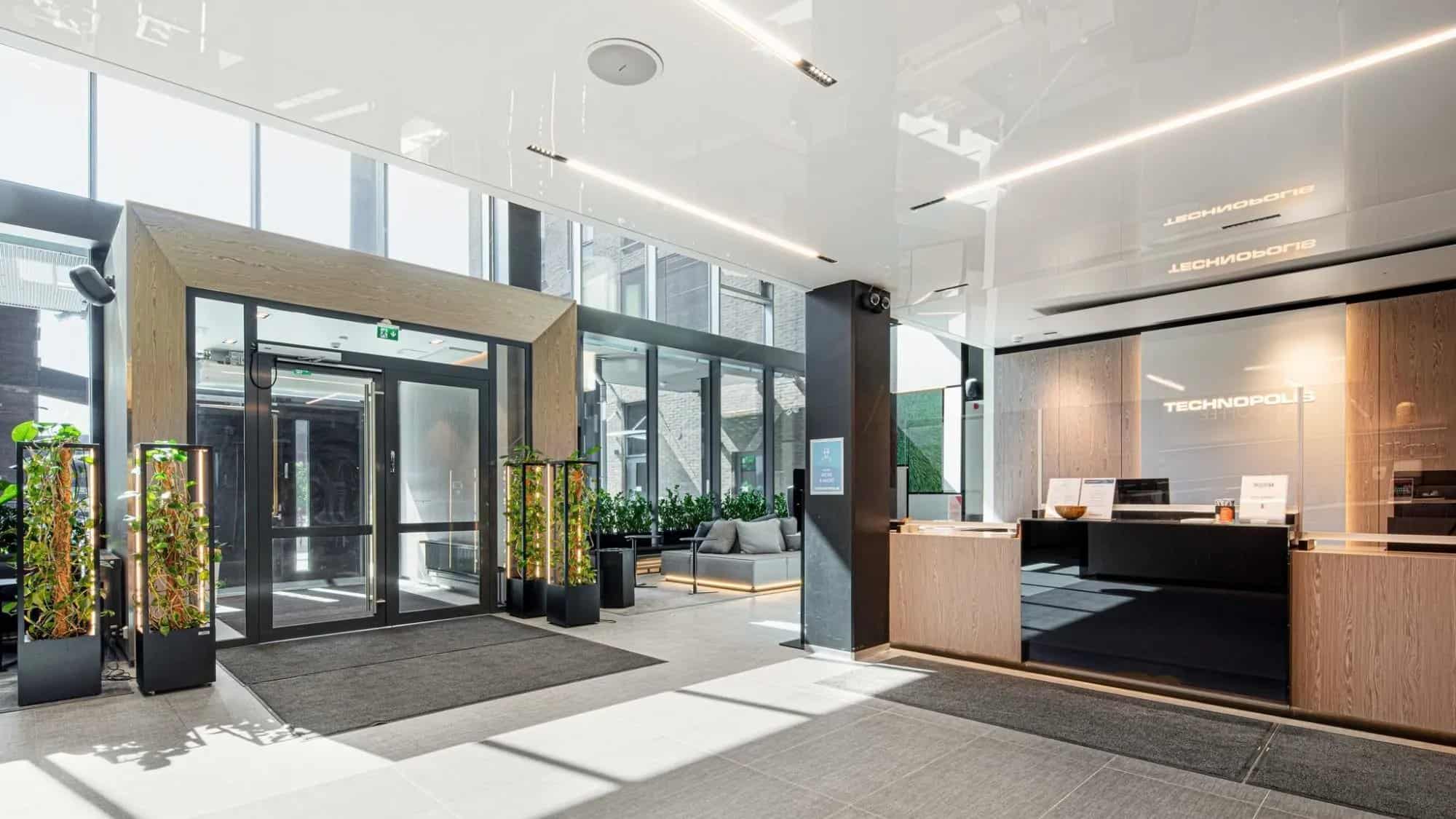
Technopolis is the shared workspace expert that provides efficient and flexible offices, workspace design to reception, meeting, restaurant, and cleaning solutions. The company owns 16 campuses that host 1,500 companies and 48,000 employees in six countries within Europe.
The company has partnered with Lassila & Tikanoja and Connected Inventions’ to reduce energy consumption and CO2 emissions, allowing Technopolis to advance its sustainability reporting and ESG (environmental, social, and governance) goals.
By combining L&T Smartti Automation, which optimises heating, cooling, and ventilation in buildings, with real-time indoor air quality data collected with Connected Invention’s IoT devices, significant savings were already achieved within the first several months of deployment at Technopolis’ properties.
Bringing precision demand-controlled ventilation
L&T Smartti Automation is the building properties’ energy optimisation digital service. Smartti guides and drives the existing building management system and adjusts the ventilation accordingly. Smartti optimises ventilation, and energy consumption based on real-time data, allowing it to consider factors such as changing weather conditions and the thermal mass of the building.
The indoor conditions in the building remained optimal, with no energy unnecessarily wasted. Smartti has been using in Technopolis’ properties in Ruoholahti 3 since the start of 2021.
Additionally, Smartti AI’s integration with Connected Inventions’ AirWits Insight, an indoor air quality monitoring software solution powered by Sigfox 0G technology brings even greater benefits from the building automation system.
The low-power and cost-efficient sensor solutions accurately monitor various parameters such as CO2 levels, temperature, and relative humidity of the building. Ultimately, allowing for better precision control over the building management system and its indoor conditions.
In addition to the devices measuring indoor air quality, Connected Inventions also provides the 0G network communication infrastructure and software solution for data integration and visualisation through FoxerIoT and AirWits Insight.
Lassila & Tikanoja customer relations manager, Vantte Kenttä, says the IoT sensor solutions offer more precise indoor air conditions within buildings, whilst L&T Smartti automation AI can optimise conditions and energy consumption even more effectively than before.
He adds that this combination not only do we get energy savings, but also consistent indoor air and optimal conditions for building occupants.
DCV brings significant energy savings
Demand-controlled ventilation (DCV) Brought significant energy savings to Technopolis
In Finland, Technopolis Ruoholahti 3’s property deployed Smartti Automation and AirWits Insight in winter 2022. Within the first few months, the building management witnessed profound results – an overall savings of over 30% in heating energy and 50% in ventilation energy consumption.
“L&T Smartti Automation and Connected Inventions’ IoT sensors’ pilot project results have been so good, so much so we’ve decided to implement it in other commercial buildings around Finland. In addition to energy efficiency, we were able to also confirm improved indoor air quality in the building property,” says Ismo Myllymäki, head of property management for Technopolis.
Sustainability is not just about compliance and added costs. Sustainability can enable long-term value creation for companies, and in many cases, sustainability efforts can help save costs on materials, electricity, and water consumption.
Companies that are solving climate challenges for customers are enhancing and marketing current sustainability-focused solutions while also generating new business units and revenue opportunities from decarbonisation activities.
In a new report, ABI Research establishes the sustainability positioning of 10 of the world’s largest industrial manufacturing conglomerates and lists company-wide best practices and external customer use cases for reducing carbon emissions, water use, and waste across multiple industries.
Sustainability Leaders: Schneider Electric, Siemens, ABB, and Bosch
Sustainability Mainstream: Hitachi, General Electric, Honeywell, and LG
Sustainability Followers: Mitsubishi Corporation and Rockwell Automation
Kim Johnson
Kim Johnson, sustainable technologies principal analyst, explains, “Our assessment highlights that all the conglomerates in the index are building businesses to decarbonise society. However, several have communicated ambitions to be global climate change leaders. They also do very well financially, even in a tumultuous market environment.”
Schneider Electric is a sustainability and energy management-focused company, targeting carbon neutrality within its own operations by 2025. In 2022, with sustainability at the core of its business, Schneider Electric had all-time high revenues and net income, despite global inflationary pressures; their energy management unit is up 13%, and industrial automation is up 10%.
Siemens ranked second in the index in industrial digital automation and green buildings and vehicles while receiving solid scores for renewable energy use. In 2022, Siemens had record profits, with their digital business up roughly 15% and the industrial business up 17%.
ABB was also a leading technology implementer for industrial automation and robotics with year-over-year revenue increases in 2022.
Bosch, which has already achieved carbon neutrality for Scope 1 and Scope 2 emissions (in 2020), had strong sales in 2021 and 2022 with climate response driving sustainable product development. In 2022, Bosch’s corporate leadership stated that “climate action is driving the business forward” in mobility solutions, industrial automation, and building technology and appliances.
Hitachi has also made significant investments in recent years for decarbonisation, purchasing ABB’s energy and power grids business for expanding renewable energy, producing electric vehicle (EV) systems and infrastructure, and improving its Lumada solutions for industrial digitalisation.
For sustainability-focused efforts and revenue opportunities in the near term, ABI Research highlights increases in both industrial Information Technology (IT) investments, such as 5G connectivity, Industrial Internet of Things (IIoT) and edge compute, cloud infrastructure and mobile applications, and Operational Technology (OT) investments, including digital platforms to conserve energy, promote greener buildings, enhance automation, and improve factory efficiencies.
For manufacturers, many of these IT and OT investments can help address the effects of inflation, skilled labour shortages, and supply chain constraints while also addressing climate change by enabling the reduction of energy consumption, water use, and waste.
Surprising revelations
“What surprised us was the depth and breadth of new decarbonisation business units, products, software solutions, and consulting services, each directed at solving climate-related issues for customers. These solutions ranged from national-level mobility and infrastructure projects to greener chemicals used in consumer goods. These companies are all investing in a lower carbon future,” Johnson concluded.