FutureCOO

Tag: digital transformation

  • AI ambitions face significant operational barriers

    AI ambitions face significant operational barriers

    A stark discord is bubbling between ambitious AI goals and the operational realities facing many enterprises.

    The Celonis 2026 Optimisation Report, which surveyed 1,649 business leaders across diverse sectors, indicates that while 85% of organisations aspire to be agentic enterprises within three years, 76% acknowledge that their current processes serve as significant impediments to achieving such goals.

    The need for optimised processes

    Celonis posits that the journey to becoming an agentic enterprise—defined as a structure capable of utilising AI to act autonomously and effectively—requires more than just data; it demands optimised processes and operational context.

    Current findings reveal a major concern among decision-makers: 82% believe that, without an in-depth understanding of operational processes, AI will ultimately fail to deliver its expected return on investment (ROI).

    Barriers to AI adoption

    Key insights from the report further illuminate the state of AI adoption in enterprises. Notably, 90% of organisations are either utilising or exploring multi-agent systems aimed at automating complex decision-making processes.

    However, the report also identifies critical barriers hindering widespread adoption. Chief among these are a lack of internal expertise (47%) and the challenge of ensuring that AI understands the business context (45%).

    The impact of silos

    Silos within organisations exacerbate these hurdles, with 58% of process and operations leaders reporting a lack of seamless interdepartmental collaboration. This fragmentation stifles the end-to-end visibility that AI systems require to function effectively.

    As Patrick Thompson, global senior vice president of customer transformation for Celonis, puts it, “In the age of AI, ‘good enough’ is a liability. Difficulty adopting new technologies like AI is a red flag that your underlying processes are already failing.”

    The urgency for competitive advantage

    As firms strive to navigate the complexities of a rapidly changing market, the urgency to adopt AI as a competitive asset is evident. An overwhelming 89% of leaders view AI as their greatest opportunity to enhance their market positions.

    Yet, while the aspiration for agentic AI is prevalent, many struggle to materialise this ambition into measurable value.

    Lessons from India

    Highlighting the survey’s results for the Asia Pacific (APAC) region, it becomes clear that India is setting the gold standard for mature process intelligence adoption, leading globally with 60% of its business leaders reporting fully optimised processes. This success can be attributed to a transformative mindset shift, where process optimisation is recognised as a continuous, organisation-wide initiative.

    “One important factor behind this maturity is the pressure on India’s large BPO and shared services organisations to move beyond traditional, headcount-based delivery models,” notes Thompson.

    He adds that as AI reshapes these businesses, organisations are being pushed to optimize processes and deliver outcomes, not just low-cost labor, making deep process understanding a prerequisite for AI success.

    “The common denominator among leaders in India is a shift in mindset: they view process optimisation as a critical, continuous business-wide initiative (63%). They also demonstrate a “context-first” approach, with 91% recognising that AI can only deliver ROI if it has the context of how the business runs.” Patrick Thompson

    The challenge of digital twins in APAC

    Leaders in APAC are also expressing a near-universal ambition to leverage digital twins within the next year, with 92% planning to implement these technologies. However, the logistics and supply chain sectors face significant visibility challenges, with a staggering 78% of leaders grappling with fragmentation that obstructs real-time visibility. This lack of clarity can trigger unpredictable ripple effects throughout the supply chain, inhibiting effective AI deployment.

    Ensuring effective collaboration among AI agents

    To ensure the successful implementation of multi-agent systems, Process Intelligence acts as a critical enabler, serving as the connective tissue between disparate systems. By offering a shared understanding of business operations, PI facilitates collaboration among AI agents while mitigating the risks of creating new silos.

    Practical advice for COOs

    Thompson believes that in the age of “good enough” is a liability. “Difficulty adopting new technologies like AI is a red flag that your underlying processes are already failing (according to 20% of leaders). Composable, agentic enterprises start with AI that understands how the business flows,” he reasons

    As organisations face mounting pressure to deploy competitive AI solutions rapidly, he offers one advice:

    “My practical advice is to view process optimisation as the essential fuel for your AI strategy. Specifically, focus on bridging the departmental gaps that currently leave 72% of leaders with different views of the same process.” Patrick Thompson

    While the aspiration for agentic AI is palpable, turning this ambition into reality necessitates a concerted effort to optimise underlying processes.

    By embracing Process Intelligence as a foundational element of their AI strategies, enterprises can unlock the transformative potential of AI, paving the way for enhanced business efficiency and sustained competitive advantage. As the 2026 Optimisation Report underscores, the path to AI success is laden with challenges, yet the rewards of overcoming them can drive enterprises toward a more agile and innovative future.


  • WiFi 7 may redefine enterprise networking

    WiFi 7 may redefine enterprise networking

    The global WiFi 7 enterprise gateway market is on the cusp of a remarkable expansion, projected to soar from $2.3 billion in 2024 to an impressive $14.8 billion by 2033.

    Research Intelo posits that this significant growth—fuelled by a staggering compound annual growth rate (CAGR) of 22.8%—is a direct response to the escalating demand for high-speed, low-latency wireless connectivity within enterprise environments.

    As businesses undergo vast digital transformations, the need for robust connectivity solutions is more pressing than ever. WiFi 7, built on the IEEE 802.11be standard, promises to revolutionise enterprise networking, offering unparalleled speed, reduced latency, and superior multi-device management.

    This new standard is perfectly positioned to support bandwidth-intensive applications such as augmented reality (AR) and real-time automation, essential for modern operational frameworks.

    A significant driver of this surge is the hybrid work model that now characterises many organisations. With employees transitioning between remote and office settings, the demand for reliable, high-performance networks has become crucial.

    WiFi 7’s advanced capabilities, such as ultra-low latency and enhanced traffic management, facilitate smooth video conferencing and real-time collaboration, even in high-demand scenarios.

    Moreover, the integration of WiFi 7 with 5G technology is gaining momentum, particularly within sectors requiring expansive and efficient connectivity solutions. This hybrid approach allows enterprises to blend cellular and WiFi networks, ensuring seamless performance and security across their operations.

    However, challenges remain. Businesses must consider the significant investments required for infrastructure upgrades and version compatibility, particularly given that many existing devices still lack support for WiFi 7. Regulatory hurdles and increased security demands further complicate the landscape, as enterprises navigate the intricate balance between performance and safety.

    Despite these hurdles, experts are optimistic about the WiFi 7 enterprise gateway market’s long-term trajectory. Continued advancements in chipset designs and decreasing hardware costs will likely ease the transition, ultimately paving the way for enhanced enterprise connectivity.

    Companies that adopt WiFi 7 strategically will not only improve operational efficiency but will also position themselves at the forefront of digital innovation, ready to meet the challenges of tomorrow’s business environment. The future of enterprise networking is bright, and WiFi 7 is set to lead the charge.

  • Telecoms face new age risks: AI, talent shortages and geopolitical tensions

    Telecoms face new age risks: AI, talent shortages and geopolitical tensions

    The telecommunications industry is grappling with a multitude of risks as it navigates the complexities of artificial intelligence (AI), ineffective technology transformations, and an evolving geopolitical landscape.

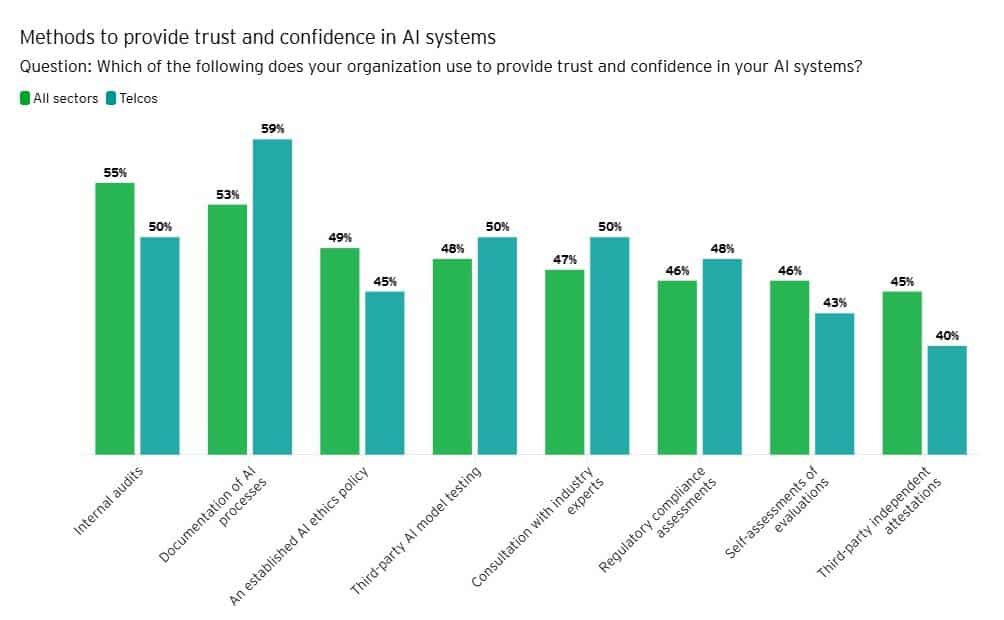
    The latest EY report, Top 10 Risks in Telecommunications for 2026, reveals that while AI’s integration into telecommunications presents significant opportunities, only 59% of telco professionals globally confirm they possess effective methodologies for managing AI risks. This is notably lower than the 66% average seen across all sectors.

    Methods to provide trust and confidence in AI systems
    Source: EY Responsible AI Survey, June 2025
    Joongshik Wang

    The report notes that many telecom companies are ill-prepared for the burgeoning cyber threat landscape.

    Joongshik Wang, EY ASEAN technology, media & entertainment and telecommunications leader, asserts, “For telcos, responsible AI is about trust as much as it is about compliance. As operators in Southeast Asia embed AI into network optimisation and customer engagement, transparency and accountability become critical.”

    The second-highest risk identified in the report concerns ineffective transformation through new technologies. Despite the potential of AI, many telcos struggle to implement successful frameworks.

    Wang noted that resource constraints and governance difficulties are primary obstacles: “In Southeast Asia, consumers now expect more reliable networks and integrated services. To meet these expectations, telcos must modernise their legacy systems and networks.”

    Talent management also emerges as a significant concern, ranking third in the risk assessment. The demand for skills related to cybersecurity, AI, IT infrastructure, and data science is escalating, driven by the need for specialised roles to support advancing technology. However, many telcos are finding it challenging to attract the necessary talent due to competitive salaries in other industries.

    The report also highlights a new risk: the impact of geopolitical tensions. With 22% of telco leaders citing geopolitical issues as a growth threat in 2025, companies must navigate the complexities of global trade disputes and market uncertainties.

    “The geopolitical environment brings both challenges and opportunities for telecom operators. The push for digital sovereignty can help telcos gain a competitive edge while managing the risks associated with evolving global dynamics,” concludes Wang.

    The telecommunications sector stands at a critical juncture. While the integration of AI and modern technologies offers immense potential, failure to address key risks related to security, transformation, talent management, and geopolitical uncertainties could hinder success.

    As telcos venture into 2026, a strategic focus on responsible AI, workforce development, and adaptation to external pressures will be essential for sustainable growth.

  • Grow with SAP at core of Gulf Marine’s digital transformation strategy

    Grow with SAP at core of Gulf Marine’s digital transformation strategy

    Global marine lubricant supplier Gulf Marineannounced its adoption of GROW with SAP to enhance its digital transformation journey. This decision comes in response to the challenges posed by their previously fragmented system, which relied on traditional spreadsheets and disparate project management tools.

    The existing setup led to inefficiencies, including manual updates, limited visibility into inventory, and inconsistent data across the company’s global operations. As Gulf Marine expanded its footprint, the need for a unified digital foundation became critical to streamline processes and improve overall performance.

    The implementation of GROW with SAP has enabled Gulf Marine to standardise its operations, enhancing areas such as order fulfilment, financial reporting, inventory management, and supply chain planning. Joey Chua, director of Digital and IT Transformation at Gulf Marine, highlighted the necessity for a connected and scalable solution to support the company’s growth and operational excellence.

    Since the integration of GROW with SAP, Gulf Marine has reported several operational benefits. These include a 30% improvement in on-time delivery rates, attributed to the integration of predictive material requirements planning (MRP) that optimises resource schedules and material flow. Furthermore, customer satisfaction has increased by 15% due to more reliable order fulfilment and accurate pricing across various channels.

    Financial efficiency has also seen a boost, with the company achieving up to a 5% reduction in finance costs through streamlined processes and enhanced visibility. Additionally, operating income has improved by 10-15%, enabled by a unified source of truth for unit costing and profitability analysis.

    The move towards digitalisation is consistent with broader trends in Asia, where companies are increasingly seeking integrated systems to navigate the complexities of global operations. According to recent research, digital transformation initiatives can lead to significant improvements in operational efficiency and customer engagement, making them a priority for COOs across the region.

    As Gulf Marine continues to expand and evolve, the adoption of GROW with SAP positions the company to leverage data-driven insights and foster innovation. This strategic approach not only enhances resilience but also prepares Gulf Marine for future challenges in an increasingly competitive landscape.

  • The COO as transformational leader and business enabler

    The COO as transformational leader and business enabler

    In the rapidly evolving landscape of financial services, the Chief Operating Officer (COO) has become increasingly pivotal, particularly in driving digital transformation initiatives. Rosalind Ng, COO of Wealth & Retail Banking at Standard Chartered, exemplifies how this role can facilitate significant organisational change while also addressing the challenges and opportunities for women leaders in senior positions.

    The COO as a business enabler

    Ng sums the essence of the COO’s role in 2025 as a “business enabler,” responsible for translating business strategy into operational reality through digital transformation.

    “I see the role of a COO as bringing together process, data, technology, operating model and capability considerations in digital transformation to drive balanced outcomes in client experience, risk effectiveness and productivity leading to sustainable growth.” Rosalind Ng

    This holistic approach is crucial as organisations navigate the complexities of modern banking, where customer expectations and technological advancements are constantly shifting.

    A journey from law to leadership

    Ng’s journey to the COO role is a testament to the diverse pathways that can lead to senior leadership. Initially trained as a lawyer, she transitioned to the COO position in 2016.

    Reflecting on her experience, she notes, “The learning curve in my first six months was steep as I switched from being a specialist in one area to managing a broader scope including client experience, productivity, operations, change and transformation, regulatory engagement.”

    This transition required not only a shift in mindset but also the development of learning agility, a critical skill for any COO. Ng emphasises that while a COO may not be a specialist in every area, having a comprehensive view of the organisation is essential.

    The impact of gender diversity on performance

    Ng strongly believes in the positive correlation between gender diversity at the C-suite level and organisational performance. She explains, “When executive teams are comprised of unique individuals, they bring diverse perspectives, experiences, and approaches to tackling challenges and opportunities.”

    Rosalind Ng

    “Personally, I love it when I get to participate in authentic and healthy debates where there is a mix of leadership styles, diverse insights and out-of-box thinking. I truly believe this results in more balanced and thoughtful strategies and distinctly creative solutions that drive business performance.” Rosalind Ng

    This diversity fosters an environment where “authentic and healthy debates” can occur, leading to more balanced strategies and innovative solutions. At Standard Chartered, the commitment to gender diversity is evident, with women in senior leadership roles increasing from 25% in December 2016 to 33.1% in December 2024.

    Ng highlights that 43% of the Management Team and 45% of all colleagues are women, showcasing the bank’s dedication to fostering an inclusive workplace.

    Challenges faced by women leaders

    Despite the progress, Ng acknowledges the challenges women face in ascending to senior leadership roles. As a mother of three teenage children, she has navigated the complexities of balancing family and work life.

    “I am fortunate that my children understand how my work gives me fulfilment in life,” she shares, indicating that a supportive family environment is crucial.

    Ng also credits Standard Chartered’s progressive policies, such as flexible working arrangements, which allow employees to balance their professional and personal lives effectively.

    “This holistic approach to wellbeing, alongside market-leading benefits like equalised parental leave and menopause-friendly policies, is a key differentiator for us as an employer of choice.” Rosalind Ng

    Creating inclusive pathways for women

    To foster an environment conducive to women’s advancement, Ng advocates for addressing systemic barriers within organisations. She reflects on her own career, noting that pivotal moments were supported by policies like flexible working and sponsorship for new roles.

    “Strengthening efforts to ensure a fair representation of high potential talent is critical for organisations seeking to develop a diverse talent pipeline,” she asserts.

     Standard Chartered’s ASCEND programme, aimed at nurturing women leaders in Technology and Operations, has already seen over 1,900 women participate as of December 2024, demonstrating a commitment to developing future female leaders.

    Future-ready skills for aspiring COOs

    For women aspiring to become COOs, Ng emphasises the importance of cultivating a blend of technical and soft skills. “The first skill required is being an all-rounded business leader,” she advises, highlighting the need for a strong understanding of business strategy, client needs, and commercial acumen.

    Additionally, she underscores the significance of digital literacy, change management, and risk management skills. “A COO’s role is to join all the dots in the organisation to make things happen,” she explains, reinforcing the need for a comprehensive skill set to navigate the complexities of modern business.

    “It is necessary to have a broad understanding of all risks emanating from business activity and how to manage those risks in a balanced manner.” Rosalind Ng

    Lessons to live by

    Ng’s insights illuminate the critical role of COOs in driving digital transformation and the importance of gender diversity in leadership. As organisations continue to evolve, the experiences and perspectives of women leaders like Ng will be essential in shaping inclusive pathways for future generations.

    By fostering an environment that supports women’s professional growth and embracing diverse leadership styles, companies can enhance their organisational performance and drive sustainable growth.

  • COO considerations when navigating digital transformation in 2025

    COO considerations when navigating digital transformation in 2025

    Despite recognising the complexity and risks that come with pursuing modernisation initiatives, digital transformation will continue in 2025 – if not accelerating even further.

    According to the EY Reimagining Industry Futures study, over half of Singapore businesses are investing in generative artificial intelligence (GenAI) (54%) and the Internet of Things (IoT) (62%), reflecting a robust appetite for emerging technologies. However, many organisations struggle to transition from pilot projects to full-scale implementation.

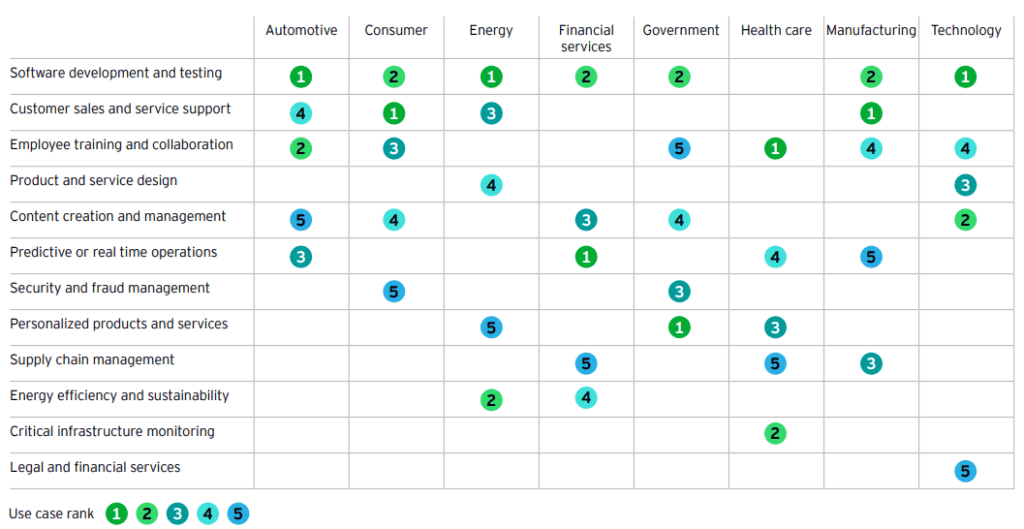
    Top 5 GenAI applications by sector

    Source: EY Reimagining Industry Futures Study 2025

    The challenge of implementation

    Despite significant investments, a staggering 77% of businesses in Singapore that are investing in GenAI remain at the proof-of-concept stage, with only 24% progressing to pilot projects. This gap highlights a critical challenge: while enterprises are eager to test new technologies, they often face integration hurdles that hinder broader adoption.

    Joongshik Wang

    “While enterprises are keen to invest in emerging technologies, many struggle to bridge the gap between pilot and full-scale implementation,” says Joongshik Wang, EY’s Asean Strategy and Execution Leader. This indicates that COOs must focus on developing clearer pathways for technology integration and demonstrating tangible return on investment (ROI).

    Navigating supplierecosystems

    The study also reveals a low level of awareness regarding ICT suppliers, complicating vendor selection for businesses. A significant 81% of respondents in Singapore express the need for a better understanding of the evolving supplier ecosystems. This lack of clarity can lead to difficulties in forming effective partnerships crucial for successful digital transformation. To address this, COOs should prioritise strategic relationships with suppliers that offer robust ecosystems and measurable business outcomes rather than merely focusing on cost advantages.

    Focus on measurable outcomes

    Interestingly, a third of Singapore respondents indicated that their ideal technology vendors should be able to provide measurable business outcomes rather than just technological benefits. This shift in focus illustrates the evolving expectations of businesses, with COOs needing to ensure that their suppliers can demonstrate clear value through their solutions. The ability to scale and integrate diverse technologies is also a top priority, as businesses look to reduce complexity and enhance operational efficiency.

    Supplier consolidation trends

    In light of these challenges, many enterprises are considering consolidating their vendor base, with 41% of Singapore respondents planning to reduce the number of ICT vendors they engage with over the next year. This strategy aims to improve security, compliance, and overall expenditure on technology suppliers.

    Wang emphasises the importance of ICT suppliers in digital transformation success, stating, “ICT providers must co-develop industry-specific solutions, strengthen ecosystem collaboration, and drive data-led strategies.”

    For COOs in Asia, 2025 presents both challenges and opportunities in the realm of digital transformation. By focusing on effective vendor partnerships, measurable outcomes, and strategic supplier consolidation, they can navigate the complexities of emerging technologies and drive their organisations towards sustainable growth. As the landscape evolves, the ability to adapt and innovate will be crucial for success in this digital age.

  • FSIs in APAC lead the world in AI investments in 2025

    FSIs in APAC lead the world in AI investments in 2025

    The recent Broadridge Digital Transformation and Next-Gen Technology Study highlights that 84% of firms in APAC are committing to moderate-to-large investments in AI, surpassing the global average of 80%. This strong commitment reflects the growing recognition of AI’s potential to enhance operational efficiency and improve customer experiences.

    “Firms that are still trying to drive transformation by bolting on point solutions are quickly starting to realise that there is a limit to how much they can accomplish before they address the fundamental flaws in their platforms,” said Jason Birmingham, Broadridge global head of engineering.

    Data harmonisation and operational efficiency

    As financial institutions increasingly adopt AI, data harmonisation has become a critical focus. The study indicates that 58% of APAC firms believe digital assets can significantly enhance operational efficiency, compared to 33% globally. This demonstrates the region’s proactive stance in integrating advanced technologies into mainstream financial systems. However, challenges remain, as 43% of firms report that regulatory compliance limits their ability to leverage customer data effectively for analytics or AI models.

    Chris Perry, president of Broadridge, emphasises, “With the right data management strategy, firms can break down silos and achieve the data quality needed to realise the potential of AI.” This strategic approach is essential for financial institutions aiming to navigate the complexities of digital transformation.

    “As financial services firms modernise their operations and move away from legacy systems, many are realising that the right data management strategy has the power to break down silos and achieve the level of data quality needed to realise the potential of AI and sustain prolonged digital transformation within their organisations.” Chris Perry

    Growing interest in GenAI

    While traditional AI adoption is high, the interest in Generative AI (GenAI) is also on the rise, with 49% of APAC firms feeling pressure to implement these technologies. However, GenAI remains in its early stages—only 65% of firms use it primarily for investment or market research. This presents an opportunity for financial institutions to harness GenAI’s capabilities for enhanced decision-making and improved customer engagement.

    Digital assets and blockchain investments

    APAC firms are also making substantial investments in digital assets and blockchain technologies. This year, 79% of APAC firms are investing heavily in blockchain and distributed ledger technologies (DLT), significantly higher than the global average of 71%.

    Nearly half (46%) of APAC firms believe that a significant portion of funds and assets will be tokenised in the next five years. This trend illustrates a forward-looking approach to integrating digital assets into financial systems, despite ongoing concerns regarding security and regulatory compliance.

    Legacy systems and customer experience challenges

    Despite advancements, many institutions face hurdles related to legacy technology. Over half (54%) of APAC firms cite outdated technology as a barrier to improving customer experience (CX). Additionally, 40% find it challenging to design from a customer-centric perspective. The reliance on traditional communication methods continues, with 57% of firms still using hardcopy communications, even when clients prefer digital solutions.

    As financial institutions in Asia Pacific navigate the complexities of digital transformation, the findings from the Broadridge study underscore a clear trend: significant investments in AI and digital assets are vital for achieving operational efficiency and enhancing customer experiences. By addressing data harmonisation, embracing GenAI, and overcoming legacy system challenges, APAC firms are positioning themselves for sustained growth and innovation in an increasingly competitive landscape.

  • PodChats for FuturCOO: How to become a great female chief digital officer

    PodChats for FuturCOO: How to become a great female chief digital officer

    Chief Digital Officers (CDOs) are pivotal in guiding organisations through digital transformation, aligning technology with business strategies to enhance competitiveness. As companies increasingly recognise the importance of digital leadership, women are making significant strides in CDO positions.

    Recent data indicates that women now represent approximately 20% of CDO roles, reflecting a positive trend towards gender diversity in technology leadership. This shift promotes inclusivity and leverages diverse perspectives, which is essential for driving innovation and success in the digital age.

    Shannon Bell, executive vice president and chief digital officer at OpenText, acknowledges that the future of business is defined by how it embraces digital transformation. “In my opinion, it means embracing digital tools and technologies that give advantages for companies to be able to compete effectively and grow in the competitive landscape,” she adds.

    The strategic role of the CDO

    CDOs connect technology to business needs, driving digital adoption and enhancing customer experiences. Bell states, “I think about it in terms of improving customer experience.” This focus on customer-centric strategies sets CDOs apart from other roles, such as transformation or technology officers, who may concentrate more on technology strategy and innovation.

    In an era where customer expectations continuously evolve, companies must offer seamless and personalised experiences. As Bell points out, “Customers want to be met in their channel of choice,” which can vary widely based on demographics and buying habits. By leveraging digital tools, CDOs can help organisations meet these expectations, enhancing customer satisfaction and loyalty.

    The globalisation factor

    Another critical aspect of the CDO’s role is addressing globalisation and market reach. Digital technology enables businesses to transcend geographical barriers, allowing them to tap into new markets and customer bases.

    Bell highlights the importance of the internet, social media, and e-commerce in facilitating this global reach. “Digital also drives operational efficiency,” she notes, underscoring how automation and self-service options contribute to cost reduction and improved service delivery.

    Additionally, the rise of remote work has made digital transformation even more essential. As organisations adapt to new working methods, the CDO is crucial in integrating technology to support flexible work arrangements.

    Gender diversity in leadership

    While the growing presence of women in CDO roles is commendable, it raises crucial questions about women’s systemic barriers in advancing their careers. Bell acknowledges that challenges can be regional and culture-specific, often rooted in perceptions of women’s roles in the workplace.

    One significant hurdle is the work-life balance, particularly in high-demand technology roles. Bell shares her personal experience, stating, “I’m a mother, and I openly admit it can be a challenge to find balance.” This challenge is compounded by societal expectations regarding women’s responsibilities at home, which can discourage them from pursuing leadership roles.

    Education and skills gaps also contribute to women’s underrepresentation in CDO positions. Bell points out that the CDO role often requires strong technical expertise, including data analytics and digital strategy knowledge. While there is growing support for women in STEM fields, historical disparities have impacted the number of women entering these areas.

    The Importance of corporate culture

    Corporate culture significantly influences women’s progress to leadership positions. Bell stresses the need for a supportive work environment that offers flexible arrangements and promotes mentorship. “Organisations with a culture that fosters that mentorship and sponsorship can help women gain guidance, resources, and access to roles,” she asserts.

    Mentorship plays a crucial role in developing future leaders. Bell’s experience is telling; she notes, “I’ve never had a female mentor in my life,” highlighting the need for more female role models in the tech industry. However, she acknowledges the value of male mentors who have supported her career, demonstrating that mentorship can transcend gender.

    Leveraging diverse backgrounds

    Women transitioning into CDO roles from marketing or customer engagement backgrounds can leverage their unique perspectives to enhance customer-centric strategies. Bell emphasises the importance of connecting business context to technology, stating:

    Shannon Bell

    “People coming into this type of position from more of a marketing or customer experience background bring that naturally.” Shannon Bell

    To succeed in CDO roles, aspiring leaders must also develop technical competence in artificial intelligence, data, and cloud technologies. Women can be strong candidates for CDO positions by combining their understanding of customer needs with technical knowledge.

    The role of female role models

    Female role models in the tech space are crucial for inspiring the next generation of women leaders. Bell observes, “I think we’re getting to a much better place in terms of having female role models we can look up to.” These role models inspire confidence and reinforce the belief that leadership roles are attainable.

    Organisations can further support this by creating environments that celebrate diversity and inclusion. As Bell notes, “Diversity matters. And I think it’s important to see in leadership.” This representation can motivate women to pursue leadership roles and advocate for advancement.

    The future

    The Chief Digital Officer role is instrumental in guiding organisations through the complexities of digital transformation. As companies increasingly recognise the value of diversity in leadership, women CDOs are emerging as key players in this evolution.

    Organisations can empower women to thrive in leadership positions by addressing systemic barriers, fostering supportive corporate cultures, and promoting mentorship.

    As we move further into the digital age, the contributions of women in CDO positions will be vital in shaping the future of business. By harnessing their unique perspectives and expertise, organisations can navigate the challenges of digital transformation and foster a culture of inclusivity and innovation.

    Click on the PodChat player to hear Bell’s perspective on women CDOs and how they lead the digital transformation charge of organisations in Asia and worldwide.

    1. The future of many businesses today is defined by the extent to which they embrace digital. In your view, why is this so? Why are organisations being driven to become more digital?
    2. In this digital-first society, what qualifications and qualities make for a successful chief digital officer (CDO)? Do you see an overlap between the roles of a CDO and that of a Chief Transformation Officer? How about the Chief Technology Officer?
    3. In your view, are women better suited to be CDOs than their male counterparts? [Please elaborate]
    4. What systemic barriers do women face in advancing to CDO positions within Asian companies?
      1. What role does corporate culture play in facilitating or hindering women’s progress to CDO roles?
    5. How can women leverage their marketing and customer engagement backgrounds to transition into CDO positions?
    6. How important are female role models in the tech space for aspiring women leaders?
    7. What is your advice for women aspiring to become leaders? Likewise, what is your advice for male leaders in support of future women leaders?
  • Asia’s construction industry: Embracing innovation amid evolving challenges

    Asia’s construction industry: Embracing innovation amid evolving challenges

    As the construction and civil engineering sector in China and Hong Kong undergoes rapid digitalisation, industry leaders are harnessing advanced technologies to enhance efficiency and collaboration. This transformation is crucial for addressing pressing challenges such as labour shortages and sustainability.

    Current landscape of the construction industry

    In mainland China, the construction industry has witnessed remarkable growth over the past three decades. However, as Sankar S. Villupuram, director and East Asia Digital Services Leader at Arup, recalls, “During the pandemic, countries increased infrastructure investments; however, most of the major markets have not yet recovered after COVID.”

    This situation has resulted in a surplus of residential properties, yet fewer investors, leading to a significant shift within the industry. The repercussions of these changes are felt across various stakeholders, including consultants, contractors, and civil engineers.

    In Hong Kong, recent reports indicate that while there was a surge in construction activity during the pandemic, many sectors are still grappling with its aftershocks. The Hong Kong Construction Industry Council has underscored the ongoing need for infrastructure investment, emphasising that recovery remains challenging for many firms.

    The digital shift in construction

    Historically, the construction industry in Asia has been slow to adopt new technologies. However, recent trends indicate a significant shift towards digital solutions. According to a report by McKinsey & Company, the construction sector in Asia is projected to grow by 6% annually over the next five years, largely driven by digital innovation.

    Villupuram emphasises that “the integration of digital tools is not just about keeping up with global trends; it’s about survival in an increasingly competitive market.”

    Data standardisation and productivity

    As the industry adapts to these changes, effective data management becomes paramount.

    “Mature organisations leverage data analytics to discover answers through a process-driven approach, while emerging companies often seek answers before conducting analytics.” Sankar S. Villupuram

    This highlights a critical challenge: the need to make sense of the vast amounts of data available.

    A successful data standardisation process involves transforming raw data into actionable insights. Villupuram cites the example of Hong Kong Airport, which aspires to become a data-driven entity.

    “The key is transforming data into actionable insights through comprehensive analysis,” he emphasises. This focus on data-driven decision-making is essential for organisations aiming to enhance productivity and collaboration across departments.

    Addressing labour shortages

    One of the most pressing challenges facing the construction industry is a shortage of skilled labour. Villupuram points out that the traditional workforce model is no longer sustainable. As populations age and younger generations seek different career paths, the industry must adapt. Digitalisation offers a solution by automating repetitive tasks and enhancing productivity.

    Villupuram highlights the shift in education towards interdisciplinary programmes that combine practical skills with technical knowledge. “Skill development is crucial,” he states, pointing to initiatives like the Vocational Training Council (VTC) in Hong Kong, which prepares individuals for industry demands.

    For instance, Building Information Modelling (BIM) has become a cornerstone of modern construction practices, allowing for better project visualisation, improved collaboration among stakeholders, and more efficient resource management. Villupuram noted, “BIM not only streamlines processes but also reduces errors and rework, which are costly in both time and resources.”

    Sustainability through technology

    Sustainability is another critical concern for the construction sector. The increasing urgency to address climate change has prompted many companies to rethink their approaches to building design and construction methods.

    Sankar S. Villupuram

    “Sustainable practices are no longer optional; they are essential for the future of our cities.” Sankar S. Villupuram

    Innovations such as modular construction and 3D printing are gaining traction, as they reduce waste and lower carbon footprints. Additionally, data analytics plays a vital role in optimising energy use throughout a building’s lifecycle. By leveraging these technologies, companies can create structures that are not only environmentally friendly but also economically viable.

    The role of collaboration

    Collaboration is key to successful project delivery in the construction industry. Villupuram emphasises the importance of breaking down silos between different stakeholders—architects, engineers, contractors, and clients. “Digital platforms facilitate real-time communication and collaboration,” he explains. This interconnectedness leads to better decision-making and more cohesive project outcomes.

    Arup has been at the forefront of developing collaborative tools that integrate various aspects of project management. These tools enable teams to share information seamlessly, track progress, and address issues promptly. Villupuram remarks that when everyone is on the same page, projects run more smoothly, leading to increased client satisfaction.

    Innovations driving change

    Several recent innovations are making waves in the Asian construction landscape:

    • Artificial Intelligence (AI): AI is transforming how projects are planned and executed. From predictive analytics that forecast project risks to AI-driven design tools that optimise building layouts, the potential applications are vast. Villupuram opines, “AI can analyse vast amounts of data quickly, providing insights that humans might overlook.”
    • Drones and Robotics: Drones are being employed for site surveys and inspections, significantly reducing the time required for these tasks while enhancing safety. Robotics is also making its mark, with automated machinery taking on dangerous or monotonous tasks on-site. Villupuram believes these technologies not only improve efficiency but also protect workers from hazardous conditions.
    • Virtual Reality (VR) and Augmented Reality (AR): VR and AR technologies are revolutionising how stakeholders interact with projects before they break ground. These immersive tools allow clients to experience designs in a virtual space, providing valuable feedback early in the process. “This level of engagement helps align expectations and reduces costly changes later on,” Villupuram explains.

    The future of construction

    Looking ahead, digital transformation will continue to shape the construction landscape in Asia. Optimistic about the future, Villupuram remarks, “The potential for innovation is limitless. As we embrace new technologies, we will not only enhance our efficiency but also create more sustainable and resilient built environments.”

    The construction industry must remain agile and open to change if it hopes to thrive amid evolving challenges. By harnessing advanced technologies and fostering collaboration among stakeholders, companies can position themselves at the forefront of this transformation.

    For Villupuram, digitalisation is not just a trend; it’s a fundamental shift that will define the future of the construction industry. As the industry navigates this new landscape, embracing innovation and adaptability will be essential for achieving long-term success and addressing the pressing challenges of the future.

  • Digital to drive the future of retail in ASEAN and Hong Kong

    Digital to drive the future of retail in ASEAN and Hong Kong

    As the retail sector in Hong Kong and the ASEAN markets continue to recovery, technology is set to play a pivotal role in driving innovation and enhancing consumer experiences. With a diverse consumer base and increasing demand for personalised shopping journeys, retailers must leverage advanced technologies to stay competitive.

    In ASEAN, particularly in markets like Vietnam and Thailand, retailers are embracing digital transformation to cater to younger, tech-savvy consumers. According to the CBRE report, “Younger generations are typically more receptive to new brands and ideas,” which underscores the need for retailers to adopt innovative technologies that resonate with this demographic. E-commerce platforms, augmented reality (AR), and artificial intelligence (AI) are becoming essential tools for engaging customers and creating immersive shopping experiences.

    In Hong Kong, the integration of technology remains crucial in the industry’s road to recovery. The report highlights that “retailers are expanding their product lines, especially lifestyle-related goods,” indicating a shift towards experiences that go beyond traditional shopping. Innovations such as smart mirrors and virtual fitting rooms are gaining traction, allowing consumers to try products virtually before making a purchase. This technology not only enhances customer satisfaction but also reduces return rates, a significant concern for retailers.

    Moreover, the use of data analytics is transforming how retailers understand consumer behavior. “Social media enables more direct and in-depth customer engagement,” the report states, emphasising the potential of platforms like TikTok and Instagram for brand awareness and customer interaction. Retailers can harness this data to tailor marketing strategies and product offerings, ensuring they meet the evolving preferences of their audience.

    In addition to engaging consumers, technology is also reshaping operational efficiencies within the retail sector. Automated inventory management systems and supply chain innovations are enabling retailers to respond swiftly to market demands. As noted in the report, “The availability of high-quality retail space makes it easier to implement new concepts and experiences,” encouraging landlords to invest in tech-ready environments that facilitate these innovations.

    As ASEAN and Hong Kong navigate the complexities of the modern retail landscape, the integration of technology will be crucial for driving growth and maintaining relevance. Retailers who embrace these advancements will not only enhance their operational capabilities but also create memorable experiences that captivate today’s discerning consumers.

  • Industry 4.0 holds the key to unlocking manufacturing in SEA

    Industry 4.0 holds the key to unlocking manufacturing in SEA

    ABI Research says digital transformation investment in Industry 4.0 solutions by Southeast Asian manufacturers is expected to grow steadily to reach US$301.6 billion in 2028, marking a 32.9% CAGR.

    With most Southeast Asian manufacturers still in the early stages of digital transformation, this growth in spending will significantly improve the efficiency and impact of manufacturing in the region, with the share of manufacturing factories that have implemented smart solutions growing from 6.3% currently to 32.8% by 2028 (representing an average year-on-year growth of 31.6%).

    Benjamin Chan

    “Thailand, Malaysia, and Singapore are currently leading the way for digital transformation among manufacturers and are expected to continue for the next five years. Successful implementations and demonstrations of improved efficiency and Operational Cost Savings (OCS) because of these deployments will catalyse greater digital implementation in the manufacturing sector across the Southeast Asian region,” explains Benjamin Chan, a research analyst at ABI Research.

    Chan says this represents an attractive opportunity for key industry players, such as System Integrators (SIs) and technology vendors, which are keen to tap into the growing interest in smart manufacturing solutions in the region.

    Industry 4.0 solutions in today’s manufacturing sector integrate and implement a significant network of interconnected solutions and systems, such as Industrial Internet of Things (IIoT), low-latency 5G-enabled monitoring devices, Artificial Intelligence (AI) and Machine Learning (ML) modules, and other solutions that include but are not limited to data analytics, robotics, and worker enablement.

    With the growing appetite for AI-based solutions and data analytics in manufacturing processes, implementing effective solutions directly targeted at identified operational pain points will be a key driver to incentivize smart solution spending.

    By capitalizing on various analytical outcomes based on data, manufacturers can leverage a wide range of Industry 4.0 solutions that exponentially increase productivity and OCS. Some successful case examples include Smart Automation Manufacturing with Mitsubishi Electric in its e-F@ctory Thailand facilities.

    Additionally, technology solutions providers like Groundup.AI have demonstrated adaptability by providing retrofitted AI-powered sound sensors in traditional manufacturing equipment used in Singapore, Malaysia, and Vietnam. This proves that the Southeast Asian market can be untapped for innovators looking to introduce disruptive technologies into the manufacturing sector.

    Chan believes that the general digital maturity of the Southeast Asian manufacturing industry while improving, is still comparatively low. “However, even though digital transformation has yet to become prevalent in Southeast Asia, enterprises and businesses will overcome the inertia as more innovators and innovative companies lead the way in unlocking demand for smart manufacturing. If they do not, manufacturers in North-East Asia and the USA will leave them in their wake,” he concluded.

  • IDC weighs in on future DX spending patterns

    IDC weighs in on future DX spending patterns

    IDC forecasts global spending on digital transformation (DX) will reach almost US$4 trillion in 2027.

    With artificial intelligence (AI) and generative AI pushing investments, the DX market is forecast to grow with a compound annual growth rate (CAGR) of 16.2% over the 2022-2027 period.

    As organizations continue to prioritize digitalization, DX investments are projected to grow substantially, potentially reaching or even surpassing two thirds of all Information and Communication Technology (ICT) spending by 2027.

    Angela Vacca

    “Digital transformation is no longer a discretionary investment: companies that want to be competitive and win in the digital economy are leading the way,” said Angela Vacca, senior research manager with IDC’s Data & Analytics Group.

    She observes that DX spending represents a bigger market compared to the non-DX portion of ICT spend. And digital business investments are ramping up even faster with the advent of Generative AI which is having an impact across industries; still, opportunities are varied across different market spaces.

    Industry activities

    The financial services industry is growing at a very fast pace with a five-year CAGR of 20.5% and three use cases that are growing well above the average rate. Robotic Process Automation-Based Claims Processing is the fastest-growing use case with a CAGR of 35.1%, followed by real-time financial advice (29.5%) and digital banking experience (29.3%).

    These use cases have something in common: all three are highly data intensive and rely heavily on AI, generative AI, and data and analytics technologies. The huge advances that financial institutions are employing are transforming their organisations into more effective, more customer-centric organisations that can respond more rapidly to changing customer demand and to a fast-moving macroeconomic environment.

    The industry that will see the largest DX investments over the 2022-2027 forecast period is Discrete Manufacturing with worldwide spending of almost half a trillion dollars in 2024. This spending will grow to more than $700 billion dollars in 2027 with Omni-Experience Engagement and Sustainability being the strategic priorities that are growing at the fastest pace among discrete manufacturing companies.

    China is one of the fastest-growing regions in the world with a five-year CAGR of 17.4%, according to IDC.

    Jinh Qiang

    “China is entering an era where AI is omnipresent in the digital transformation of business. Supported by various digital-friendly policies, Chinese companies are concentrating on new forms of productivity, leveraging cutting-edge technologies to drive industrial advancement, intelligence, and sustainability,” said Jing Qian, market analyst with IDC’s Data & Analytics Group China.

    Mariya Yahnyuk

    “The rise of Gen AI presents both challenges and opportunities for organisations. As digital investments become dominant, it is crucial for organisations to partner with vendors who can provide guidance on resource allocation and effective digital transformation strategies. To stay competitive and innovative, it is essential to harness its potential benefits and avoid missing out on opportunities due to uncertainty,” said Mariya Yahnyuk, research analyst with IDC’s Data & Analytics Group.

  • Smart manufacturing trends in Asia beyond 2024

    Smart manufacturing trends in Asia beyond 2024

    On the face of it, Asia remains a manufacturing hub to the world, even as governments in regions like North America and Europe look to spruce up local capabilities.

    Forrester vice president and principal analyst, Paul Miller, says manufacturing sites in Asia are affected by two shifts: lower-cost manufacturing moves from China to other countries in the region as Chinese wages rise, while some Chinese manufacturers are successfully moving from low-cost manufacture of other companies’ products to making their higher-value finished goods.

    Asia can no longer rely solely on low labour costs as a competitive advantage. Praveen Hariharan, IBM Consulting partner and sector leader for industrial & distribution, and sustainability in ASEAN, says advancements in technology, robotics, artificial intelligence (AI) and automation are also reducing dependency on labour cost as an arbitrage and the broad levers of competitive advantage could change in the coming years. 

    The Covid-19 pandemic may have revealed weaknesses in the supply chain, digitalization or modernisation by some manufacturers has shown that it is possible to rise above disruptions successfully.

    Shashank Luthra, vice president for Southeast Asia at AVEVA, asserts that while manufacturers may diversify their supply chains, the Asian region is likely to remain the world’s manufacturing hub.

    Responses to changing market dynamics

    Asked how manufacturers in Asia are responding to changes in market forces, Hariharan says manufacturers have increasingly infused technology in their operations while focusing on optimising costs and improving the quality of their products.

    “To stay on top of their game, many have also invested in sustainability initiatives, providing their global buyers a more transparent and open view of these practices, and forged innovative partnerships with both their ecosystems and academia,” he continued.

    Forrester’s Miller observes that successful manufacturers are keen to shift from low-cost supply of commodity components to more profitable – and defensible – product offerings that (as in Europe and North America) increasingly combine physical products with digital services.

    Strategies that work

    IBM’s Hariharan opines that to maintain their competitiveness and overcome today’s challenges, manufacturers have had to make agility and adaptability their top priorities.

    Luthra suggests that manufacturers develop a roadmap to guide their adoption journey. “We often recommend starting with building out an industrial information infrastructure for a single source of truth,” he continued.

    Shashank Luthra

    From there, he suggests that manufacturers can accelerate value creation by incorporating suitable solutions into engineering and operations. “Next, employees must be enabled to make data-driven decisions with information and insights through a single-pane-of-glass. Lastly, information sharing with partners and suppliers can foster collaboration within and beyond the organisation,” he added.

    Favoured technologies

    Forrester’s Miller believes that no single technology is going to transform manufacturing in Asia, but several do deliver value.

    Chiming in on the topic, Hariharan the manufacturing bases are now looking at connected IoT devices leveraging cognitive capabilities to align workflows and processes. “This moves them up the curve towards being intelligent manufacturing plants,” he added. He agrees with Miller that smart plants are bringing together combinations of robotics, IoT, edge computing, AI, cloud, 5G and digital twins to transform their operations.

    Praveen Hariharan

    “They are realising that there needs to be a combination of IT & OT skills and there is growing convergence between the two, especially in aspects of cybersecurity and hybrid cloud-led transformation.”

    Praveen Hariharan

    All these efforts are geared towards achieving resiliency and efficiency, opined Luthra. He stressed that to fully realise the full transformative potential of digitalisation, a unified strategy driven by insights and intelligence, needs to be in place.

    “Having an industrial intelligence platform that helps you bring together all these technologies can future-proof operations, unlock efficiencies and drive greater sustainability. Moreover, it can boost collaboration across the ecosystem — a key facet of the transformation,” he added.

    Leading the modernisation of manufacturing

    IDC says companies are going through massive cultural changes, with the role of manufacturing operations transforming from key enablers of the fulfilment process to key enablers of business transformation and reinvention.

    However, companies are finding themselves with so much available technology that they cannot even identify the right business cases. Instead of inadequate technology, they face the problem of inadequate business, IT, and digital strategy definitions, observes the analyst.

    To succeed, Forrester’s Miller says the modernisation and digitisation of manufacturing must be owned from the top. The CEO and (for public companies) the board need to set the vision, own the vision and drive the vision throughout the company.

    Paul Miller

    “It’s too complex – and important – to be done any other way. It also touches a lot of roles, across IT, OT (operational technology) and the wider business, meaning that many different executive functions will need to play their part.”

    Paul Miller

    Luthra acknowledges that the digital transformation of manufacturing operations can be challenging, with enterprises often lagging on technology adoption until maturity – leaving benefits untapped and advantages wasted.

    He suggests that manufacturers appoint a Chief Digital Officer (CDO) to oversee research and implementation efforts. “It is important to note that this transformation is an undertaking that the entire organisation needs to commit to – not just by one individual,” he continued.

    “While the CDO leads the initiative, the CEO and leadership team need to actively encourage support and buy-in from across the organisation, particularly from manufacturing operations leaders who stand to benefit directly from this transformation,” concluded Luthra.

  • Voice of the manufacturing manager

    Voice of the manufacturing manager

    “The manufacturing landscape is changing. Supply chain disruptions, workforce shortages, shifting costs, and other factors are impacting operations and changing business strategies by the day,” says Kerrie Jordan, vice president of product management and data platform at Epicor Software.

    A survey of 400 manufacturing leaders on their thoughts around technology, business strategies, workers, and industry, and reveals several important trends that may influence how manufacturers will forge ahead in 2024:

    Key takeaways on technology include:

    • 67% of manufacturers are embracing a data-first strategy.
    • 61% of manufacturers are heavily embracing automation.
    • 49% of self-described modern manufacturers are employing AI.

    Key takeaways on the workforce include:

    • 77% of manufacturing leaders say their company is prioritizing upskilling.
    • 60% of manufacturing leaders anticipate increasing budgets for hiring new talent.
    • 44% of manufacturing leaders say that turnover has remained the same at their organization.

    Key takeaways on priorities and challenges:

    • The biggest priority for manufacturing leaders is quality control.
    • The biggest daily challenge for manufacturing leaders is hitting product targets.
    • Another big challenge is ensuring workplace safety and compliance.

    These insights can help manufacturers benchmark themselves against their peers and help them navigate the many evolving challenges, opportunities and unpredictable futures that lie ahead.

    Click on the link to download this report to help you guide your strategies in the coming years.

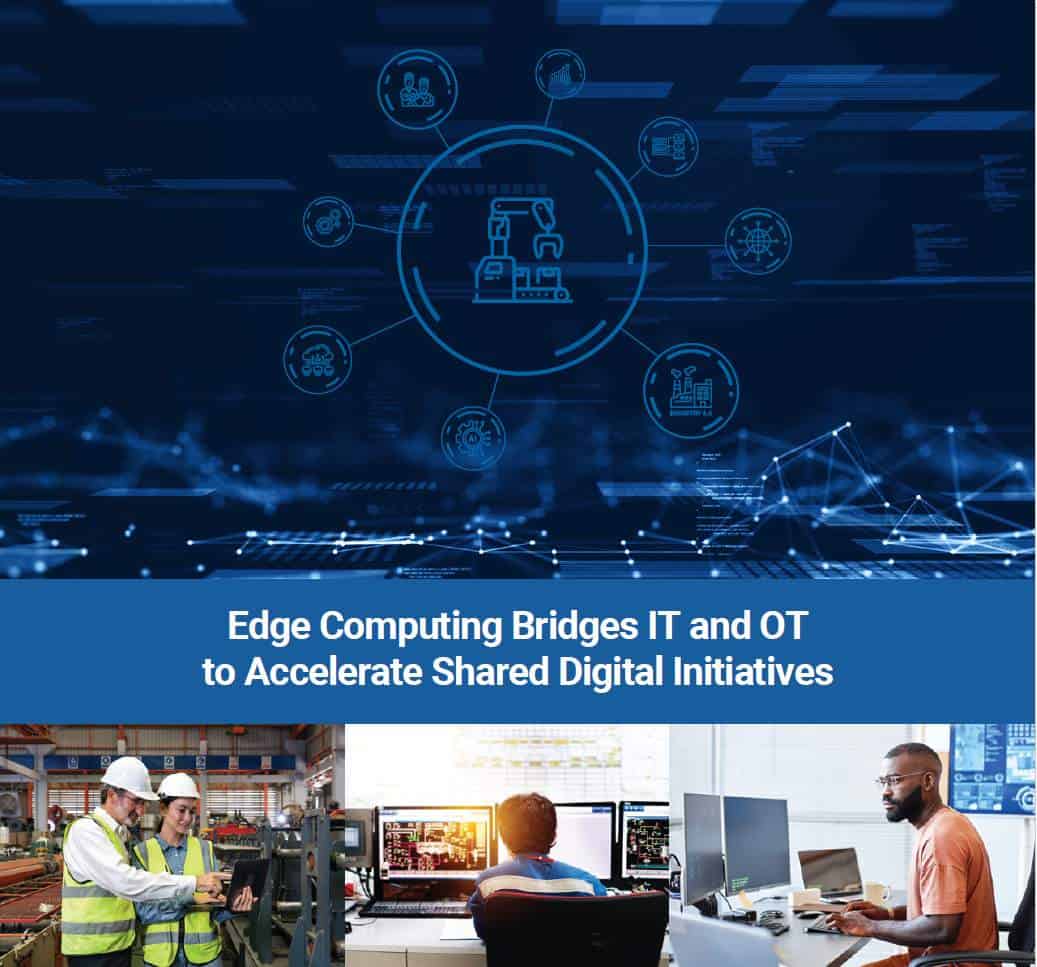
  • Edge Computing bridges IT and OT to accelerate shared digital initiatives

    Edge Computing bridges IT and OT to accelerate shared digital initiatives

    The worlds of information technology (IT) and operational technology (OT) are converging. IT teams are being brought in to support the evolving demands of digital transformation in the OT space, which bring complexities to the forefront due to changing OT environments and changing IT standards.

    “80% of organizations have begun, but have not yet finished, their IT/OT convergence journey. These findings matched polling from a 2023 Stratus and Frost & Sullivan webinar where 77% of live attendees reported that their organizations were only partially converged.” Sebastián Trolli, analyst, Frost and Sullivan

    By leveraging reliable and scalable Edge Computing platforms, many organizations have found success addressing these complexities while converging IT and OT operations, especially with the following:

    • Managing and integrating vast amounts of data
    • Improving cybersecurity measures
    • Providing an IT landing zone in the OT environment
    • Improving uptime and fault tolerance
    • Enhancing manageability and serviceability

    Click on the link to download the paper.

  • Partnership to tackle industrial DX and energy transition efforts

    Partnership to tackle industrial DX and energy transition efforts

    Samotics, a provider of real-time actionable insights to eliminate industrial energy waste and unplanned downtime, has partnered with Partners in Performance, a global player in driving operational excellence for complex organizations, to deliver enhanced condition monitoring and energy efficiency services to key global industries, enabling digital transformation and improved performance.

    The focus of this partnership will be delivering asset health and energy efficiency insights to a broader audience of industrial players. Its initial target industries are oil and gas and water and wastewater sectors in key global markets, including the US and Australia.

    Samotics’ SAM4 technology supports global industrial players to monitor the performance and efficiency of critical assets. SAM4 is a proven, scalable solution, already helping over 100 customers on five continents to make data-driven decisions and improve performance.

    It solves a significant challenge for industrial organizations, including those in water, steel and chemicals, by enabling the remote capture of high-quality performance and efficiency data for assets in hard-to-reach, submerged and hazardous locations.

    Peter Mann

    According to Peter Mann, a director at Partners in Performance, the partnership will allow it to help its global clients improve asset performance while accelerating their energy transitions since they have a safe and effective way of identifying energy-inefficient equipment.

    “With their (Samotics) machine learning algorithms in our arsenal, we can help increase operational efficiency, reduce maintenance costs, all the while creating safer working environments for people by identifying potential issues before they can become a hazard,” he continued. 

    This makes it an attractive offering for Partners in Performance industrial client base, who are looking for an end-to-end solution to support their digital transformation and energy transition efforts.

    Jasper Hoogeweegen

    Jasper Hoogeweegen, CEO at Samotics said: “Our SAM4 technology is already delivering significant value to industries, helping to identify developing faults and meet carbon reduction goals. With our joint commitment to solving reliability and energy efficiency challenges, Partners in Performance is a great partner to help scale global adoption of our proven technology and bring these benefits to more organizations around the world.”

    Two unique solutions from SAM4

    SAM4 Health analyses current and voltage signals of electric-driven equipment such as motors and pumps to detect electrical and mechanical faults.

    Using electrical signature analysis (ESA) and machine learning, SAM4 Health offers superior fault detection accuracy, detecting over 90% of failures up to five months in advance.

    Used to continuously monitor industrial equipment efficiency, SAM4 Energy provides detailed performance and efficiency insights to identify where energy consumption, cost and efficiency losses are largest and implement data-driven recommendations.

  • Digital transformation, not digital duplication

    Digital transformation, not digital duplication

    Digital transformation is all the rage. Using information and communications technology (ICT) to transform business processes is now a global phenomenon spanning industries and geographic regions.

    Organisations have set up their digitalisation departments and created positions such as the Chief Digital Transformation Officer. For guidance, many rely on consulting firms, which happily charge high hourly rates to develop “strategic digitalisation frameworks.”

    Many companies start their digital transformation by buying software: Laboratory Information Management (LIMs) systems for R&D, for example, or manufacturing execution systems for factories, plus various types of customer service software.

    But what does all this software do? Captures data from business practices, sure. Makes it all permanent, accessible, and sharable – yes.

    But will it fundamentally change business practices? Will it, as the consultants like to say, add value to the final product or service?

    Too often, digital transformation is an easy sell that does little (or nothing) to change the status quo.

    What are we trying to transform?

    Digital transformation is frequently confused with digitisation, but they’re not the same thing.

    Digitisation is simply converting information into a digital format. This has value: it makes information easier to share, trace, and analyse.

    But digitalisation shouldn’t just be about going paperless. It’s a trajectory or path.

    That path starts with getting different elements of the business interconnected so that data becomes easier to collect. It culminates in the organisation’s acquiring better decision-making capabilities because of analysing the data it has collected.

    We believe that less than 5% of “digital solution companies” can deliver actual digital transformation. Most offer plain digitisation.

    So, what does the real thing look like?

    The strategic use of real-time data and wireless connectivity is key to transforming the way a warehouse is run. For example, Thingple’s electronic warehouse management system (E-WMS system), doesn’t just digitise warehouse stock data. It simplifies and replaces previous operational processes to track goods flowing into and out of a busy warehouse.

    Instead of physically searching for space in a large warehouse, operators need only view the 3D digital twin of a constantly updated stockpile in the warehouse to find vacant slots.

    With real-time data on hand, an artificial intelligence (AI) system directs forklift operators to pick the right goods every time – and advises on the timely movement of goods to avoid expiry.
    Real digital transformation, in short, should lead to increased efficiency and productivity, fewer manpower requirements, less waste, and less human error.

    Digitalisation is about changing how business gets done

    Ironically, digital transformation isn’t really about technology. Rather, according to the MIT Sloan Management Review, it’s about “how technology changes the conditions under which business is done, in ways that change the expectations of customers, partners, and employees.”

    And here’s the cruel truth: most digitalisation efforts fail – 84% of them, according to one estimate.

    Weighed down by the need for copious data entry, and hobbled by a lack of interoperability across platforms, most digitalisation projects don’t deliver the hoped-for transformative results.

    For that reason, we need to look at digitisation differently.

    Start with a clean slate and ask what’s the best digital tool for revolutionising your business operations. Can you leverage advances in sensor technologies, computing, automation, or AI to improve your operations – in ways that change the expectations of your customers?

    Since digital transformation’s purpose is to help improve businesses in meaningful ways, DX companies with deep industry insights/experience tend to offer better, more targeted solutions. Cloud infrastructure providers like Amazon Cloud or Huawei Cloud, for example, can partner with industry-specific solution providers to offer insightful value to industrial clients.

    The question should not be, “How do I digitise my company’s operations?” but, “How can I improve operations through technology? How to use tech to enhance efficiency, output, and added value?”

    So if you want to digitalise, start by figuring out how technology can help you do those things.

    Avoid digitisation – the mere conversion of paper into bits and bytes – and the adoption of digital technology for its own sake.

    First published on Transform by Huawei Technologies

  • NXpower Monitor gets AI-driven ESA from Samotics

    NXpower Monitor gets AI-driven ESA from Samotics

    Siemens Smart Infrastructure has integrated electrical signature analysis (ESA) from Samotics into NXpower Monitor. Using ESA and machine learning, Samotics provides real-time actionable insights to help global industrial companies eliminate industrial energy waste and unplanned downtime.

    This new capability leverages the ecosystem of Siemens Xcelerator, an open digital business platform that enables customers to accelerate their digital transformation easier, faster, and at scale.

    NXpower Monitor enables the visualisation and monitoring of electrical assets within electrical networks, providing health status, KPI calculation, energy monitoring, and monitoring of operational data from assets.

    This asset monitoring system enhances efficiency and risk management across the entire energy distribution network through continuous health monitoring, while simultaneously minimising CO2 emissions and OPEX.

    By integrating AI-powered ESA technology, Siemens broadens its application to include the monitoring of AC motors and rotating equipment, all accessible through a single pane of glass.

    “The digitalisation of energy distribution, automation systems, and networks brings many advantages,” says Stephan May, CEO of electrification and automation at Siemens Smart Infrastructure.

    He added that not only does it lead to substantial savings in terms of time and money, it also significantly boosts efficiency and reliability.

    “By adding Samotics to Siemens Xcelerator, our open ecosystem of certified partners, customers can benefit from an expanded offering. This reflects our continued innovation efforts, including the integration of advanced low voltage analysis into our digital caretaker NXpower Monitor,” said May.

    The integration of ESA technology enables NXpower Monitor to conduct real-time analysis of high-quality current and voltage data, enabling the detection of electrical and mechanical faults up to five months before downtime happens. The system is also able to deliver comprehensive performance and efficiency insights, pinpointing areas with the highest electricity consumption, cost, and efficiency losses.

    By implementing data-driven recommendations, organisations can optimise operational processes, significantly reducing energy waste and cutting CO2 emissions by up to 15%.

    Samotics CEO Jasper Hoogeweegen says: “Unplanned downtime and energy waste are among the most expensive problems in the industry. Traditional monitoring technologies do not adequately address these issues.

    He explains that through partnerships with forward-thinking organisations such as Siemens, customers are benefiting from ESA technology that delivers real-time, actionable information about the condition, performance, and energy efficiency of critical rotating equipment. “This helps our clients to effectively improve the performance and energy efficiency of their critical assets,” he continues. 

  • Auto sector leads industrial digital transformation

    Auto sector leads industrial digital transformation

    The automotive sector is the biggest spender on digital transformation.

    In its whitepaper, 4 Key Industries Embracing Industry 4.0, ABI Research forecasts that this sector’s spending on Industry 4.0 technologies will approach US$100 billion in 2022 and grow to over US$238 billion in 2030. The main reason for this is that OEMs and their suppliers need to adjust for the move away from the internal combustion engine to electric powertrains.

    Ryan Martin

    “The automotive industry is not alone in its digital transformation acceleration,” says Ryan Martin, industrial and manufacturing markets research director at ABI Research.

    “Industry 4.0 – also known as smart manufacturing, connected manufacturing, the Industrial Internet of Things, and other monikers – has revolutionised the way companies manufacture, enhance, and distribute products using new technologies.”

    Ryan Martin

    Michael Larner, industrial and manufacturing markets research director at ABI Research, adds, “This transformation is not just limited to the manufacturing sector, it has begun shaping other industries and markets throughout the globe.”

    Automotive

    ABI Research forecasts spending in the sector to reach US$100 billion in 2022. Original Equipment Manufacturers (OEMs) need software to design new types of vehicles and work with their Tier One Parts suppliers to ensure the components used will meet not only performance requirements but also sustainability considerations while ensuring that each vehicle produced is as unique as its customers.

    Electronics & High Technology

    Manufacturers of electronic goods must produce items in the millions to increasingly exacting standards. Automation has a growing role to play, as the sophistication required is moving beyond the capabilities of humans on the production line, and automation manufacturers must invest in Machine Learning (ML) to maintain quality levels.

    Oil & Gas

    Oil & Gas producers use digital technologies to monitor their operations to ensure they get the maximum yield from each location. However, the industry is something of a pariah, so it must invest in technologies to monitor emissions and conditions in the local area.

    Fast-Moving Consumer Goods

    Manufacturers of FMCG products must find a balance between the rising cost of raw materials and retailers refusing to accept price increases. They are also under pressure from an ESG perspective to adjust their packaging and use less water in their operations.

    Technology has a role to play in meeting these challenges, be that supply chain visibility and forecasting or re-designing the packaging. But manufacturers are especially concerned that their recipes do not fall into the wrong hands and, similar to oil & gas firms, continue to prioritise spending on cybersecurity.

  • Connected devices fuel data-driven efficiency

    Connected devices fuel data-driven efficiency

    Digital transformation is happening across the energy sector at a rapid pace. While accelerated digital adoption can be attributed to the pandemic, Singapore had the foresight to outline the digitalisation of the industry in 2017.

    This was done through the Ministry of Trade and Industry’s (MTI) Committee on Future Economy report, charting the transformation of the manufacturing industry into Industry 4.0.

    In basic terms, Industry 4.0 refers to the use of digital technologies to support automation in the manufacturing sector, delivering value to every stage of the production process. It is impacting almost every aspect of how companies do business, especially when it comes to repairing and maintaining their machines.

    Historically, businesses depend on taking a preventative approach to machine maintenance. However, downtime is too costly in an industry where the product (energy) is expected to be provided reliably and consistently.

    One of the ways the energy sector can benefit from digital transformation and modernisation is by utilising intelligent, connected technologies that work behind the scenes, gathering and analysing data 24 hours a day.

    Why adopt IoT

    Here are three main reasons to adopt the Internet of Things (IoT) – Firstly, remotely collecting data allows energy businesses to operate remote services more effectively to, for example, improve efficiency or safety. Secondly, connecting devices helps shorten feedback loops.

    For example, the data can deliver real-time insights into how customers use products or services. These insights provide a window of opportunity for fine-tuning them during the engineering and design stages.

    Finally, when companies are proactive in machine maintenance, they can spot potential risks before they become high-cost problems. Businesses appear to be seeing the value in that, with estimates predicting the total number of connected devices to reach some 64 billion by the middle of this decade.

    According to a recent IDC report, spending on IoT technologies in Asia-Pacific (excluding Japan) would reach beyond US$400 billion by the year 2026. IoT use cases that see the highest spending in 2022 include manufacturing operations and production asset management.

    At the same time, Singapore’s steadfast investment in such technologies looks to grow the value of industries utilising such tech. Of the SGD3.8 billion committed to the ICT sector here, 70% will go into application building and upgrading.

    With the value of projects adopting emerging technologies such as machine learning, sensors and IoT looking set to more than double from well under a billion Singaporean dollars on-year to $2 billion this year, unlocking the potential of Industry 4.0 will require Singaporean businesses to harness solutions that enable them to gain full value from these emerging technologies.

    Replacing old-school preventative maintenance

    Today, instead of more traditional ways, a company can use IoT-based, data-driven insights for preventative maintenance.

    For example, a solar energy company tasked with installing solar panels for the Housing Development Board (HDB) under the SolarNova programme, which provides solar energy to over 8000 housing blocks in Singapore. Systems downtime due to hardware failure would not only negatively impact consumers, but also regulatory fines and reputational damage to the government.

    With remote access capabilities provided through IoT-based data collection and artificial intelligence (AI) analysis, a business can observe when machines need attention based on real-time insights into vibrations, light density, temperature, and more.

    What’s more, since IoT-based systems are constantly collecting data, processes get smarter over time. As a company assesses the machines’ data flow and executes repairs based on the data, the system will learn through (AI) to make even more accurate predictions.

    Secure connected devices against cyber attackers

    With the rise of supply chain attacks against manufacturing organisations, organisations must also consider the security risks and manage them through proper IoT device security measures and protocols.

    Ways to enhance IoT security include ensuring equipment manufacturers follow good security practices. Organisations also need to layer security controls for a defence-in-depth approach to protect critical technology such as through patching, vulnerability testing, penetration testing, and network isolation to ensure that these connected devices are secured.

    Onward together

    Modernisation, automation, and data management are transforming today’s energy sector. With a steady flow of data from machines, one can achieve business outcomes based on strategic insights, which empowers organisations to save on labour costs and avoid expenses associated with premature machinery replacement.

    For organisations in Asia seeking to utilise ground-breaking technologies, seeking out data modernisation teams with deep technical and business process expertise should be a priority. This would help them learn to design and build data architectures fit for accelerating innovation and realising value faster, not just in productivity but in sustainability as well.

  • Levi Strauss embraces digital tools for enhanced omnichannel engagement

    Levi Strauss embraces digital tools for enhanced omnichannel engagement

    East Asia Pacific to elevate store experience using digital tools to streamline the consumer journey, including installing LED portal entry archways and LED screens for marketing content.

    The new in-store experience boosted with new tailored services for greater personalisation is in line with the fashion company’s renewed focus on omnichannel engagement, leveraging the hybrid customer experience model.

    The company will transform a number of stores in Australia, Indonesia, Malaysia, Singapore and Thailand into NextGen Indigo stores fitted with new store designs, digital features and operating models – all aimed at boosting Levi Straus’ omni-channel capabilities for deeper connection with consumers.

    “We are committed to the future success of our business at every level and are reimagining what we do and how we win in today’s marketplace. At the same time, we are embracing the technologies of tomorrow to power innovation and better serve our customers and deliver greater value to stakeholders. We will do this by placing people at the heart of our business and through responsible practices because being a force for positive change is integral to being the world’s best apparel brand,” said Nuholt Huisamen, managing director and senior vice president, Levi Straus.

    Coupling heritage with digitisation

    While drawing on its 169-year heritage to drive key category growth, Levi Strauss is redoubling its digital transformation efforts.

    The company will leverage digital, data and AI to stay ahead of trends, drive efficiency and innovation in the product creation process, deliver omnichannel offerings, claim its space in the direct-to-consumer (DTC) sphere, and ultimately enhance the consumer experience.

    As part of its DTC strategy, the company also provided learning opportunities to existing staff to upskill themselves through training and development programs such as a Machine Learning Bootcamp to equip employees with the tools they need to thrive in a changing and increasingly digitalised economy.

    ESG initiatives

    On the Environmental, Social and Governance (ESG) front, Levi Strauss targets measurable metrics and remains committed to responsible and sustainable practices outlined in its 2020 Sustainability Report.

    The company is on track to achieving its 2025 Water and Climate Action Strategy targets. Initiatives include Water<Less finishing techniques that have enabled billions of liters of water to be saved; reducing emissions across the supply chain; driving innovation in sustainable materials and designs through Wellthread; and advocating ethical consumerism through the Levi’s Buy Better, Wear Longer campaign. These initiatives embody the company’s move to develop and implement circular products and practices

  • HK-based Tontec hastens Industry 4.0 transformation

    HK-based Tontec hastens Industry 4.0 transformation

    Hong Kong-based manufacturer Tontec International has accelerated its  industry 4.0 transformation by adopting RISE with SAP, a business-transformation-as-a-service offering.

    Tontec International produces plastic injection molds and moldings across 11 factory plants worldwide. It serves customers across various verticals from aerospace, automotive, industrial appliances and equipment, office appliances to medical devices industries.

    As an integral part of its transformation, the company will update its current SAP S/4HANA, SAP’s next generation enterprise resource planning (ERP) system, to SAP S/4HANA Private Cloud Edition. This transformation will enable Tontec to manage business processes, including financial reporting and disaster recovery; and respond to evolving business conditions with speed and agility.

    Furthermore, Tontec will deploy SAP Integration Suite to interconnect its multiple operational and manufacturing systems to power and streamline innovation.

    “We are forging ahead on our journey to Industry 4.0. RISE with SAP and SAP S/4HANA Cloud empower us to move even more quickly to create an optimised, highly digitalised system that unlocks innovation and efficiency around the world,” said Nelson Lam, president, Tontec.

    The company is embracing automation and deploying networking solutions to enable increased product customisation, higher quality and shorter delivery time.

    In Asia, it has already connected the manufacturing execution and quality management systems in its seven manufacturing sites with SAP S/4HANA to facilitate production planning and cost reporting. RISE with SAP’s bundled services will enable Tontec to expand its digital landscapes globally to create one integrated and harmonised platform and drive Tontec’s development as a future-proof digital-first manufacturing enterprise.

    “Innovative companies such as Tontec are at the forefront of digital transformation. They have the vision and drive to reimagine their operations and expand the scope and depth of business through cloud-based intelligent technologies,” said Rajni Sharma, managing director, SAP Hong Kong.

    He added that  RISE with SAP, powered by SAP S/4HANA at the core, is well-positioned to support the company, managing all key cloud solutions, services and infrastructure across all geographies under one roof.

    “We look forward to supporting more enterprises to accelerate innovation, agility and responsiveness towards smart manufacturing,” said Sharman.

  • DHL study: More automation in the cards for logistics industry

    DHL study: More automation in the cards for logistics industry

    Logistics experts predict machines will take over 50% of workplace tasks by 2025, according to the latest report released by DHL last week.

    Entitled the Future of Work in Logistics, the report pointed out the multiple forces of change – from shifting demographics, technology advancement, to the Covid-19 pandemic –  that are coming together to change long-established status quo at a pace and scale never seen before in the logistics industry.

    “The convergence of these forces will transform the way each of us works, to varying degrees – some jobs will require the use of new tools, some jobs will no longer be needed, and many new jobs will be created,” the report said. “While this may seem like a far future topic for some, at the time of writing, severe supply chain labour shortages are so severe it’s making front page headlines around the world.”

    The report incorporated perspectives from over 7,000 logistics professionals around the world. From truck drivers and warehouse workers to supply chain planners and data scientists, the industry is already grappling with a growing labour shortage and a war for talent.

    Technology advancement

    The DHL report noted that the most recognised force sustaining the current pressures for change in logistics and reshaping the Future of Work is the advancement of technology.

    Continual improvements in the realms of digitalisation, automation, and artificial intelligence (AI) are already having a significant impact on jobs, workplaces, and entire sectors around the world, further permeating all parts of the supply chain every year.

    To date, the report cited sources saying that 29% of all current workplace tasks are done by machines. This is expected to grow to 52% by 2025.

    “Logistics can now adopt once infeasible or cost-prohibitive technology, thanks to important technological breakthroughs in recent years involving sensors, batteries, wireless communication, data storage, computing power, and material sourcing,” the report said. “It is only with these modern advancements that augmenting and automating technologies have become unlocked and accessible to supply chains, opening the door to further developments.”

    Here are some interesting facts – based on various third-party research – about several important technologies that will drive the digital transformation of logistics:

    • From 100 km (60 mi) in 2017 to 1,099 km (683 mi) in 2021 – range of electric light commercial trucks
    • 10 hours over 1,530 km (951 mi) – delivery time saved with a semi-autonomous truck
    • 10,000 different items with 99% accuracy – picking and packing performance by robot arms
    • US$1.5 billion – amount spent on robotic process automation (RPA) software in 2020
    • 815 km (506 mi) – range of new all-electric airplanes
    • 1,000 devices per meter – connectivity provided by 5G
    • 80% price decrease, 2x read accuracy, 4x range – RFID tags over last decade

    With the increasing diffusion of augmenting and automating technology into supply chains, the DHL report said workers on facility floors and in the office are seeing their tasks transform and new roles emerge.

    However, despite the acceleration of breakthroughs, DHL does  not foresee for the logistics industry an instant and dramatic “flip of the switch” from human labour to automation.

    “Instead, we see a gradual period of change over 30 years in which more roles will collaborate with technology in the workplace instead of competing with it,” the report said. “Furthermore, we anticipate an uneven application of technologies around the world, with some regions and teams along supply chains experiencing slower or smaller changes than others.”

    Changing demographics

    Meanwhile, the big highlight of the report is the shifting demographics within the industry and the need to attract the technology-savvy Millennials and Generation Z to make a career in logistics.

    For the logistics industry, the report states the demographic shift builds pressure at both ends of the demographic curve.

    As more Baby Boomers retire, Generations Xers – those born between 1965 and 1980 – are expected to take on the leadership roles in the logistic industry. This generation has seen the steady progression of technology advancement in their lifetime from analogue to digital through the advent of the internet and the beginnings of e-commerce.

    Today it is estimated that over 50% of all leadership roles are held by Gen Xers, and this generation will become the most senior and experienced supply chain employees in the coming decade.

    “Organisations are concerned about a brain drain of institutional knowledge as older employees with decades-long experience and know-how begin leaving en masse for retirement. On the other end, they are eager to backfill vacant positions and attract new talent.”

    Indeed, Millennials born between 1981 and 1996 are expected to fill the bulk of new openings. As the first generation to grow up with the internet and the worldwide proliferation of digital technology, they will help drive the digital transformation of the global supply chains. This age group is expected to make up 40% of the working-age population by 2030.

    Growing influence of the younger generations

    Besides the Millennials, the report pointed out that the future of logistics lies in attracting Generation Z – born between 2012 and 2025 – to work in the industry. Although this generation is still years ahead from joining the work force, they are often considered true digital natives and are already the largest generation alive at 26% of the world’s population.

    DHL e-trike

    As Millennials and Generation Z now make up the majority of the global workforce and wield a significant amount of power as consumers and employees. Together they are amplifying pressure on the logistics industry to meet new expectations around sustainability, diversity & inclusion, employee well-being, and tech-forward environments.

    “This continued transformation of people in the workforce is accelerating a shift of values in the workplace. Workers are making new decisions about the conditions under which they will provide their labour and skills, the types of organisation for which they are willing to work, and the rewards they expect in return for their time and effort.

    “While everyone has their unique set of preferences and goals, they are also often heavily influenced by the period in which they came of age – that is to say, different generations generally have markedly different attitudes and values about the concept of work,” the report said.

    The report offers an interesting glimpse of how these two generations view these four areas based on various third-party studies:

    • 50% of Millennials would consider quitting their current job to work for an organization they consider to be more environmentally friendly.
    • 34% of Millennials and 38% of Generation Z believe systemic racism is widespread in their workplace.
    • 50% of Millennial and 75% of Generation Z workers have left a job for mental health reasons.
    • 1 in 6 young workers have already quit a job “because their employer did not provide the proper technology for them to do their job.”
    • 80% of Generation Z members surveyed around the world want to work with cutting-edge technology.

    “To succeed, organisations need to deploy strategies that will attract, retain, develop, and motivate workers in the digital era,” the report said.

    The report also cites the big impact that the current COVID-19 has on the global supply chains, greatly accelerating the digital transformation of logistics.

    “Many roles – from customs agents to customer service representatives – suddenly faced strict occupancy limits or could no longer come into the office altogether. Organisations are having to quickly source and deploy the equipment, skills, and collaboration tools to enable remote work, as well as allow for new work schedules. Visibility tools, automation, contactless and flexible delivery technologies, and IoT sensors to track shipments are just some examples of technology acceleration as a result of Covid-19.”

    The report added: “While things are still fluid in our ‘new normal’ it is clear that some things will never go back to the way they were, and a new way of life and work has emerged. This new Future of Work is here to stay.

  • Singtel with Microsoft to launch first public MEC offering in Asia

    Singtel with Microsoft to launch first public MEC offering in Asia

    Singtel will launch the first Microsoft Azure Edge Zones integrated with Singtel’s 5G network, delivering multi-access edge compute (MEC) for enterprises in Asia.

    Publicly available in the second half of 2022 for Azure customers in Singapore through the Azure portal, the solution will enable them to rapidly develop, test and deploy 5G applications such as autonomous guided vehicles, drones, robotics and virtual, augmented or mixed reality, at the edge of Singtel’s 5G network.

    Government agencies and enterprises of all sizes that have built their business applications and operations on Microsoft Azure’s plug-and-play cloud computing service can conveniently leverage the benefits of 5G and MEC as well.

    Bill Chang, CEO, Singtel

    “This collaboration is a key milestone for edge computing in Asia. We’re always looking for ways to support enterprises in leveraging the potential of 5G for digital transformation to drive innovation for the benefit of consumers, business users and entire industries,” said Bill Chang, chief executive officer, Group Enterprise at Singtel.

    Chang pointed out that  the solution enables enterprises to streamline the integration of 5G and MEC into business operations, facilitate the development of new solutions, and scale and transform their business.

    In addition to running low-latency applications at the edge using Singtel’s 5G network, the solution has the potential to transform operations in sectors such as public safety, urban planning, healthcare, banking, civil service, transportation and logistics. It also offers Public Sector customers high security and better performance for end-users, enabling new intelligent edge scenarios.

    The solution combines the speed, hyperconnectivity, and high bandwidth of Singtel’s 5G network with Microsoft Azure services, enabling developers to deploy and manage mission-critical applications that require high throughput and low latency. It will boost business capabilities in areas such as metaverse-based real-time simulations, and live video analytics in a multi-tenant environment. Customers will be able to use their existing Azure subscriptions.

    Customers  will only pay for the amount of compute and storage they use for the duration which they use it, replicating the cloud consumption model at the network edge and saving on additional operational overhead. “With Azure for Operators, Singtel empowers its customers to unlock business value at the network edge. The integration of Azure compute services with Singtel’s 5G network will enable enterprises and developers to provide low-latency applications across industries such as public sector and healthcare,” said Dr. Yousef Khalidi,  corporate vice president Azure for Operators, Microsoft. 

  • IoT deployments a top cause of technical debt in 2021

    IoT deployments a top cause of technical debt in 2021

    The Internet of Things (IoT) placed third in a list of technology investments that created technical debt for 56% of companies polled in a recent global survey, according to annual Situation Report released today by Software AG.

    A technical debt is defined as coding or development that is left undone or unfinished at the time that the application/platform goes live. It is the result of the software development approach that prioritises a quick delivery of a project with expectation that there will be an additional cost down the road as the development team rework on the program – as  they learn more about how it interacts with other applications.

    Like monetary debt, a technical debt is not necessarily a bad thing. Cash that has been acquired with a loan can be spent right away. Similarly, a software product that ships quickly can provide immediate benefit to the business that needs it — while also providing the program’s developers with valuable feedback about how their code is working in the real world.

    Technical debt is a reality traditionally given a low-priority in companies’ strategy. However, figures from newly-released Software AG Situation Report 2022 showed that 78% of organisations have taken on greater levels of technical debt in the last 12 months.

    The annual Situation Report surveyed over 700 IT decision makers from the U.S., U.K., Germany and France, and shows that global IT professionals feel that technical debt plays an important role in their digital transformation efforts. They also have a greater acceptance of it now, because of the pandemic.

    “The pandemic has dramatically accelerated many things when it comes to technology and transformation. Technical debt is just one of them,” said Sanjay Brahmawar, CEO, Software AG.

    He added: “Organisations that are resilient, digital and connected are well positioned to use technical debt positively, to become more agile and responsive to customers, employees and market conditions. Connected infrastructure and digital culture are going to be crucial, which is why becoming a truly connected enterprise has to be a high priority for every organisation.”

    More open to accruing technical debt

    According to the latest Software AG Situation Report, nine in 10 (88%) organisations say that the pandemic has made them more aware of technical debt, with 83% saying that they are now more open to accruing it.

    Accruing technical debt can help organizations quickly solve challenges around efficiency or operational procedures, as well as capitalise on opportunities to win new customers or capture new markets. As a result, 94% of organisations believe that technical debt is an important part of their transformation strategy, allowing them to launch products and services faster and capitalise on market opportunities.

    Despite its importance, and even though 82% say they can assess all or most of their technical debt, more than half (58%) do not have a formal strategy for managing it. This will become a crucial issue in the future as two thirds (69%) fear that technical debt could slow down their transformation progress.

    Technical debts and investment priorities

    According to the report, the increase in technical debt can be seen as both intentional and unintentional.

    Just under half  (44%) of companies say that part of their debt simply build up over time as their infrastructure  became more complex. A similar number (48%) said that some of their technical debt was a deliberate and considered method for capitalising on opportunities. However more than half (56%)  said that they have been required to act quickly and forced to accept technical debt. This blend of  reasoning behind technical debt is why companies need to have formal approaches to manage it.

    “There are plenty of positive reasons for companies taking  on more technical debt. The problem for companies in the next year or two is that only  58% would say that they have  a formal strategy for managing it. This is despite 82% of companies saying that they can assess all (42%) or most (40%) of their technical debt,” the report said.

    It added that technical debt is important and challenging. Two thirds (68%) will  spend more on it in 2022 than in 2021.

    In terms of technology investment priorities, the report ranked IoT in the third spot, with 36% of companies polled saying that they plan to spend on the technology in the next 12 months. IoT ranked behind  5G and cloud computing, which placed first and second respectively in technology investments in 2022.

    “With more companies willing to take on technical debt, having seen it’s benefit during the pandemic, being able to map out where that technical debt will arise amid future investment strategies will put organisations on the front foot,” the report said.

  • SG-based Heleflo embarks on automation with ESG in mind

    SG-based Heleflo embarks on automation with ESG in mind

    Singapore-based adhesive tapes manufacturer Heleflo Products has recently implemented digital and automated solutions, specifically adding two machines the put more efficiency in the slitting and rewinding of adhesive tapes and films.

    With the implementation of these machines, what used to be a manual dual process will now be completed in half the time, improving production efficiency by double and reducing manual workload and accidents

    The two machines are implemented at the company’s two new factory units, which opened recently in Tuas, to support production expansion. Furthermore, the company plans to replace its diesel-fuelled industrial vehicles with electric vehicles in the future.

    Besides the two machines used for production, the company also implemented several solutions including accounting, CRM and inventory management in a bid to strengthen its ESG (Environmental, Social and Governance (ESG) posture.

    With Singapore’s transition towards sustainability, the city government has launched several initiatives that aim to drive the nation towards reducing its carbon footprint and enabling enterprises over the next four years

    “We aim to adopt digital solutions and hope to equip our employees with new skills and more time to concentrate on value-added work. The company’s transformation and focus on ESG will include the revamp in their KPI for waste and carbon footprint reduction and an emphasis on recycling and reusing carton boxes and printings,” the company said in a press statement.

    With over 37 years of experience, Heleflo Products provides high-quality adhesive tapes and films for various industries across Singapore and globally. They currently partner with several significant factories from the USA, Europe, Malaysia, Korea, and Japan.

  • DHL deploys sorting robot in SG and South Korea hubs

    DHL deploys sorting robot in SG and South Korea hubs

    DHL Express has deployed DHLBot, an AI-powered robotic arm that automates parcel sortation, in Singapore and South Korea, which can sort over 1,000 small parcels per hour, increasing efficiency by at least 40%.

    This is especially critical given the consistent growth in shipment volume witnessed across Asia Pacific. In 2020, DHL Express recorded a 17.3%year-on-year increase in shipment volume during the peak months of November and December.

    The DHLBot will replace manual sortation of small parcels and enable hubs and gateways to handle greater volumes, particularly during peak season. With 99% accuracy, the DHLBot reduces the probability of mis-sorting and thereby, removes the need for secondary sorting.

    “Sorting parcels might seem like a straightforward process, but it actually takes a lot of time, effort and precision to ensure that they get to their addressees without a hitch. These innovations, however minor they seem, will really boost our employees’ and operations’ productivity and efficiency,” said Ken Lee, CEO, DHL Express Asia Pacific.

    He added: “The DHLBots are a demonstration of our innovative spirit as we continuously seek solutions to automate repetitive tasks and correspondingly, position us at the forefront of next-generation express logistics.”

    The logistics provider picked Dorabot, an AI-powered robotic solution provider, to implement the DHLBot after a successful pilot that saw a significant boost in parcel sortation productivity and service quality.

    State-of-the-art 3D and barcode cameras scan the airway bill on each package for its targeted destination as it travels through the conveyor belt. The AI-powered DHLBot, positioned at the end of the conveyor belt, then receives the package’s information and its destination and intelligently sorts it into respective delivery bins that sit on racks surrounding the robot, each representing an individual courier route. This entire process reduces the dependency on employees to manually read waybills and sort parcels, allowing them to have more time for route planning.

    “Maintaining high customer satisfaction levels is an important measure of success to us. This smart sortation robot enables us to manage the increasing growth of shipment and parcel volume driven by the rise of cross-border e-commerce. It also translates to a safer work environment for our employees, as it lifts their efficiency during peak season when labour demand is high,” said Sean Wall, executive vice president for network operations & aviation, DHL Express Asia Pacific.

    DHLBot is only one of the many solutions the logistics services provider installed across Asia Pacific as part of its digitisation initiatives. This includes the Advanced Quality Control Centre that utilizes big data and predictive analytics to monitor shipment movements and flag issues in real time.

    In line with Deutsche Post DHL Group’s Strategy 2025 goal of delivering excellence in a digital world, the implementation of the robotics arm solution is one of many digital transformation projects that the Group is investing in to improve customer and employee experience, as well as enhance operational excellence. Till 2025, the Group would spend around EUR 2 billion on initiatives to derive greater efficiency through automation and robotics as well as advanced data analytics

  • DHL Express: COVID-19 hastens our automation journey

    DHL Express: COVID-19 hastens our automation journey

    Logistics has long been known as a traditional industry associated with manual labour and repetitive tasks. Often held back by legacy processes and dated IT systems, logistics companies are increasingly aware of the need to harness technology to stay competitive in a fast-moving industry.

    The onset of the COVI9-19 last year and the disruptions it brought to the global supply chain underscored the need for the logistics industry to accelerate their digital transformation projects in the quest for increased automation.

    DHLBot that helps to sort parcels (PRNewsfoto/DHL)

    Long before the pandemic hit, DHL Express introduced solutions to streamline vital processes, automate time-consuming repetitive tasks, and helped teams become more productive. These include autonomous guided vehicles to enhance our operations, chatbots to complement customer service operations, and shipment sensors with track-and-trace capabilities.

    “We were cognizant that digital transformation was an imperative to maintain and elevate our service levels as a logistics provider. The pandemic accelerated our plans to allow our work force to collaborate and work virtually from any location. We also fast-tracked our adoption and rollout of technologies, such as live chat and digital assistants, which were crucial in helping us cope with an unprecedented demand surge worldwide,” said Jimmy Yeoh, chief information officer, DHL Express Asia Pacific.

    DHL Express has 3,200 facilities across more than 220 countries and territories worldwide, delivering close to 500 million shipments a year based on 2020 figures.

    Taking the lead in technology innovations

    According to DHL Express Asia Pacific CEO Ken Lee, embarking on digital transformation projects has driven greater efficiencies and higher productivity across their organisation.

    At DHL Express,  solutions such as the AI-based Advanced Quality Control Center (AQCC) system installed in each facility is designed to monitor shipment movements and flag issues in real time. It ensures parcels in transit move smoothly at every stage of their journey.

    The system triggers alerts when shipments in transit are stalled. The platform’s data analytics engine then kicks up to quickly identify to location of these “exceptions” and their projected routes  are mapped. The company’s team of analysts then  hunker down to implement corrective actions to ensure these shipments can still arrive at their destinations on time.

    Furthermore, the AQCC system uses AI and machine learning to identify root causes and recommend actions for continuous improvement.

    Besides the AQCC system, here is a peek of the various digital transformation projects that DHL Express have done in recent years:

    • Automatic flyer sorting with DHLBot: Sorts flyers to route level with 99% accuracy. It improves sorting efficiency while minimising human interaction (for safety during Covid-19).
    • Automated Guided Vehicles (AGVs): Intelligently senses the environment and ferries shipments, cargo pallets, and containers safely and efficiently. It helps to scale throughput capacity as and when needed.
    • Autonomous mobile robots: Serve as autonomous “couriers” that provide on-demand deliveries. They are equipped with sensors and AI-powered avoidance system to navigate to their respective destination.
    • Chatbots for 24/7 customer service: Allows customers to receive bite-sized shipping information and track shipments on-the-go. It is designed to instantly address commonly asked questions.
    • On-Demand Delivery (ODD) online portal: Offers customers the flexibility to schedule contactless deliveries for shipments at their own convenience. Customers can choose from six alternative delivery options if they are unable to receive the shipment on the estimated delivery date.
    • QR code labellers for parcel returns: Allows customers to manage parcel returns digitally by getting a QR code online. This reduces physical contact for ad-hoc customers by replacing physical airway bills.
    • Route optimisation for faster deliveries: Enables couriers to plan their routes more effectively, thus improving productivity and fuel efficiency. It shortens delivery time to customers.

    “By constantly listening to our customers’ needs, we have implemented technological innovations that are relevant and sensible for our customers, employees and operations,” Lee said.

    Indeed, the Deutsche Post DHL Group (DPDHL Group) is investing over EUR2 billion on digital transformation projects from 2021 to 2025 to improve the experience of customers and employees, while also increasing operational excellence. This is in line with the group’s Strategy 2025 goal of delivering excellence in a digital world.

  • Tech keeps HK’s housing-related services open amid pandemic

    Tech keeps HK’s housing-related services open amid pandemic

    In the past year since the onset of the current pandemic, the Independent Checking Unit (ICU) of Hong Kong’s Transport & Housing Bureau has been increasingly

    approving plan applications using its self-developed Housing Electronic Submission System (HePlan).

    The HePlan system  handled a total of about 4,400 electronic plan submission in 2020, nearly doubling the estimated 3,500 electronic plan submissions processed by the ICU the year before.

    Available online around the clock, people can submit their applications any time at their convenience. What’s more, the submission process is not affected by special work arrangements that have been put in place amid COVID-19.

    “Applicants for the Housing Authority’s (HA) new development projects as well as for alteration and addition works at HA buildings may submit electronic plans and related documents to the ICU via an electronic format,” said Martin Tso, head of the ICU. The ICU exercises building control of properties under the HA – which also include sold  or diverted properties

    He added: “We communicate with the applicants through the HePlan directly. The use of the system has effectively reduced social contacts between the applicants and approving officers, enabling the ICU to maintain a high quality of services in approving building control submissions in a timely manner during the pandemic and to fulfil our performance pledge.”

    Furthermore, the system embraces a completely paperless processing procedure,  saving applicants much time and effort in carrying bulky plans to the ICU, which in turn also saves a lot of storage space previously required for keeping submitted plans and documents.

    The ICU has been very proactive in adapting technology to improve and streamline its processes. For one, the HePlan is linked with the Independent Checking Unit Site Mobile System (ICUSMS), another electronic system of the unit.

    Launched in May last year, the ICUSMS adopts mobile technology to facilitate site inspections. By linking the two systems, relevant electronic plans and documents can be downloaded directly from the HePlan system to mobile devices before site inspections, thus further enhancing digitisation and operational efficiency of site-monitoring inspections.

    Currently, the ICU is developing another IT system to automate the checking of test reports of construction materials, which is targeted to be rolled out by the end of this year. The system will help with checking the compliance of the test results for 80,000 reports of steel reinforcement and concrete tests received annually through the HePlan so that the efficiency of vetting electronic submissions will further be enhanced.

  • Homegrown startup wants to fast track Indonesia’s IoT journey

    Homegrown startup wants to fast track Indonesia’s IoT journey

    Indonesian tech startup PT. Lacak Cipta Aktual (Lacak.io) eyes the acceleration on Industry 4.0 in the island archipelago by providing IoT applications that increase service efficiency in areas such as mining – without breaking the bank.

    Land access to rural areas has been the most critical issues in the mining sector. Connectivity issues as well as mining maps that are not up-to-date hinder effectiveness in operations. Lacak.io’s Fleet Management System helps map optimal routes for deliveries with the aid of GPS-enabled sensors and geofencing. Fuel usage and loads are optimised with Lacak.io’s fuel and axle load sensors that immediately send fleet information to headquarters.

    “IoT and other Industry 4.0 technologies must augment human work that is the lifeblood of cities, such as responsive emergency services and up-to-date communication with communities and businesses,” said Fariz Iskandar, founder and CEO of Lacak.io.

    The startup is supporting the government’s “100 Smart Cities Movement” by making it easy and cost-effective for Indonesian cities to adopt IoT across various sectors.

    According to Iskandar, his company’s fleet and field service management solutions are easily translatable to industries where transportation and worker resource allocations are key, such as mining, plantations, and the public sector.

    “Data collected is automatically managed using Big Data, blockchain and cloud technologies towards improving scheduling and loading. Soon, we will no longer see long queues of overloaded mining trucks at ports or plants,” Fariz said.

    Field service management solution to enhance public service processes

    Meaningful digitisation initiatives are also applied to the government officials and public sector, such as using Lacak.io’s smart technology to help schedule public transport resources, while maximising fuel usage.

    “We apply Field Service Management (FSM) solution to encourage accountability and transparency in government, ensuring local government workers respond efficiently to citizen complaints, complete needful repairs or escalate issues to relevant agencies in line with client charters,” added Fariz.

    With FSM solution, Lacak.io also validates data using blockchain in multi finance sectors, while offering companies an on-premise solution that keeps customer data onsite. Besides protecting data, it also reduces the risk of human error in inputting data, while freeing up workers to do more productive efforts such as case management.

    Digitising agriculture to help accelerate smart farming

    The second largest contributor to Indonesia’s economy is the agriculture, yet its labour-intensive nature and dependence on millions of smallholder farmers require IoT that improve farming and harvesting efficiency.

    Backed by Big Data, Lacak.io’s smart farming technology improves productivity by digitizing the plantation process from fertilisation to harvest time while monitoring crop and yields using dedicated sensors that measure light, humidity, temperature, and soil moisture.

    For deliveries, Lacak.io’s GPS vehicle tracking helps farmers manage fleets and monitor cold storage trucks to ensure that their produce remains fresh at all times.

    “Lacak.io is ready to aid these transformations, backed by our fleet and field service management solutions that make IoT onboarding a breeze while saving costs and gleaning meaningful data that influence organisational decision-making,” Fariz said.


  • SG common data infrastructure to close gaps in supply chain ecosystem

    SG common data infrastructure to close gaps in supply chain ecosystem

    The disruptions brought by the COVID 19 pandemic have shown gaps in the global supply chain. As a major shipping and logistics hub, Singapore seeks to close these gaps in its supply chain  ecosystem  that would accelerate the city’s digital transformation.

    The city recently unveiled plans to pilot a common data infrastructure designed to encourage a more robust supply chain for international trade flows. Companies from both private and public sectors will join the trials that aims to improve data efficiencies in financial processes and container flow.

    The initiative is spearheaded by the Alliance for Action (AFA) on Supply Chain Digitalisation, one of the seven industry groups formed in June to seize opportunities amid the global health crisis. The other alliances look after key areas such as robotics, e-commerce, education, construction and real estate, and environmental sustainability.

    “A common data infrastructure is part of our drive to put in place digital utilities as baseline infrastructure for the digital economy. Similar to their physical counterparts, digital utilities provide common standards and functionalities to enable data to flow and transactions to be made. Companies and platforms will also be able to build additional services and offerings on top of these open digital utilities. This brings about more value and enhances capability for all industry participants,” Lew Chuen Hong, chief executive, Infocomm Media Development Authority (IMDA), said in a media statement

    The AFA on Supply Chain Digitalisation, jointly led by PSA International and Trafigura, engaged with more than 50 supply chain players in the last three month to identify pain points, opportunities and solutions across the entire ecosystem.

    It emerged that a reconfiguration of trade flows  has occurred in the wake of COVID-19, exposing vulnerabilities and opportunities for Singapore. Specifically, significant inefficiencies have been identified in physical event, documentation and financial information flows across the value chain. These inefficiencies caused considerable cost and asset underutilisation that all enterprises.

    As a result of its consultations, the alliance concluded a common data infrastructure was necessary to resolve pain points in the ecosystem. It added that the common data platform will facilitate data sharing and will enable all businesses l to “plug and play” into the infrastructure easily.

    “For Singapore to remain relevant in the growing digital economy, it is laying a common foundational layer with digital utilities that enable businesses to move into the digital domain, build a stronger and more robust supply chain ecosystem for international trade flows, thereby advancing our position as a global supply chain and trading hub,” the AFA said.

    According to the alliance, the common data infrastructure will augment existing data sharing systems and platforms by connecting the supply chain end-to-end, creating visibility and transparency, linking importers/exporters, shipping companies and financial institutions. It will provide all companies with access to exchange data in an efficient, trusted and secured way.

    Besides  providing timely accessibility to all players across the value chain, the platform will be scalable and will be able to interoperate with local and global data platforms.

    Two pilot applications unveiled

    The IMDA and other government agencies will work with the AFA on a pilot to develop this common data infrastructure.

    Kicking off the initiative, the AFA revealed two pilot applications will be developed to enhance trade finance and container flow.

    Financial institutions (FIs) currently have limited visibility over the physical movement of goods in the supply chain, which reduces their ability to address demand from shippers. The common data infrastructure will allow them to provide and access data directly from trusted parties, in order to reconcile trade details with the physical movement of goods. For sellers, digitally tracking the physical movement of their goods throughout the supply chain will improve visibility and traceability across the trade process, allowing them to make better decisions.

    On the other hand, logistics players face frequent congestion at container flow nodes, such as depots and warehouses, due to limited end-to-end visibility of container flows. This results in long waiting times and therefore sub-optimal asset utilisation and additional cost.

    Through the common data infrastructure, major shipping lines, depot operators, warehouse operators and hauliers can share (with consent) key operational and event data such as container bookings, time slot bookings, job management and other data to enhance end-to-end logistics operations visibility. This will improve planning and asset utilisation, efficiency and productivity, reinforcing Singapore’s place as a logistics hub.

    Furthermore, the common data infrastructure will reduce dependency on physical documents, improve data flow and builds greater trust across the trading and financial communities.

    “During this pilot we are working alongside Singapore banks to access data directly from reliable sources and parties to reconcile trade details with ease and potentially to detect and mitigate trade related fraud,” said Tan Chin Hwee, CEO-Asia Pacific, Trafigura Group.

    He added that building a “digital twin” of the physical movement of goods will improve visibility across the trade process, and help stakeholders reduce dependency on physical documents in the long term.

    According to Tan Chong Meng, Group CEO, PSA International, Singapore’s ability to rally together multiple stakeholders to bring a common vision of supply chain end-to-end visibility to fruition will set the city apart as a trusted global trade and logistics hub.

    “The development of a common data infrastructure is our opportunity to enable large and small businesses to optimise their supply chain flows through Singapore, promote long-term sustainability as a key nodal hub in the global supply chain, and at the same time, support Singapore businesses in expanding their export markets,” he said.

    Other companies that are participating in the initiative include DBS, ExxonMobil Asia Pacific and Standard Chartered Bank (Singapore).

    “Establishing a common set of digital standards and guidelines around data sharing across trade platforms will be key to achieving enhanced interoperability, secured data flows, and a seamless e-invoicing experience for trade participants,” said  Patrick Lee, CEO, Standard Chartered (Singapore).

    Tan Su Shan, group head of institutional banking, DBS, noted that close collaboration among all partners in the trade ecosystem is needed to pave the way to digitalisation of the supply chain. To achieve this, he underscored the need for all industry players “to accept digital data as a trusted medium of exchange and communication”.

    “This makes it even more critical today for financial institutions and trading partners to work together in the development of a common data infrastructure to enhance efficiencies and remain competitive in the new normal.”


  • IoT in Taiwan gets a boost with planned Microsoft cloud datacentre region

    IoT in Taiwan gets a boost with planned Microsoft cloud datacentre region

    As part of its “Reimagine Taiwan” initiative, Microsoft this week revealed plans to set up its first cloud datacentre region in Taiwan and a significant investment in local talent and development with the goal to provide digital skilling for over 200,000 people in the city state by 2024.

    Furthermore, Microsoft is growing its Taiwan Azure Hardware Systems and Infrastructure engineering group, which will establish Microsoft Taiwan as a hub in Asia for innovation in designing and building advanced cloud software and hardware infrastructure spanning AI, IoT and edge solutions.

    “Technology has a critical role to play in supporting economic recovery and opportunity everywhere. We are committed to fostering local innovation to support digital transformation across the public and private sectors in Taiwan. Our new investment reflects our faith in its strong heritage of hardware and software integration,” said Jean-Phillippe Courtois, executive vice president and president, Microsoft global sales, marketing and operations. “With Taiwan’s expertise in hardware manufacturing and the new datacentre region, we look forward to greater transformation, advancing what is possible with 5G, AI and IoT capabilities spanning the intelligent cloud and intelligent edge.”

    The new investment adds to Microsoft’s significant and recent investments in Taiwan, including the IoT Innovation Center, AI Research and Development Center, Startup Accelerator and the IoT Center of Excellence.

    This week’s  announcement represents a new commitment in Microsoft’s more than 30-year history in Taiwan to fuel new growth that will accelerate digital transformation of Taiwan’s public and private sectors, helping customers to reimagine their future by providing access to highly secured enterprise-grade cloud services. In addition, Microsoft’s ambitious new skilling plan will help to cultivate and groom tech talent, increasing future employability opportunities for the people of Taiwan.

    Over the next four years, Microsoft, its ecosystem and cloud customers together will generate more than $10 billion in new revenue and will add over 30,000 jobs to the Taiwan economy, according to a recent IDC study.

    Speeding up digital transformation across  Taiwan

    Microsoft will deliver highly secure and scalable cloud services that will help customers to reimagine their businesses and innovate with confidence, adding Taiwan to its global-scale cloud, which now totals 66 cloud regions announced.

    Microsoft Azure is an ever-expanding set of cloud services that offers computing, networking, databases, analytics, AI and Internet of Things (IoT) services. At launch, the new region will deliver Microsoft Azure first with Microsoft 365, Dynamics 365 and Power Platform services to follow.

    Microsoft 365 productivity cloud provides best-of-breed productivity apps integrated through cloud services, delivered as part of an open platform for business processes. Dynamics 365 and Power Platform are the next generation of intelligent business applications that enable organisations to grow, evolve and transform to meet the needs of customers.

    Microsoft will help customers to store data at rest in Taiwan and over 90 compliance certifications to meet a broad range of industry and regulatory entity standards, under Taiwan’s executive branch of government, the Executive Yuan.

    As part of Microsoft’s global commitment to be carbon negative by 2030, the company will shift to 100% supply of renewable energy for its datacentres by 2025. Microsoft is also empowering its ecosystem and supply chain to be more sustainable. To support customer needs for high-availability and resiliency in their applications, the new region will also include Availability Zones, which are unique physical locations of datacentres with independent power, network and cooling for additional tolerance to datacentre failures.

    “I’m confident that providing access to scalable, low-latency, and secure cloud services will equip Taiwan’s public and private sectors with the latest AI and IoT technologies, while meeting the highest cybersecurity, data residency and compliance standards,” said Ken Sun, general manager of Microsoft Taiwan.

    “Building a world-class, enterprise grade cloud marks an important step toward the digitalisation of Taiwan’s key industries. Microsoft is committed to fuelling innovation and economic growth in Taiwan as it transforms into the next Asian technology hub,” he added.

    Boosting local employment through upskilling

    Meanwhile, Microsoft plans to upskill over 200,000 people in Taiwan over the next four years, providing digital skills acquisition programmes for youth, non-profits, startups and enterprises.

    This builds on Microsoft’s investment in local skilling programs for students, including internship programs, STEM Education, and Coding Angels. Microsoft will continue working with non-profit organizations including the Build the Future, Eden Social Welfare Associate, Taipei Orphan Foundation and Taiwan Fund for Children and Families to reskill social workers.

    In collaboration with leading universities, Microsoft plans to upskill business leaders, entrepreneurs, and C-level executives through the AI Business School program. Finally, Microsoft is working with industry associations to launch a series of re-skilling workshops for women, including mothers returning to the workplace.

    Positive response from local technology partners

    Major Taiwanese technology companies across various sectors, who have collaborated with the technology giant to create customised solutions, are optimistic about Microsoft’s latest plans in the city.

    “We excited that Microsoft is establishing a datacentre region in Taiwan, and we look forward to furthering our partnership to help enterprises on their digital transformation path with cloud and smart technologies, fulfilling our mission of breaking barriers between people and technology,” said Jason Chen, chairman and CEO of Acer.

    Chunghwa Telecom, which closely collaborated  with Microsoft in areas including private enterprise networks, edge computing, smart manufacturing and smart energy, expects the new plans will help Taiwan to stay on top of innovation.

    “Azure’s advanced cloud services, combined with Chunghwa Telecom’s telecommunications and operations expertise, will undoubtedly accelerate innovation across Taiwan’s industries and ecosystem, bringing Taiwan’s best-in-class solutions to the Asia Pacific region and the world,” said Hong-Chan Ma, senior executive vice president, Chunghwa Telecom.

    FarEasTone Telecommunications president Chee Ching echoed the same sentiment: “With the local datacentre region, we hope to generate greater momentum for Taiwan’s innovation, by creating diverse services suitable for a wide range of industry scenarios, connect Taiwan to the globe, and make it a hub for the world’s innovative applications.”

    FarEasTone Telecom has a strategic alliance with Microsoft around big data, AI, IoT and telecommunications networks by using Azure’s cloud platform to create innovative solutions from the intelligent cloud to the intelligent edge.

  • Making factories smarter today

    Making factories smarter today

    A hallmark of the Fourth Industrial Revolution is that automation supported by interconnectivity, machine learning and real-time data processing will be ubiquitous. Yet, automation is not something new to manufacturing; it is synonymous with the sector.

    Harkening the concept back to yesteryear when Henry Ford transformed automobile production – a process which, back then, was lengthy and labour-intensive – to an automated process that placed people with specific roles along the assembly line.

    Such a change, at the time, was transformative.

    Fast forward decades later, we stand at the precipice of a new industrial era, one now beset with new demands and challenges.

    Overall, the value-added output manufacturing sector has been declining over the past couple of decades. While it experienced growth in the early parts of 2019, the global purchasing manager’s index (PMI) dropped later in the year due to the pervasive issue of filling critical jobs.

    While 2020 began with some optimism, the COVID-19 outbreak pegged back the already volatile sector.

    Disruptive factors have taken a toll on manufacturing output. While calls for the sector to be a disruptor itself have emerged amid the conversations surrounding Industry 4.0, the current state of the global economy is hastening the need for real transformation.

    To enact this change, we must make our factories smarter via increased, thorough digitalization.

    Fostering holistic digitalization

    Digital transformation can make factories, supply chains and logistics dramatically more responsive, productive and efficient. It allows the process of manufacturing to produce, move and run more lean and agile than ever before.

    This, however, is just a topline view held by many manufacturing stakeholders and such a rough understanding can make digitalization hard to implement at a practical level.

    This is not to say that the industry has not seen meaningful digitization. Leading manufacturers understand the benefits of going digital and have implemented new technologies to make their production lines more efficient.

    Even then, the remit of digitalization is limited to just one or two applications, such as automation and data analytics.

    To make digitization more effective, its application needs to be more holistic; it must be broadened to also encompass business intelligence and cloud computing, and for them to be delivered over a secure and reliable high-performance network.

    Firstly, business Intelligence allows for predictive decision making, which maintains quality and improves situational awareness for devices and processes, from individual machines to production lines, and the entire factory.

    This helps manufacturers quickly adapt to evolving customer demands, improve productivity and safety as well as drive higher revenues.

    Intelligence then can be supplemented with automation and analytics. Through industrial internet of things (IIoT) and deep analytics from data gathered from sensors, devices and machines can provide “intelligent agility” – which allows operations to be streamlined operations with “zero-touch” capabilities.

    This, in turn, optimizes and raises the efficiency and safety of complex systems and processes.

    Bringing it to the next level is cloud computing and new edge cloud platforms, as they can enhance data processing while making innovation more affordable and achievable. For instance, the processing and analysis of real-time operational data can create digital twins that can quickly design, test and validate changes to production equipment and line configurations.

    Cloud computing allows for the rapid and lightweight formation of prototypes, in addition to agile adjustments to manufacturing operations, before moving to online production. This helps optimize times and implement innovations more quickly to maximize competitive advantage.

    Reliability via state-of-the-art networks

    While manufacturers can have the technologies mentioned above in place, realizing their fullest potential requires a secure, reliable, high-performance network. This is as it can provide the sheer capacity needed in the digital manufacturing environments of not only today but to meet evolving challenges.

    Reliable wireless networks are vital in enabling fast and flexible adaptations of factory operations while delivering dedicated, universal broadband connectivity. Apart from supporting a broad range of communication and information exchange, having a dedicated network provides factories with more data privacy and security for business-critical operations.

    Existing wireless technologies such as Wi-Fi cannot support the futureproofing of smart manufacturing ecosystems. Instead, manufacturers must move towards 4G, 4.9G and 5G as a connectivity mechanism to support the transformation.

    This is where the role of communication service providers (CSPs) will prove critical; they can partner with manufacturers to help implement a reliable, secure and performant private wireless network, which will be constantly evolved in parallel with emerging technologies. For CSPs seeking diversification, this is a managed services opportunity.

    Last year, we put the private, high-performance wireless network to the factory floor test at our Oulu factory in Finland.

    We utilized our private (4.9G/LTE) wireless networks for secure and reliable connectivity for all assets within and outside the factory, IoT analytics running on an edge cloud, and a real-time digital twin of operations data.

    The factory, which produces 1,000 4G and 5G base stations daily, generated significant annual improvements – including more than 30% productivity gains, 50% savings in time of product delivery to market, and millions of Euros in yearly cost savings.

    Transforming to weather challenges

    The global smart manufacturing market already comprises 6.3 million worldwide and by 2023, billions of digital factory connections will be wireless. Most of these connections will be entirely new and supported by new wireless infrastructure, namely, private LTE and 5G.

    Even before the COVID-19 situation escalated, a survey of 600 manufacturing companies from across the globe assessed how they will invest to digitally transform. While it is too soon to predict the pandemic’s effect on the findings, they inform us how manufacturing can become more flexible and resilient.

    If anything, it can potentially better equip them to respond to future systemic challenges, making the sector robust and flexible enough to become the lynchpin of the next industrial era.

  • NSW and Infor alliance targets Japan’s manufacturing sector

    NSW and Infor alliance targets Japan’s manufacturing sector

    In recent years, Japan-based Nippon Systemsware (NSW) has combined the Internet of Things (IoT) and artificial intelligence (AI) to provide solutions for delivering instructions and collecting performance data in production environments, while supporting its manufacturing customers through their digital transformation (DX).

    To further accelerate this DX journey, NSW has recently inked partnership agreement with Infor Japan that allows the former to deploy Infor CloudSuite Industrial solution to its manufacturing customers for managing sales and production planning.

    “We are excited about the partner agreement with Infor. This partnership will enable us to offer comprehensive range of solutions for the manufacturing industry, covering both the engineering and supply chains,” saidTakeshi Yamada, executive corporate officer at NSW.

    “Furthermore, together with Infor, we will provide high-value-added services to our customers in the manufacturing industry by leveraging synergies with our strength in IoT, AI and embedded software development,” he added.

    NSW has a long history of achievement and expertise across the engineering chain (product lifecycle management and product data management), managing data related to design and manufacturing in the manufacturing industry.

    The alliance is off to a promising start to fulfil current market and business needs, with the ERP package having already been trailed by a medical devices manufacturer in a project to rebuild its core business system, including its global sites.

    Going forward, Infor and NSW will continue collaborating in the areas of Infor CloudSuite Industrial and other solutions for the manufacturing industry as both parties help build core business solutions that support digital transformation for customers.

    “We welcome Nippon Systemware to the Infor Partner Network. With Infor’s continued commitment to deliver finely-tuned, industry-specific solutions in the cloud to help our customers maximise efficiencies and accelerate growth, and NSW’s years of experience in the manufacturing industry in Japan, we are confident that our combined strengths can help to accelerate digital transformation within the manufacturing industry here,” said Shinya Miura, country manager and vice president, Infor Japan.

    With multi-language, multi-currency, and multi-site support, Infor CloudSuite Industrial is an ERP package for manufacturing companies with global. operations It is already used in over 6,000 locations globally, including over 1,400 locations in the Asia-Pacific and over 200 locations in Japan alone.

  • Hitachi and Microsoft push for Industry 4.0 in new alliance

    Hitachi and Microsoft push for Industry 4.0 in new alliance

    Hitachi  and Microsoft forged last Thursday a multi-year strategic alliance to meet the growing demand for predictive maintenance and process automation in the manufacturing and logistics industries across Southeast Asia, Japan and North America.

    As part of the agreement, Hitachi will integrate its industry-leading solutions, such as  Lumada, and its IoT-ready industrial controllers HX Series, with the Microsoft cloud platform, leveraging Azure, Dynamics 365 and Microsoft 365 to help businesses increase their workforce productivity and operational efficiency. Lumada provides advanced digital solutions, services and technologies to turn data into insights to drive digital innovation.

    The first solutions will be available in Thailand within the next few weeks of July.

    “We are delighted to expand our partnership with Microsoft and combine our OT, IT and products excellence to provide manufacturing and logistics companies with digital solutions. We use Lumada to provide total seamless solutions to solve challenges by connecting cyberspaces with physical spaces. Through this collaboration with Microsoft, we will be able to accelerate our customers’ digital transformation and continue to deliver social, environmental and economic value,” said Jun Abe, vice president and executive officer, CEO of Industry & Distribution Business Unit at Hitachi.

    The two companies will also work together to support skilling initiatives that empower businesses to grow their digital capabilities and unlock new business opportunities.

    Through this collaboration, Hitachi will provide solutions in the following three areas:

    • Increase manufacturing productivity: Using Hitachi Digital Supply Chain as well as Azure IoT to analyse 4M data collected from manufacturing sites for the visualization and analysis of production processes to optimize factory operations and increase productivity.
    • Optimise logistics with data analytics: Increasing the logistics efficiency and reducing operational costs by analysing traffic congestion, storage locations and delivery locations, and enabling smart routing to save miles and deliver faster through advanced digital technologies such as Azure Maps and Hitachi Digital Solution for Logistics/Delivery Optimisation Service.

    An image of a logistics optimisation and operational efficiency tool built with Hitachi Digital Solution for Logistics/Delivery Optimisation Service

    • Predictive maintenance and remote assist: Enabling predictive maintenance, real-time remote assistance and remote training scenarios for first-line workers, leveraging HoloLens 2 and Dynamics 365 Remote Assist as well as other smart devices.

    “Building resilient and flexible digital supply chains is critical to grow a business and meet customer needs in today’s fast-changing environments. By expanding our collaboration with Hitachi, we’ll unlock new opportunities for manufacturing and logistics companies as they strive to lead in their industries and pioneer with a data-driven mindset and digital capabilities,” said Çağlayan Arkan, vice president  for manufacturing at Microsoft.

    Going forward, Hitachi intends to extend the rollout to North America and Japan. Microsoft and Hitachi plan to expand the scope of the collaboration to additional industries. Hitachi and Microsoft will also explore options to integrate Lumada and Azure into an industry data platform to deliver added value to mutual customers.


  • The future of indoors with digital indoor systems

    The future of indoors with digital indoor systems

    Digital transformation is underway regionally and globally. A recent survey by IDG found that 68% of respondents in Australia and Singapore were either undergoing or have completed their digital transformation journey with the majority of these respondents having plans for artificial intelligence (AI) and robotic process automation (RPA) deployments within 12 months of completion. Indeed, we live in interesting times where emerging technology is driving economies and change.

    Funding change is getting more and more challenging. Investors look for ideas that can strategically meet their needs, are scalable and are flexible enough to cut across multiple vertical industries. The launch of 5G in the region in April 2019 brought about interesting new concepts that sparked the interest of investors. COVID-19 has played a key part in putting some of these new concepts in place to meet critical needs. It has not only disrupted our lives but has triggered the urgent need to enhance and upgrade digital infrastructure and expedite the deployment of 5G networks, especially indoors.

    While most of Asia-Pacific was under lockdown and indoors in 1H 2020, concepts were tested to ensure that life as we knew it went on. Staying indoors and needing remote support has triggered the further growth of network traffic originating from indoors. Traffic was already over 80% before COVID-19, with an estimated 60% of customers dissatisfied with indoor coverage. This growth of indoor concepts to meet needs and corresponding indoor traffic are triggering innovation in and transformation of next-generation indoor solutions, including digital indoor systems (DIS).

    DIS technology is evolving rapidly, but not all markets have developed at the same rate

    China and South Korea both have a high domestic demand for 5G, along with an early government push and market-driven initiatives. In these countries, the governments have facilitated 5G, with China aiming to become the leading digital country, while South Korea aims to build a creative economy. With the encouraging numbers for 5G adoption, governments are putting in a final push to further drive the momentum for 5G.

    For South Korea, in addition to funding public sector projects and fostering greater private-public cooperation, the government is actively removing potential barriers to commercialization of 5G by providing tax incentives of 1%-3% for mobile operators to reduce the CAPEX burden; offering financial support, e.g., loans and funds for innovative 5G start-ups and developers; and amending the laws and regulations where necessary.

    In China, a government mandate issued in February 2020 for China Telecom, China Unicom and China Broadcasting Network to share spectrum at 3.3-3.4 GHz for indoor coverage is leading to co-development and co-sharing of indoor solutions that will result in lower costs and better solution efficiencies.

    At the other end, Myanmar wants to achieve a fully connected digital society within the settings of an emerging market. The government has addressed 5G network infrastructure, facilities and site policies and has announced its intention to focus on improving the indoor user experience, even though it is not yet clear when 5G deployments will commence in the country. By fully understanding the local context, the government is creating a favorable environment for innovation and investment when 5G arrives. By that time, investors will see the potential of indoor solutions and invest through mobile operators or as neutral hosts.

    Healthcare, being the first vertical to be tested by COVID-19, has shown that there is some basic understanding of needs. Case studies in China and Thailand show how DIS can help to address those needs.

    In China, the release of the 5G hospital network standard in 2H 2019 through industry collaboration helped hospitals cope with COVID-19 in 1H 2020. As a result, 300+ 5G hospitals were able to connect to the National Telemedicine and Connected Health Centre, which has expedited the commercialization of 18 telehealth applications for remote assistance, diagnosis and monitoring.

    In Thailand, its e-Health Strategy (2017-2026) supports the use of ICT technologies to increase access to healthcare and reduce geographical/relative gaps between patients and their caregivers. Since obtaining spectrum in February 2020, AIS has deployed 5G and telemedicine robots at 20 hospitals treating COVID-19 patients. A further 110 hospitals in Bangkok and eight more in major provinces will soon benefit from 5G technology. With DIS as an enabler, transformation of healthcare in Thailand is now underway.

    Scalability and flexibility across verticals are promising developments for DIS investment

    To scale, there needs to be co-creation of solutions that can be used across verticals. These solutions can leverage emerging technologies such as edge and artificial intelligence and partner with system integrators (SI) or cloud providers. To be successful, viable business models for partnerships are necessary.

    In South Korea, KT has diversified its business models for indoors by enabling high value-add services, e.g., smart office/building applications with security and asset management systems.

    In Switzerland, Sunrise has employed the “Anything as a Service” or XaaS concept to network infrastructure, calling it the “5G Indoor Coverage as a Service” business model.

    XaaS concepts are not new in Asia-Pacific and with private 5G networks on the horizon, beginning with Japan, Network as a Service could bring an interesting new spin to the region.

    With elements favourable for investors, the incentive is high for companies to invest in DIS

    From a financing perspective, the conversion of private 5G network solution costs from CAPEX to OPEX is a key development. OPEX-based business models open up a potential market, not just for mobile operators, but also for neutral hosts and financiers.

    From a perspective of managing fixed costs, reductions in labor and associated insurance costs are a necessity. For example, China Unicom was able to support Shanxi HuoZhou Coal Group in China with a fully automated underground station. The cost-savings would come from remote control of mining equipment and sensor-based environmental monitoring with 5G technology.

    Innovation by vendors is further helping to justify the business

    Innovations by vendors include offering the necessary key attributes, i.e., speed, location, capacity and reliability capabilities, as required based on scenarios since they vary by vertical industry. For example, in healthcare, critical processing tasks to produce real-time analytics are needed to predict and respond to health emergencies; in manufacturing, reliable real-time filtering of meaningful data is necessary to reduce the amount of data sent to a central server.

    As scenarios vary, the future will see DIS solutions eventually settling at the right cost structures for performance requirements or, more explicitly, what people will pay to address the differing needs of vertical industries while improving mobile operator return on investment (ROI).

    In closing, with the new normal brought about by COVID-19, new perspectives on what people need and want will emerge. It is clear that with the global launch of 5G, investments in indoor solutions will shift to DIS solutions for new sites. Developments in policy, business models and innovation enablers are helping to tip the scales.

    However, the bigger question now is, when will the massive number of existing sites with DAS solutions migrate to DIS and how much will developments with millimeter wave and massive MIMO affect the timing of the transition?

    It is known from past industry analysis that if there is a need, the investments necessary will come through. Governments laying the groundwork early will only crystalize the future of indoors sooner. In an industry where need has never been well understood, innovation and transformation in this area could become a catalyst for future growth.

    The future of indoors is with DIS

    For businesses and mobile operators, indoors is where your future revenue streams will come from; for consumers, this is where your new normal begins.

  • Rockwell Automation and PTC simplify OT/IT integration

    Rockwell Automation and PTC simplify OT/IT integration

    Rockwell Automation and PTC  are making strategic enhancements to the FactoryTalk InnovationSuite, powered by PTC to serve the needs of a very fast growing, dynamic industrial digital transformation market. Launched in 2018, the FactoryTalk InnovationSuite, powered by PTC has seen rapid customer adoption, helping achieve significant improvements in operational efficiency, reduction in unplanned downtime and improved quality.

    The latest enhancements centre around improved OT/IT integration, enabling customers to contextualise real-time operational data from critical sources such as plant floor devices, control platforms, and time series-based Historians and Manufacturing Execution Systems (MES).

    “At the core of achieving strong financial results through digital transformation is the ability to turn data into actionable insights. These new capabilities will allow customers to achieve faster time to value and increased ROI’s,” said Arvind Rao, director,  product management for information systems at Rockwell Automation. “We’re very pleased to achieve yet another milestone in this joint innovation journey with PTC and be recognised as leaders in modular and integrated capabilities spanning Industrial IoT, analytics, MES, and augmented reality.”

    By automatically integrating the contextualised data and underlying data models into Industrial IoT/Analytics platforms like the PTC ThingWorx platform, companies are able to simplify, automate, and accelerate OT/IT convergence.

    These integration capabilities reduce the data cleansing, aggregation and contextualization work by up to 80%, which accelerates digital transformation deployment. This approach also maintains, enriches and propagates OT data models into IT systems. These data models and the underlying information can then be leveraged in developing richer analytic insights and predictive outcomes at the enterprise level.

    “We’re delighted with the deeper integration capabilities of the FactoryTalk InnovationSuite, powered by PTC, but more importantly how we’re applying the technology to high value digital use cases that unlock double digit impact for our customers,” said Howard Heppelmann, divisional vice president and general manager, connected operations at PTC. “We look forward to continuing our strategic relationship with Rockwell Automation to help customers accelerate and simplify their connected enterprise journey.”

  • Topre upgrades to cloud-based ERP for automotive business

    Topre upgrades to cloud-based ERP for automotive business

    Japan’s automotive industry is undergoing an accelerated speed of digital transformation, embracing Internet of Things (IoT) and other technologies to get ahead of the highly competitive industry.

    Responding to the industry’s rapid digital transformation, Topre Corporation – a manufacturer of pressed automotive components for frames and other parts of automobiles – has deployed a cloud-based ERP solution as its core business system for management of production, sales, purchasing and inventory for its domestic automotive business across seven sites.

    The company has selected Infor CloudSuite Automotive for upgrading from their existing ERP solution and will also use the suite for accounting management across its entire domestic operations.

    “To survive what people are calling a once-in-a-century transformation in the automotive industry, we have to transform our business structures in cooperation with the automakers,” said Tesshu Harada, acting general manager, Business Process Re-Engineering Department, Auto Parts Headquarters, Topre.

    “We will start this process by stepping away from our old systems and rebuilding a core business platform in a highly scalable cloud environment to drive further digital transformation across Topre. We chose Infor for its highly specialised cloud solution with  a track record in realising the standardisation of business transformation,” he added.

    Cloud adoption was the way to go

    Infor CloudSuite Automotive is a Software-as-a-Service (SaaS)-based cloud ERP suite of solutions for the automotive industry. With rich functionalities for the automotive industry incorporated into a beautifully-designed user interface, it is delivered on the highly-reliable Amazon Web Services (AWS) platform.

    Topre chose Infor CloudSuite Automotive as the solution comes packaged with the functionalities required by automotive suppliers, and that it is already being used extensively in the industry. Enabling advanced production and quality management, coupled with the sharing of data with automakers, and visualisation of supply chains, the suite offers cloud-based functionality for agile responses to marked changes in the industry. The Infor Automotive Exchange component of the suite, in particular, supports the unique Electronic Data Interchange system for managing sales of the main domestic automakers, and helps improve the efficiency of Topre’s operations.

    At the same time, Topre will adopt Infor Birst, a cloud-based business intelligence platform to utilise data accumulated in the cloud for its transformation. Together with Infor CloudSuite Automotive, Topre will build a platform for driving digital transformation aimed at improving business processes through standardisation and efficiencies, and implement data-based management and policies.

    Looking ahead, Topre plans to roll out the cloud ERP solution to all its global sites, including the US, China and Thailand. Infor’s cloud ERP is viewed as a platform with capability in production management, which is an absolute priority among automotive companies seeking accurate production-planning and on-time customer delivery.

    Besides manufacturing pressed automotive parts which accounts for 70% of the company’s total sales, the company creates a range of products such as refrigerated trucks for the safe transportation of food, air-conditioning systems to improve comfort, and electronic equipment that is essential in the information technology economy.

  • Amazon-based retailer Songmics deploys Wi-Fi 6 in new warehouse

    Amazon-based retailer Songmics deploys Wi-Fi 6 in new warehouse

    Online furniture retailer Songmics this year expects to open a new 20,000sqm warehouse in Germany, which has an additional 900sqm office space, as it seeks to improve fulfilment services.

    The new warehouse is designed to have a fully digitised operations with a number of automated guided vehicles and connected devices  in use at the premises, which will require robust and reliable Wi-Fi connection to function perfectly.

    The company is one of the top sellers on Amazon in Germany, delivering storage organisers, furniture, and other household essentials on Amazon and is now available in countries like Germany, the United States, France, Spain, Italy, the United Kingdom, Canada, and Japan.

    For this purpose, Shenzhen-based Huawei has been tapped to provide its AirEngine Wi-Fi 6 Network Solution to ensure high-precision location-based services (LBS) can run inside the new warehouse. The solution uses RFID, Bluetooth, ZigBee, and other technologies to easily expand Internet of Things (IoT) applications and further enhance LBS, such as asset management.

    Huawei solution highlights

    The solution deployed at Songmics’ new warehouse features Huawei Wi-Fi 6 AP7060DN products, multigigabit PoE++ switches, and agile switches integrated with wireless Access Controller (AC) functions, providing several benefits.

    Illustration of Huawei AirEngine 6 Network Solution for Songmics

    The AirEngine Wi-Fi 6 offers up to 5.95 Gbit/s of bandwidth, delivering four times more bandwidth compared to Wi-Fi 5, as well as supporting four times the concurrent users.

    Inside, Smart Antenna technology automatically optimises signal quality by up to 100% and reduces interference by up to 15 dB, ensuring that mobile terminals in the warehouse work well, corner-to-corner.

    Meanwhile, AirEngine’s Dynamic Turbo technology provides intelligent application acceleration and reduces latency to just 10 ms — just half the latency defined for standard Wi-Fi 6 — ensuring the smooth running of production in the warehouse.

    Lossless roaming technology provides stable roaming with zero packet loss, an essential requirement for the effective deployment of AGVs in the warehouse.

    Finally, Huawei agile switches offer built-in wireless AC functions, simplifying management and saving costs. To meet the ultra-broadband needs in an all-wireless area, Huawei’s multigigabit switches come with auto-adaptive GE/2.5 GE/5 GE/10 GE interfaces and enable POE++ up to 200 metres.

    Interruption-free operations

    With the high-signal coverage of Huawei’s AirEngine Wi-Fi 6 Network Solution, Songmics expects zero interruption, particularly when scanners are running at its new  warehouse.

    Furthermore, the solution’s lossless roaming and low latency ensure a consistent user experience and the smooth, stable transmission of production data. This decreases the packet loss ratio of equipment such as scanners to zero.

    A major benefit for Songmics is that the infrastructure is effectively future-proofed, making further innovations possible, keeping investment costs low, and providing wider options for asset management. Songmics saves over 10% in costs simply by not needing to buy new devices annually.


  • Henkel opened new smart factory in India

    Henkel opened new smart factory in India

    Henkel Adhesives Technologies last month officially opened its new 50-million-Euro production facility in Kurkkumbh, India near Pune, to serve the growing demand of Indian industries for high-performance adhesives, sealants and surface treatment products.
    The 100,000sqm facility is designed as a smart factory, equipped with a wide range of Industry 4.0 operations to meet the highest sustainability standards.  Specifically, it is fitted with with state-of-the-art technologies to ensure traceability and transparency and to exceed the high standards for quality and safety in the industry.

    The new Henkel smart factory has a high level of process automation, which enables end-to-end digitalisation of the plant operations and digitised workflows for a high efficiency in manufacturing.

    It  also meets the highest standards of sustainability. It is among the very few chemical manufacturing sites to be awarded the LEED Gold certificate by the US Green Building Council based on a holistic energy efficiency concept.

    “India is one of the most important emerging markets with tremendous growth opportunities for our adhesives business”, said Jan-Dirk Auris, executive vice president Henkel Adhesive Technologies.

    He added: “Our trusted brands and leading solutions based on our unmatched portfolio of 40 technologies create sustainable value for our customers. With the launch of this state-of-the-art, multi-technology manufacturing facility, we have created capacities to meet the demands for our high impact solutions in this dynamic market. This investment will enable us to further drive profitable growth.”

    With a built-up area of 51,000 square meters,  the new plant is India’s largest adhesive manufacturing site. It will further increase Henkel´s capabilities to serve customers across various markets including flexible packaging, automotive, agriculture and construction equipment, general industry and metals.

  • Switching on for operational productivity

    Switching on for operational productivity

    Earlier in November, I was invited to speak at the Hotel Management Indonesia (HMI) Summit in Jakarta. I, along with representatives from a delegation of tech companies, was there to talk about a modern problem faced by the hotel industry – how hotels now need to undergo digital transformation to improve their operational productivity.

    This year has been a mixed bag for hotel operators in Asia. Although tourist arrivals grew, shaky economic headwinds and heightened competition from alternative accommodation options have affected room occupancy rates. Indonesia is feeling the full effects of this slowdown; facing immense pressure on rates and margin compression (especially with uncertainties surrounding enterprise activities of business travellers to cities).

    Although the term ‘disruption’ has been bandied about quite a bit, for hotels it is a real challenge that they need to overcome. Therefore, the call for digital innovation needs to be heeded, however, we need to figure out the best ways on how we can actually implement it – for the benefit of both guests and hotel operators.

    Raising appeal to guests

    At the surface level, hotels will be more profitable if they can get more people booking their rooms. Hence, we have seen many strategies on digital channels aiming to catch the attention of guests on overly saturated online booking platforms across various devices. This is especially since most tourists are making decisions based on what they see on their social channels. In Indonesia, over two-thirds of people book through their smartphones and half of them will get frustrated if bookings can’t be accessed digitally.

    Yet, this is just one part of digital transformation; hotel operators need to go deeper to instil innovation and technology to not only attract guests but to also advance hotel management and staff productivity throughout all touchpoints of the guests’ stay.

    AI on arrival

    Digital transformation can happen even at the stage before guests even arrive. Once they touch down in a location, a smart, digital hotel should make it easy for guests to notify the hotel through online means or via a mobile app, triggering a series of automated operations that helps staff prepare for their arrival.

    This may include a room management and maintenance system alerting and blocking off rooms with potentially faulty equipment, as well as using artificial intelligence (AI) to assign guests to clean and available rooms and activating the A/C for pre-cooling to ensure maximum comfort as soon as guests enter the room.

    Applying these would go a long way to raise satisfaction levels, especially as the guests’ entire staying experience will be impacted if they aren’t able to check-in immediately or, even worse, if they are assigned a room with faulty amenities. However, what this does for the hotel’s staff is minimising manual and repetitive work during check-ins.

    By reducing the workload and the associated stress during check-in, the staff can then provide more value for the guests by diverting their focus on warmer interactions and being able to cater to additional service requests.

    Going digital for ease of stay

    When the guests enter the room and throughout their stay, a digital hotel would employ occupancy sensors that can detect the guests’ entry or exit and trigger automatic notifications (i.e. enquiries if everything’s in order and if they have further requests or prompting guests if they require housekeeping services) via mobile or personal devices. This benefits staff in two ways.

    Firstly, live occupancy data can help hotels optimise housekeeping routes and efficiency. Secondly, it also helps to prevent staff from accidentally disturbing guests who are still in the room and who simply forgot to put up “Do not disturb” signs.

    Additionally, a digital hotel experience should offer guests the option to access room services or contact staff with their personal devices; especially if there are any issues with the room or its amenities. Ideally, this should allow for remote monitoring or control, so that if guests need help with operating them, then staff can quickly assist them even from the front desk.

    With these electronic communication platforms and integrations in place, relevant front- and back-end staff can easily communicate with guests and address their service needs. On top of that, remotely controlled in-room devices like the A/C or TV will help staff easily check for problems remotely and greatly increase their response time to guest issues; improving their overall efficiency and productivity.

     Overcoming barriers to digital transformation

    These are just some examples of how hotels can use technology to both raise the guest experience while reducing operational burdens. Yet, hotels may be apprehensive towards digital transformation due to perceptions that such an endeavour would be highly risky (likely due to the lack of familiarity about the availability and implementation of digital innovations) as well as the high upfront costs and manual implementation work that could disturb guests.

    However, the examples I mentioned do not carry all these risks, and the key here is the Internet of Things (IoT) technology. With IoT, implementation and integration are typically done via smart devices; for instance, a thermostat or an energy meter that’s connected to the internet which can measure and monitor key parameters (like temperature, humidity or energy consumption) to give management a better understanding of what’s going in different parts of a complex hotel operation.

    Additionally, IoT-enabled solutions are easy to retrofit and install, resulting in a much lower upfront cost and minimal disruption to operations. This gives hotels a faster return on investments, and quicker installation time than traditional wired building automation solutions – making adoption extremely easy.

    Also, because retrofitting is simple, hotels can deploy these devices throughout all operations and obtain data at scale; i.e. Big Data, which helps identify critical patterns and insights on how the hotel is using resources so that they can manage operations, resources and manpower more effectively.

    With digital automation, hotels can effortlessly take care of menial repetitive tasks and even perform them more efficiently. Not only would this help make staff’s lives easier, but it also frees up their time so that they can go for value-added training and improve the level of services they can offer to their guests.  IoT, big data and automation are thus critical keys to redefining the hotel industry, that can pave the way towards improving guest experience, staff management and sustainable business growth in the long run.

  • EY: 5G and IoT are main drivers to telcos’ digital transformation

    EY: 5G and IoT are main drivers to telcos’ digital transformation

    Nearly 70% of leading telco  said that 5G and Internet of Things (IoT) are the most important emerging technologies driving their digital transformation over the next five years, according to the latest EY report, Accelerating the intelligent enterprise.

    Other emerging technologies that are pushing forward the industry’s digital transformation journey include automation (62%) and AI (58%).

    However, according to the report, the telcos’ current use of digital technologies is heavily weighted toward customer-related rather than network-related gains. And while telco leaders are optimistic about the promise of digital transformation, but there is a lack of synergy in the application of emerging technologies at the network layer.

    “While the network accounts for the lion’s share of industry investment and operational expenditure, telcos continue to focus the power of emerging technology around the customer,” said Tom Loozen, EY global telecommunications sector leader. “It is now critical that they take a holistic approach to the adoption of AI and automation by shifting their investment priorities and applying greater focus to use cases in less advanced areas like networks.”

    The results of the EY report showed that nearly half (48%) of respondents said improving customer support is the main catalyst for adopting automation, while 96% said customer experience is the main driver for analytics and AI use cases over the next five years. Only 44% see network-related use cases as critical during the same timeframe.

    Telcos must tweak current approach

    The report found that the current approach to emerging technology adoption is out of sync with telcos’ long-term ambitions. Seventy-six percent say IT and the network are most likely to benefit from improved analytics or AI capabilities over the next five years, despite their reluctance to move beyond customer applications. This disconnect is echoed by the views of nearly half (46%) of respondents, who believe that a lack of long-term planning is the biggest obstacle to maximizing the use of automation.

    Inadequate talent and skills is also cited as a key barrier to deploying analytics and AI, according to 67% of global industry leaders surveyed, while a third (33%) cite poor quality data.

    “Migration to 5G networks and the rise of the IoT means the pace of evolution across the telecoms industry is rapidly accelerating. Operators have no choice but to transform if they are to remain relevant to consumer and enterprise customers, and achieve growth,” Loozen said. “To succeed in this environment, they need to take a long-term view of emerging technology deployment and create a more cohesive workforce that thinks and collaborates across organizational barriers.”

    The imperative for telcos to be bolder in their approach to digital transformation and innovation is highlighted throughout the report.

    Nearly all respondents (92%) admit they need to be more agile to realize transformation gains, while 81% agree that they should adopt a more experimental mindset to maximize the value of analytics and automation. As the choice of emerging technologies and processes continues to widen, most respondents (88%) also believe that their organization requires a better grasp of interrelated digital transformation concepts.


  • Maritime 5G will hasten IoT adoption in shipping industry

    Maritime 5G will hasten IoT adoption in shipping industry

    As the next big leap in mobile and wireless communications, 5G is expected to open up infinite possibilities in maritime communication.

    Real-life applications include the introduction of smart drones for real-time monitoring, ship-shore communication for vessel traffic management and just-in-time operations. Furthermore, maritime 5G will also facilitate the adoption of autonomous vessels with low latency connectivity for remote operation and hasten the use of Internet-of-Things sensors during search-and-rescue for real-time communications and accurate positioning.

    “Autonomous shipping and ocean digitalisation drive the needs of maritime communication. Though currently in its experimental and commercialisation stages, maritime 5G will play an important role for the remote control of autonomous ships in the future,” said Kun Yang, founder, Super Radio AS.

    Yang is the board chairman and project administrator of “LTE, WIFI and 5G Massive MIMO Communications in Maritime Propagation Environments” (MAMIME), the world’s first maritime 5G communication project that is funded by the Norwegian Research Council.

    The project aims to develop optimised LTE and WIFI systems, and research dedicated to 5G solutions for the maritime applications. In addition, Super Radio AS is the Pre-5G test solution provider for the small-version Yara-birkeland autonomous ship, which is regarded as the world’s first fully electric and autonomous container ship.

    Autonomous shipping will be one of three main topics in the upcoming Asia Pacific Maritime (APM) conference scheduled from March 18 to March 20, 2020. Returning for its 16th edition, the conference will gather 50 industry top minds for a three-day, in-depth discussion on what the maritime industry could look like in 10 years.

    Aside from maritime 5G, key solutions making waves across the industry, such as digitalisation standards and remote pilotage will be examined.

    Yang will be spearheading the session on “Understanding 5G Connectivity and What is Means for Maritime Communications”, where industry experts will examine and discuss the latest developments and potential benefits of 5G for the maritime industry.

    Digitalisation is reshaping the shipping industry

    The digital evolution is shaping the maritime future in multiple aspects – both onshore and offshore – and shipping organisations are facing pressure to operate more efficiently and profitably while catering to the increasingly sophisticated customer demands.

    As with any change, digitalisation was initially met with scepticism. But this has given way to a building digital momentum, in view of the many strategic business benefits to be reaped – from operational efficiency improvements and cost reductions, to environmental performance enhancements.

    “Shipping carries around 90% of world trade, making it the blood life of the global economy. Amid challenges posed by shifts in economic activity and tightening regulations, the maritime industry continues to seek means to answer the imperative call to digitalisation,” said Yeow Hui Leng, group project director of APM. “In the face of a changing landscape, APM 2020 will present an opportunity for delegates to glean important insights from industry leaders and explore partnerships to navigate for success.”

    Digitalisation standardisation for greater collaboration

    Meanwhile, even as automation and other technological innovations can benefit the industry by easing strenuous tasks and streamlining workflow, lack of standardisation remains one hurdle to industry-wide digitalisation.

    Improving efficiency in a digitalised maritime industry is one of the main movements that APM 2020 conference will deliberate at the panel session titled “Enabling Digitalisation through Standardisation & Collaboration”.

    Standardisation is key to improving data flow and enhancing interoperability and synergy.

    “Digitalisation presents many opportunities and advantages for industry players, but it can only reach its full potential when data flows are seamless,” said Kenneth Lim, chief technology officer, Maritime and Port Authority of Singapore (MPA).

    He added that MPA has embarked on initiatives such as the ‘digitalOCEANS’ concept to foster Open or Common Exchange And Network Standardisation and allow digital platforms of port authorities, supply chain companies, terminal operators, marine services companies, and ships to interoperate.

    Morten Lind-Olsen, CEO, Dualog agreed that there is a growing focus on utilisation of consolidated data for both business and compliance purposes.

    “Data needs to be standardised when generated for more efficient collection, processing and analysis, to deliver the value of timely decision- making. This focus is increasing day by day and certainly requires more digitally integrated ships,” Lind-Olsen said. “The shipping industry has the advantage and tradition of trading within global established regulations and legislations.”

    Remote Pilotage: Going beyond the experimental phase

    Furthermore in the technology front, unmanned vessels have also been top of mind for shippers. These game-changers could mean that ships can spend much more time at sea than human-controlled ones. Such innovation enables increased productivity, reduces reliance on human resources and is less prone to human error.

    Sanna Sonninen, pilotage director of Finnpilot Pilotage, said: “Technology and solutions for commercially viable concepts of autonomous ships and remote control of ship operations have been developed and tested by various organisations. Though these are excellent showcases, public sentiment on the autonomous shipping development, the various levels of autonomy or remote operation is often mixed.”

    She pointed out that when trying to find feasible solutions for remote pilotage, it is important to understand the difference between an autonomous ship, remote operated ship and remote piloted ship.

    “To understand how the complex task of piloting a ship could be successfully accomplished without the pilot being physically onboard and operating as a part of bridge team, one must analyse the different functions of pilotage. Such issues must be solved and analysed before these remote pilotage experiments become a reality,” she said.

    Sonninen will be delivering a presentation on “Developing a Comprehensive Remote and Autonomous Pilotage System” during the conference.

    Amid a flurry of discussion on various technological innovations, the APM 2020 exhibition and conference will facilitate connections with decision-makers and industry observers to sharpen understanding about global maritime trends and movements.

    Held in conjunction with the conference is the APM exhibition, one of Asia’s largest marketplace showcasing a complete overview of the vessel sectors. The biennial trade exhibition is expected to host over 1,500 international exhibitors and 15,000 visitors, across six halls spread over two levels.

  • Arrow Electronics held IoT seminar in Hanoi

    Arrow Electronics held IoT seminar in Hanoi

    Arrow Electronics yesterday hosted an Internet of Things (IoT) seminar at the Hilton Hanoi Opera as the Vietnam continue to step up in adopting technology as part of its smart city development.

    “As one of the fastest-growing economies in ASEAN, Vietnam is now progressing into a smarter IoT nation. We look forward to working with global companies such as Arrow to further develop the IoT ecosystem and platform for driving best-in-class IoT technologies exchange and adopting best practices,” said Le Ngoc Tuan, IoT product manager from FPT Corporation, a leading IT and telecommunications company in Vietnam, in the opening remark of the seminar.

    Hanoi is one of three major Vietnamese cities that are being transformed into digital and interconnected urban areas by 2020. In April, Vietnam’s first IoT Innovation Hub was opened in Hoa Lac Hi-Tech Park as the city intensified efforts in accelerating research and development as well as establishing a platform to support entrepreneurial innovation in IoT technologies.

    The innovation hub was established based on the memorandum of understanding signed between Vietnam’s Ministry of Science and Technology and Sweden’s Ericsson company last year. It is aimed to provide a platform for startup firms, learning and education, as well as R&D to accelerate the adoption of IoT technology that would spur Vietnam’s journey towards Industry 4.0.

    “IoT deployment can be complex and overwhelming, and companies building and deploying them may lack the resources to rapidly execute their idea. Building on decades of experience and a global network, Arrow is able to help them navigate the vast IoT ecosystem and accelerate business outcomes,” said Brian Yoon, senior regional director of sales for Thailand, Vietnam, Indonesia and the Philippines at Arrow Electronics.

    At the seminar, engineering experts from Arrow and major technology suppliers introduced the latest pioneering IoT and sensing technologies and products, including:

    • Analog Devices’ SmartMesh connectivity, intelligent machine condition monitoring, and 3D time of flight sensor.
    • AVX’s connectivity devices with LTE, BT, WLAN, ISM and GPRS capability/I/O filtering and decoupling/pulse power and energy harvesting.
    • Neoway’s IoT offerings.
    • ON Semiconductor’s Bluetooth low energy connectivity/proprietary RF/image and smart passive sensors.
    • Silicon Lab’s wireless Gecko series/Zwave, sub-Ghz/Wifi solution, wireless Xpress/sensors/Bluetooth mesh smart lighting.
    • TE Connectivity’s data storage products including stacking/power connectors, grounding and antenna.
    • Western Digital’s storage design consideration in 5G era.

    Arrow Electronics specializes in engineering, aggregating, and integrating diverse IoT technologies and services — from operational technology (OT) to information technology (IT) by offering a comprehensive IoT portfolio from sensors, wireless connectivity, gateways and analytics to security.


  • Toyota begins journey as a mobility company with two new services

    Toyota begins journey as a mobility company with two new services

    Toyota is providing new mobility services with deep local ties by collaborating with nationwide Toyota dealers and Toyota rental and leasing branches with the aim of becoming a mobility company in a once-in-a-century transformational period.

    Last week, the Japanese car maker launched in its home market Toyota Share, a car-sharing service provided by Toyota dealers and Toyota rental and leasing branches; and “Chokunori,” a new unmanned rent-a-car service.

    Both services became available nationwide in Japan starting from October 28, 2019.

    Toyota is providing a range of mobility services to fulfil the diversifying automobile needs of customers as a shift is made from car ownership to car use. Toyota has been conducting verification tests, mainly in the Tokyo region, of Toyota Share since January 2019 and of Chokunori since May 2019.

    With the launch of Toyota Share and Chokunori as an add-on to Toyota rent-a-car services, Toyota seeks to respond to an even broader range of use needs, creating opportunities for customers to effortlessly use various vehicles, enriching the car-based lifestyles of customers, and increasing the number of car enthusiasts.

    An extensive lineup of Toyota vehicles is available including compact cars, minivans, and SUVs. Toyota plans to expand the lineup even further, including new models, in the future

    Service structures were created including construction of nationwide common systems and development of apps and devices based on the opinions and comments received from customers through the verification tests regarding the vehicle quality expected from a manufacturer and comments related to apps.

    Going forward, services will be expanded in stages with a focus on Toyota dealers and Toyota rental and leasing branches as preparations are completed.

    In addition to developing a dedicated app, Toyota developed a Smart Key Box (SKB) that allows customers to unlock and lock vehicles using a smartphone, and TransLog II, a device that captures vehicle information (position and driving distance) necessary for car-sharing operations.

    Customers can use a smartphone to perform member registration, unlock and lock vehicles, return vehicles, and pay the fees.

  • Ericsson completes smart transformation of its Nanjing factory

    Ericsson completes smart transformation of its Nanjing factory

    Ericsson has completed last month the 18-month upgrade of its manufacturing facility in Nanjing China. The project, which costs an estimated 500 million Swedish kroner, has seen the company modernise every step of the production process at its Nanjing factory in preparation for the introduction and rapid deployments of 5G in China.

    The project includes the first modular-designed automatic assembly line for 5G radios, which will enable Ericsson to produce the latest 5G radios in the capacity needed for the Chinese market.

    An upgraded automatic packing line, which supports both 4G and 5G products, has been up running from the second quarter of 2019.

    “Our customers in China will benefit through the technology leadership, speed and capacity advantages that our automated smart factory will give us,” Fredrik Jejdling, executive vice president and head of business area networks at Ericsson, said in a statement.

    He pointed out that the completion of smart factory in Nanjing is another important milestone in Ericsson’s global supply readiness for 5G.

    “Our factory in Nanjing is a great example of how our next-generation technology is changing the future of manufacturing for the better,” Jejdling said.

    Making Industry 4.0 a reality

    According to Ericsson, the resulting automated factory stands among the most advanced manufacturing facilities in the industry.

    The company produces 5G and 4G radio technology products at the factory, most of which support communication service providers in the Chinese market to increase network capacity, roll-out 5G, and make Industry 4.0 a reality.

    Ericsson has also modernised 5G testing equipment to be more efficient and very flexible across the product portfolio. In addition to contributing to high product quality, this also means that products can be introduced to the market faster.

    Competence and ways of working with analytics, artificial intelligence (AI) and machine learning tools have also benefited from the investment. AI is now used to recognize components in the production line, increasing efficiency, accuracy and quality.

    State-of-the-art cellular IoT technologies in the Nanjing factory enable an automated alert system for immediate attention of critical issues and faults. Implemented at 45 work stations, it enables increased efficiency and speed of the production system.

    “As a global company, we have gained insights from testing and applying 5G technology for industries and now we are bringing the learnings into our own factories, which will benefit the whole ecosystem,” Jejdling said.

    The Nanjing factory is part of Ericsson’s global supply chain set up and this news follows the previous announcements on Ericsson digitalising its factory in Estonia and establishing a smart factory in the US.

    Ericsson’s global supply chain strategy is to ensure the company works close to customers through its European, Asian and American operations, and secures fast and agile deliveries to meet customer requirements.

  • AVEVA: Industrial sector needs to step up digital transformation

    AVEVA: Industrial sector needs to step up digital transformation

    AVEVA urged the industrial sector to accelerate their digital transformation journey to reap the benefits in productivity and operational efficiency.

    “It’s never been easier to begin a digital transformation program, as cheap access to cloud computing, great connectivity, a merged edge and enterprise combined with analytics and machine learning, means that the ability to digitally drive productivity improvements into the industrial world is now unprecedented,” said Craig Hayman, CEO of AVEVA, during a media briefing during its recently concluded annual customer conference in Singapore

    He pointed out that while the finance, insurance, health and retail sectors have rapidly harnessed the Internet of Things (IoT), artificial intelligence and big data to meet the changing needs of their customers, the industrial world has been slower in adopting new technologies.

    “Leaders driving the next wave of transformation know they must move quickly.  We are work to partner with these organisations on their digital journey, helping them accelerate the use of digital technology, realize the value of a digital twin and build a digital team,” Hayman said.

    Industry sector lags in digital transformation

    In a session during the conference, ARC Advisory Group (ARC) cited its recent research of 157 process manufacturers that found that there were still barriers in organisational accountability, culture and employee change management that impeded transformation.

    According to research conducted by ARC, although more than 80% of industrial process manufacturers are piloting advanced technology, only 5% to 8% of them are ready for digital transformation today.

    The main barriers to adoption, according to ARC, are organisational makeup and scalability of use cases and users while the biggest driver of digital transformation in the industrial sector is the need to address the business consequences of unplanned downtime.

    “Despite the transformational road not being a straight path, digital transformation is a key driver of change that opens new opportunities for companies to grow and create value,” said Craig Resnick, vice president at ARC Advisory Group.

    He added: “The key to successful digitalisation is an agile, digital-savvy leadership that sets forth a strategic vision for organisations, and effectively infuses a digital mindset across the entire workforce.”

    Three steps towards digital transformation for the industrial sector

    According to AVEVA, the benefits of digital transformation in the industrial sector are many. Among them are: improved asset health that will result in a reduction in unplanned downtime and better asset performance; and enhanced incident prediction capabilities that have the power to lower operational risk and protect worker safety.

    Furthermore, cognitive learning can deliver digitised intelligence resulting in knowledge and experience being freely available throughout the organisation.

    Hayman has outlined three key steps to accelerating the organisational digital transformational journey:

    • Firstly, he urged organisations to ‘snap in’ a unified operating center to visualise the industrial data they already had.
    • Secondly, organisations need to use data to free up the OPEX or operating budget, build a knowledge graph about an asset as well as use machine learning and artificial intelligence to predict when it will fail before it fails. This process called Asset Performance Management or APM, is a hot area that has moved very quickly with a lot of innovation.
    • Finally, organisations should use their data to remove risk bringing simulation into engineering design and using the cloud to eliminate legacy workflows.

    “Over time, these three steps combine into an end-to-end digital twin, that spans from an organisation’s original engineering data through to operational performance and maintenance work,” commented Hayman. “By leveraging the integrated data and analytical capabilities of the individual digital twin, companies can embark on true digitalisation to optimise their asset’s lifecycle. This process begins with the initial capital investments right through to the operating phase of a modern plant, refinery, or smart city.”

  • Google: HK smart city reality better than perception

    Google: HK smart city reality better than perception

    The perception that Hong Kong is a smart city actually improved in the last 12 months in spite of the latest poll commissioned by Google that showed only a third or an estimated 30% of residents – the same percentage as 2018 – share the same belief.

    “Between 2017 and 2018, Hong Kong ranked sixth in the corporations’ mind about where we were from a smart perspective. We were behind other cities like Shenzhen and Shanghai. Now we only lag behind Tokyo and Singapore.” said Leonie Valentine, managing director for sales and operations at Google Hong Kong.

    “In the business world, 44% of corporations and 39% of small-and medium business (SMBs) now consider Hong Kong to be a smart city – an increase of more than 15% and 12% from 2018. Yes, the relative positioning of Hong Kong against other cities is stilled ranked fourth – there is no change but the perception of Hong Kong to be a smarter city has actually improved,” said Valentine during a press briefing held in the city.

    The poll was conducted by Ipsos on behalf of Google Hong Kong for the latter’s Smarter Digital City (SDC) Whitepaper, the third and final edition of which was released last Monday. The SDC Whitepaper tracked the progress of digitisation in Hong Kong across four key business verticals – travel, retail, finance and living.

    Source: Smarter Digital City 3.0

    According to Google Hong Kong, this is the first time over the whitepaper series where noticeable improvements in digital adoption were observed across all four key sectors of the local economy.

    “This final research report shows that Hong Kong’s digitalisation is progressing well over the past three years,” said Valentine. “However, more effort is needed to communicate the value of digital applications and how digitalisation can improve overall quality of life for Hongkongers. It is also important for all stakeholders – policymakers, corporates, SMBs and consumers – to bring an open mindset and actively collaborate to drive innovations that will be beneficial for all.”

    Valentine further pointed out the need to bridge the gap between perception and reality about the city’s smart city standing in people’s minds.

    “Promoting the awareness and tangible benefits of technology applications and initiatives in people’s everyday life can help build a receptive community that is eager to adopt new technology,” she said.

    Business sector stepping up the smart city plate

    The business sector, however, are not blind to the growing digital adoption in the city. The SDC whitepaper said 89% of corporates in Hong Kong will increase digitalization investments over the next two years. Of these companies, 30% are considering to implement initiatives related to machine learning and AI, a jump of over 14% compared to last year.

    And SMBs in the city have fence-sitting and are now playing catch-up, according to Valentine.

    “There are more ways for SMBs to be digital in Hong Kong. We actually see an increase in POS terminals, accepting contactless payments and mobile payments. We see more competition in the payment industry,” she said. “Twelve months ago, I couldn’t pay for a taxi with a credit card in Hong Kong. Today, I can use the HK taxi app. So, we are being exposed to these everyday useful things and that also increased the perception of our SMB clients.

    Talent shortage a major barrier

    The SDC whitepaper showed that lack of skilled workforce continues to be a major barrier to the city’s smart city and digital transformation, with 64% of corporates finding it difficult to employ talents with STEM expertise.

    However, Valentine believes that the shortage in digital talent is also a matter of perception.

    “The perception is Hong Kong does not produce graduates in STEM. Actually, this perception is not fact,” she said. “If have a look at Hong Kong Census data, the number of undergraduate students is somewhere around 22,000 a year through the university grant scheme, roughly 23% to 24% of all HK graduates are STEM students.”

    “We are actually producing a lot of kids who have the ability to learn digital. They have the foundational skills – the conceptual stuff that actually matters. So, we do have a ready pool of kids coming through university, who could be trained and retrained to acquire digital skillsets. They are much closer to that than thinking about how we actually have to train for AI and ML (machine learning) from the very young age. They might be tricky to find because they are introverted, but they are really doing cool stuff in Hong Kong.” Valentine said.

    Furthermore, the silver lining on the horizon is that 81% of Hong Kong residents are willing to learn and acquire new digital skills for the smart future. App development (41%), machine learning and AI (40%) and data analytics (37%) remains to be the top three digital initiatives that Hongkongers want to learn.

    Meanwhile, Google Hong Kong has been doing its share in helping build a smart workforce. To date, over 1,000 primary and secondary school students have participated in Google’s fundamental coding program called CS First. The company also has been promoting ML and AI applications in Hong Kong through its advanced education program such as Google Cloud Certified Program and Explore ML program. It has also brought in its digital marketing curriculum called Digital Garage to Hong Kong, which has trained 20,000 people in the last two years.

    “The appetite for learning is there. We only need to connect that desire to opportunities to learn those skills. And they create a much healthier ecosystem where we have the jobs here for Hongkongers. Because that is where we can see relative improvements in terms of the standard of living and relative improvements in terms of liveability of the city as well,” Valentine said.

    Providing on-the-job training

    She added that organisations must also do their part in providing on-the-job training for new recruits who may not have the full digital capabilities needed for their position.

    “Companies should be able to say – ‘we will hire you for your innate ability and your potential. We don’t mind that you don’t have the exactly the right discipline for that job. We will train you’. We need more of that mindset in Hong Kong of looking at raw talent and potential regardless of which institution you came from,” Valentine said.

    “We want smarts. We want kids who can really change things. There is an onus on organisations to invest in training their employees and make sure they reach their full potential.”


  • Securing a converged IoT-IIoT future

    Securing a converged IoT-IIoT future

    The Altimeter report, 2018-2019 State of Digital Transformation, reveals that business growth remains the primary driver of digital transformation initiatives. But while market pressures like business opportunities (51%) and increased competitive pressure (41%) are high on the agenda of the C-suite, high-profile data breaches and new regulatory standards like GDPR are also providing impetus to transform (38%).

    Figure 1: Top priority technology investments in 2019

    Source: Altimeter 2019

    According to Brian Solis, principal analyst, Altimeter – a prophet company, there is growing acknowledgement of the importance of human factors in digital transformation. Still, “most transformation efforts continue to focus on modernizing customer touchpoints (54%) and enabling infrastructure (45%).

    It is not difficult to fathom the level of interest around the Internet of Things (IoT), particularly as consumers have embraced mobile technology long before they started reading of IoT – what Solis refers to the enabling infrastructure.

    For enterprises, IoT is important in their customer engagement strategy, but it is the Industrial Internet of Things (IIoT) that will enable the business to bring together the ecosystem more cost-effectively and efficiently.

    As enterprises learn to understand and master the data (big data) deluge that digital transformation brings to the company, the discovery also has the potential to help it in the one area that keeps leadership awake – security.

    As data breaches become a subject of discussion in the executive suite, it is important that enterprises to use the opportunity to glean customer insight but also the state of security readiness/vulnerability of the operation even as they embrace technologies like IoT and IIoT.

    Does digital transformation strengthen or weaken an enterprise’s security posture?

    FutureIoT raised this question to Haiyan Song, senior vice president, Security Markets at Splunk, in recognition of the growing adoption of IoT to engage with customers and IIoT to better improve operational efficiencies and increase the visibility of the supply chain.

    “It can be both. It depends on how you approach it. Digital transformation brings a lot more data to the organization. If you take the right strategy and have a very strong data foundation, you can leverage the data to do better detection, and enable faster response,” she opined.

    She cautioned that not embracing the data chaos that digital transformation brings, can overwhelm the organization, and unnecessarily expose the company to vulnerabilities as a result of the data deluge.

    In this exclusive interview, she openly discusses a number of key concerns organisations have with regards to IoT/IIoT. Click on the video below as she covers a number of key concerns senior business and technology leaders with FutureIoT/FutureCIO as roundtables and forums.

    Does digital transformation strengthen or weaken a company’s security posture?

    What is different about transformational security strategy (in contrast to a traditional security strategy)?

    What is data chaos and how do we use it to improve our security posture?

    In a converged [IoT and IIoT] future, who should be responsible for security?

    Altimeter recommends that any transformational initiative go beyond what many executives seem to be obsessed with today – customer experience – and instead encompass the transformation of core operational foundations so enterprises can compete and innovate more efficiently.

    Among respondents to the Altimeter study, the long-term transformation strategy (49%) involves the development of an agile IT infrastructure and technologies with increased flexibility, manageability and security.

    First published on FutureIoT

  • IoT to solve labour problems in agricultural sector globally

    IoT to solve labour problems in agricultural sector globally

    By 2024, over 2 million farms and 36 million cattle will be connected. ABI Research’s Agriculture’s Digital Transformation – AgTech and Farming application analysis report highlights IoT-driven opportunities in the agricultural market including connected agriculture in field crops, tree crops, and livestock.

    For field and tree crops, the primary driver for the introduction of connectivity and the IoT is not only to irrigate sufficiently but also to limit excess water application for usage efficiency and to align with government regulation.

    For livestock, it is about collecting data relating to the health of the animals, including birthing activities, as well as knowledge of their whereabouts.

    Across all agriculture sectors, the benefits are improved yields, a higher quality product, and greater insight for farmers to more efficiently manage their operations.

    “Hi-tech systems involving drones are sometimes referenced when discussing the future of farming, but a drone’s primary function is to provide high-level aerial imagery, including strategic analysis of large areas to provide analytics on indices like chlorophyll content. While this is useful, it is time-consuming and can lack granular information. Ground-based sensor-based systems are more insightful and cost-effective for focusing solely on monitoring soil under the crops and animal behaviour. This is exactly the information farmers need to map out their plan of action to secure the optimum yield,” explained Harriet Sumnall, Research Analyst at ABI Research.

    The technologies that will power IoT in connected agriculture will heavily rely on gateways and low-power wide area products. LoRa is increasing finding preference in supplier solutions, particularly for sensor-to-node connections.

    The cost of connected agriculture system depends upon the number of sensors, with vendor pricing strategies ranging from a single upfront fee and an inclusive subscription to a data management platform (as with Sensoterra), to a zero upfront cost but a data subscription-only model (as with CropX). The former may be preferable for large farms, and the latter better for smaller ones.

    He argued that the reasons for adopting IoT in agriculture are universal – cost reduction, improved productivity, and better profit margins are among the reasons for adopting IoT. “In general, however, there is a lack of education among farmers about the benefits of connected agriculture. This is a vital issue that vendors must continue to be active in remedying if Agricultural IoT is to succeed,” Sumnall concluded.

  • Aeroporti di Roma’s digital transformation journey

    Aeroporti di Roma’s digital transformation journey

    All busy airports share several common challenges: managing passenger flow, ensuring flights depart on time and incoming flights are routed efficiently, checked-in baggages are properly tagged and routed to the right flights on carousel. Other operational issues include customer experiences as it relates to customs and immigration, use of airport facilities including toilets, restaurants and shops.

    Floriana Chiarello, Head of Demand Management at Aeroporti di Roma – the Italian fixed-based Leonardo da Vinci-Fiumicino Airport (in Greater Rome) and Rome Ciampino Airport says “Our digital strategy is a must-have enabler to deliver innovative, efficient, and high-quality services to passengers, retailers, companies, and the entire airport ecosystem.

    For instance, one major airport in Roma – the Rome-Fiumicino International Airport serves as a hub connecting over 230 destinations worldwide. It serves over 47 million passengers annually with over 100 airlines using the airport at some point in time.
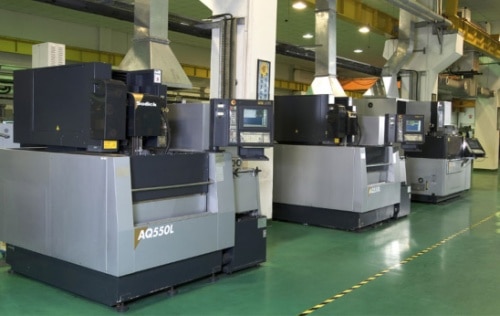
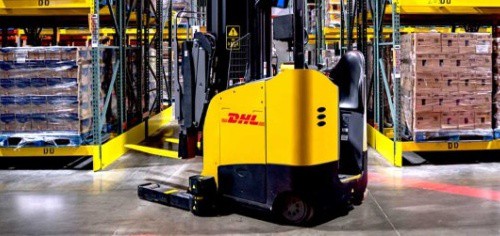
    In this short video, Chiarello talks about the importance of digital transformation in ensuring high quality passenger and business partner experience. “TIBCO offered a new approach, a platform to support vertical implementations and drive the future of our digital transformation. TIBCO technology is managing all airport information and its correlation to enable decision-making,” she concluded.

  • Malaysia’s Affin Hwang AM partners with TIBCO in digital transformation journey

    Malaysia’s Affin Hwang AM partners with TIBCO in digital transformation journey

    Malaysia’s fund management services provider Affin Hwang Asset Management Bhd has partnered with TIBCO Software in its digital transformation journey.

    The collaboration has led to the development of the company’s first AI-powered chatbot, called Nadia, that is able to respond to client queries on portfolios and account balances in real time.

    Melissa Ries, general manager, Asia Pacific and Japan, TIBCO, said that as financial firms like Affin Hwang AM in Malaysia and across Southeast Asia undertake digital transformations to stay ahead of the curve, cloud-native API platforms help them create, manage, and analyse APIs seamlessly with a single view of all on-premises, cloud, and edge APIs.

    “This visibility improves efficiency and aids the transformation from a hybrid architecture model with legacy tools and services to a cloud-native architecture over the long term,” she said.

    The collaboration between the two companies includes the Affin Hwang AM’s implementation of the TIBCO Connected Intelligence platform.

    API management platforms are essential to digital businesses adopting cloud-native development and deployment practices.

    “We are now taking steps to leverage the full capabilities of the API to instill deeper learning within Nadia and offer a more personalized service. These efforts bode well for our innovative initiatives to create value for our clients,” said Allen Woo, chief innovation officer, Affin Hwang AM.

    “By housing all workflow processes in a cloud-native infrastructure, we can drive better connectivity with our partners, especially as the world migrates towards an API environment. This will allow us to enlarge the ecosystem by ensuring collaboration happens across all platforms so that data can be exchanged quickly,” he added.

Subscribe