




Construction costs across Asia-Pacific are likely to remain persistently high, with tender price inflation forecast at 3.8% to 4.7% in 2027, according to JLL’s Global Construction Costs Index 2026. The pace is similar to North America’s forecast of 3.2% to 4.2% and faster than Europe’s 2.2% to 3.5%, reinforcing the region’s position as a high-cost development environment.
JLL attributes the pressure to geopolitical disruption affecting energy and construction-material supply chains, skilled-labour shortages, land scarcity in gateway cities, and rising demand for data centres and advanced manufacturing facilities. The firm says Asia-Pacific is particularly exposed to Middle East conflict because regional supply chains rely heavily on Middle Eastern energy supplies and trade hubs.

“Energy price volatility, transportation disruption and base materials costs all feed directly into regional tender prices,” said Shweta Choudhari, director, Work Dynamics Research, Asia Pacific, at JLL. “Increasingly, contractors are now pricing in geopolitical uncertainty as a permanent risk premium rather than a temporary measure.”
Construction inflation is also outpacing consumer inflation. In Australia, construction costs have risen about 1.5 times faster than CPI since 2021, while Singapore and Japan have seen construction inflation run 1.5 to 2 times ahead of general inflation. This gap means developers relying on CPI-based escalation assumptions may underestimate project costs and face mid-project re-underwriting.
Labour remains a structural constraint. Construction wages across key Asia-Pacific markets rose between 8% and 35% between 2020 and 2026, driven by demographic shifts, limited trade-training capacity and competition for skilled workers from data-centre and advanced-manufacturing projects.
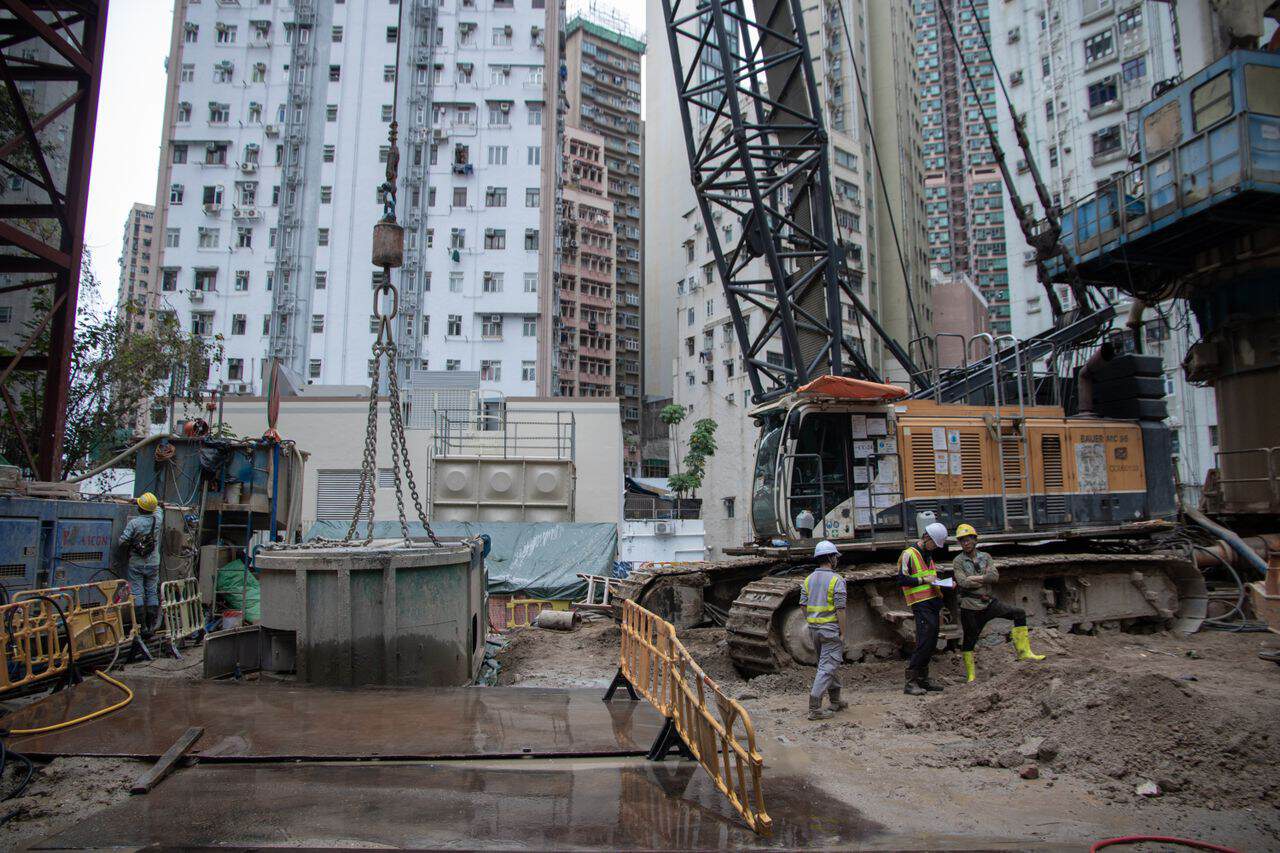
Hong Kong and Singapore face especially acute urban cost premiums. JLL says industrial and logistics construction costs in Hong Kong now approach or exceed US$2,500 per square metre—more than 60% above regional averages—while Singapore’s high-end costs hover above US$1,750 per square metre. Both exceed the global benchmark range of US$1,010 to US$1,560 per square metre.
These premiums are influencing capital allocation. JLL says developers are increasingly evaluating alternative regional locations or cross-border logistics networks rather than absorbing gateway-city cost structures, particularly for manufacturing, logistics and data-centre projects.

“A variety of factors, most noticeably geopolitical impact, is ensuring Asia Pacific developers are navigating an extremely challenging cost environment into 2027,” said Matt Bennion, head of Project and Development Services, Asia Pacific, at JLL. “Postponing projects in hopes of relief is no longer viable.”
JLL recommends continuous feasibility testing, risk-based procurement, premium asset selection and greater use of retrofits and repositioning where they can outperform new construction on cost, speed and carbon.